




Introduction
Water damage is one of the most frustrating and expensive problems any homeowner can face. A small leak may appear harmless at first, but over time it can weaken a building’s structure, damage flooring, encourage mold growth, and ruin valuable belongings. Many homeowners focus heavily on roofing systems, plumbing fixtures, and insulation, yet they often overlook one of the most important devices responsible for protecting the lower level of a property from water intrusion. That device is the sump pump. Understanding proper sump pump use is essential for maintaining a dry, safe, and healthy home environment throughout the year.
Understanding How a Sump Pump Works
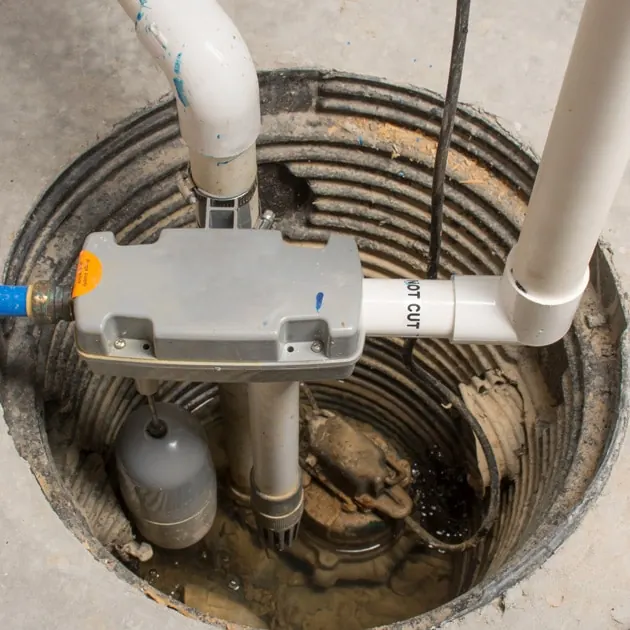
A sump pump is designed to remove accumulated water from a sump basin, usually found in basements or crawl spaces. When rainwater or groundwater begins to rise around a home’s foundation, the system automatically pumps the water away before flooding can occur. While the concept sounds simple, the role this equipment plays in home protection is extremely significant. Without an effective drainage and pumping system, even a moderate storm can lead to serious water damage that costs thousands of dollars to repair.
Many modern homes are built with sump pump systems already installed because builders understand the risks associated with moisture buildup near foundations. However, simply owning the device is not enough. Homeowners need to understand how it works, how to maintain it, and how to recognize warning signs before problems develop. Proper maintenance and responsible operation can greatly extend the lifespan of the system while reducing the possibility of sudden failure during severe weather conditions.
Why Basement Flooding Happens
One of the main reasons sump pumps are so important is that groundwater pressure naturally increases around a home during heavy rain. As the soil becomes saturated, water begins searching for weak points in the foundation. Tiny cracks that may normally remain dry can suddenly allow water to seep into the basement. Once water enters the lower level of a property, it can spread quickly across floors, soak drywall, damage insulation, and create ideal conditions for mold growth. A functioning sump pump helps prevent these situations by redirecting water away before it enters the living space.
Another major benefit of installing a quality sump pump system is the protection it provides for a home’s structural integrity. Constant exposure to moisture can weaken concrete foundations over time. When water repeatedly expands and contracts around foundation walls, small cracks can become larger structural issues. In colder seasons, freezing temperatures may worsen the problem as trapped water freezes and expands within foundation materials. This process can eventually lead to significant repair costs that far exceed the price of maintaining a sump pump properly.
Protecting Valuable Belongings and Living Spaces
Homeowners who have finished basements should be especially aware of the importance of water management systems. Finished basements often contain expensive flooring, furniture, electronics, entertainment systems, and personal belongings. Even a few inches of water can destroy carpeting, warp wooden furniture, and permanently damage appliances. Insurance coverage for basement flooding varies significantly depending on the cause of the damage and the specific policy terms. Because of this uncertainty, preventive protection through proper sump pump use becomes even more valuable for reducing financial risks.
Different Types of Sump Pumps
There are several different types of sump pumps available, and each serves a slightly different purpose. The two most common categories are pedestal pumps and submersible pumps. Pedestal pumps have motors positioned above the sump basin, making them easier to access for maintenance. They are generally less expensive and may last longer because the motor stays dry. However, they are usually noisier and more visible within the basement area.
Submersible pumps, on the other hand, are installed inside the sump basin beneath the water level. These systems operate more quietly and are often preferred for finished basements because they remain hidden from view.
Battery backup systems are another important feature that many homeowners choose to install alongside their primary sump pump. Severe storms often cause power outages at the exact moment the pump is needed most. Without electricity, a standard system cannot remove rising water. A backup battery system allows the pump to continue operating temporarily during outages, providing additional protection until power is restored.
The Importance of Regular Maintenance
Regular maintenance is essential for keeping a sump pump operating efficiently. Many people assume the system will continue working indefinitely without attention, but neglect is one of the leading causes of pump failure. Dirt, debris, and sediment can accumulate inside the sump basin over time, interfering with the float switch or clogging the discharge line. If the float switch becomes stuck, the pump may fail to activate when water levels rise. Testing the system periodically ensures that all components are functioning correctly before emergency situations occur.
A simple inspection every few months can help identify potential problems early. Homeowners should check the sump basin for debris, ensure the float moves freely, and confirm that the discharge pipe is directing water away from the foundation. Pouring a bucket of water into the basin is a common method for testing operation. The pump should activate automatically, remove the water quickly, and shut off properly once the basin is empty.
Seasonal Challenges and Weather Conditions
Seasonal weather changes also influence sump pump performance and maintenance needs. During rainy seasons or periods of snowmelt, systems may operate more frequently than usual. Increased usage places additional stress on motors and internal components. Homeowners should inspect their systems more carefully during these periods to ensure reliable operation. Cleaning the discharge line is particularly important because freezing temperatures or outdoor debris can create blockages that prevent water from exiting properly.
In recent years, changing climate conditions and unpredictable storms have increased awareness about flood prevention systems. Intense rainfall events are becoming more common in many regions, placing greater stress on residential drainage systems. Homes that previously experienced only minor moisture issues may now face higher flooding risks than in the past.
Energy Efficiency and Modern Technology
Energy efficiency is another factor worth considering when choosing or upgrading a sump pump system. Older models may consume more electricity while providing lower pumping capacity compared to newer units. Modern energy-efficient pumps are designed to remove water effectively while minimizing power consumption. Although higher-quality systems may involve greater upfront costs, they often reduce long-term expenses through lower utility bills and improved reliability.
Technological advancements have significantly improved modern sump pump systems in recent years. Smart monitoring features now allow homeowners to receive real-time alerts through mobile devices if water levels rise unexpectedly or if mechanical failures occur. Some systems can even track operational data and notify users when maintenance is required. These innovations provide added peace of mind, particularly for homeowners who travel frequently or own vacation properties that remain unattended for extended periods.
Choosing the Right Sump Pump
The size and pumping capacity of a sump pump should match the specific needs of the property. A system that is too small may struggle to handle heavy water flow during severe storms, while an oversized unit may cycle on and off too frequently, causing unnecessary wear. Factors such as basement size, soil conditions, water table levels, and climate patterns all influence the ideal pump selection.
Professional installation is generally recommended for new sump pump systems because proper placement and drainage design are critical for effectiveness. Incorrect installation can reduce efficiency or create additional drainage issues. Professionals evaluate foundation conditions, determine appropriate basin placement, and ensure discharge lines direct water safely away from the home.
Health Benefits of a Dry Basement
In addition to preventing flooding, sump pumps contribute to healthier indoor air quality. Excess moisture in basements creates ideal conditions for mold and mildew growth. Mold spores can spread through ventilation systems and negatively affect respiratory health, especially for individuals with allergies or asthma. By controlling moisture levels, sump pumps help create a drier environment that discourages mold development and improves overall indoor comfort.Homebuyers increasingly recognize the value of reliable water management systems when evaluating properties. A well-maintained basement with a functioning sump pump often creates a more favorable impression during inspections. Buyers understand that water damage can become a major financial burden, so evidence of preventive measures may enhance property appeal and resale value.
Warning Signs of Pump Failure
Understanding warning signs of sump pump failure can help homeowners respond before flooding occurs. Continuous running, irregular cycling, visible rust, strange odors, or failure to activate during testing are all indicators that the system may need repair or replacement. Ignoring these signs increases the likelihood of system breakdown during critical weather events.
The lifespan of a sump pump depends heavily on usage frequency, maintenance quality, and overall system design. On average, many pumps last between seven and ten years, although some may fail sooner if subjected to heavy workloads or poor maintenance conditions.
Additional Steps for Better Water Protection
While sump pumps provide excellent protection, they work best as part of a complete water management strategy. Gutters, downspouts, foundation sealing, and proper landscaping all contribute to reducing excess moisture around the home. Clean gutters help channel rainwater safely away from the structure, while properly extended downspouts prevent water accumulation near the foundation. Combining these measures with effective sump pump use creates multiple layers of protection against water damage.
Homeowners should also understand the importance of emergency preparedness related to basement flooding. Keeping valuable items elevated, storing important documents in waterproof containers, and knowing how to shut off electrical systems during flooding situations can reduce damage and improve safety.
Financial Benefits of Preventive Maintenance
Financially, sump pumps represent one of the most cost-effective investments for basement protection. Compared to the expenses associated with water extraction, mold remediation, foundation repair, and replacing damaged belongings, maintaining a reliable pump system is relatively affordable. Even modest flooding incidents can result in repair bills reaching thousands of dollars within a short period.
Many homeowners mistakenly believe sump pumps only matter during extreme storms, but groundwater issues can develop gradually over time. Persistent moisture around foundations may not cause immediate flooding, yet it can still damage building materials slowly and silently. This is why consistent sump pump use and regular inspections remain important even during relatively dry seasons.
Conclusion
Ultimately, a sump pump serves as one of the home’s most important defense mechanisms against water damage. Although often hidden in basements or utility areas, its role in protecting foundations, belongings, and indoor air quality cannot be overstated. Homeowners who prioritize maintenance, choose appropriate systems, and understand proper operating practices are far better prepared to handle changing weather conditions and groundwater challenges.
Reliable water management is not merely about convenience; it is about preserving the safety, stability, and value of a property over time. Whether protecting a finished basement, preventing mold growth, or safeguarding structural integrity, proper sump pump use remains an essential part of responsible homeownership. By investing in quality equipment, performing regular inspections, and addressing issues early, homeowners can enjoy greater peace of mind knowing their homes are better protected against one of the most damaging forces any property can face: unwanted water intrusion through poor sump pump use management and neglected drainage systems.