




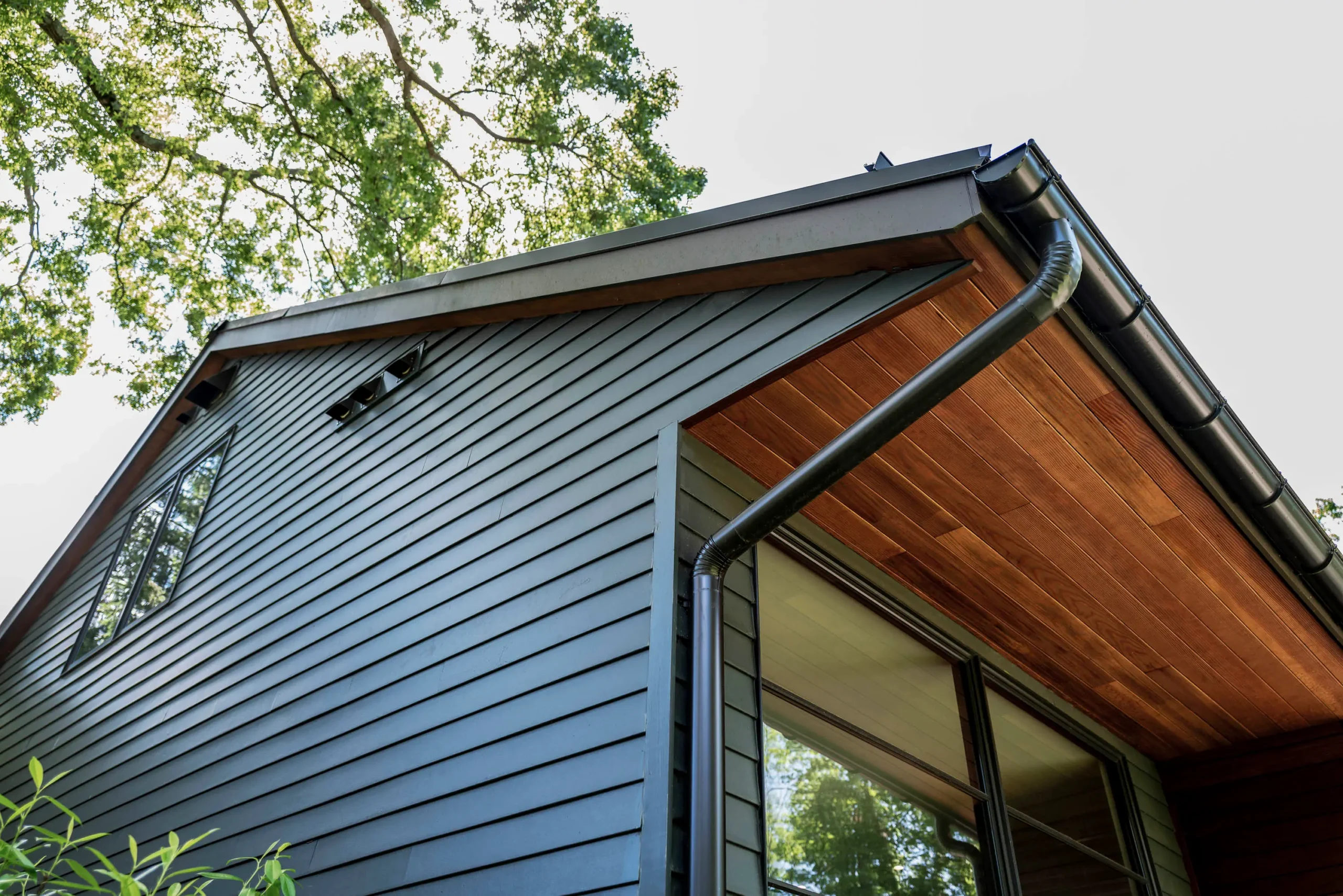
A home’s exterior plays a major role in both appearance and protection. While roofing, windows, and landscaping often receive the most attention, siding is one of the most important components of any residential structure. It acts as a protective barrier against harsh weather, moisture, pests, and temperature fluctuations while also defining the visual character of the property. Over time, however, siding begins to wear down due to exposure to sunlight, rain, snow, humidity, and changing temperatures. When this happens, homeowners often notice fading colors, cracks, warping, mold growth, or rising energy costs. These are clear indicators that it may be time to consider siding replacement.
Replacing old siding is not simply a cosmetic improvement. It is a long-term investment that improves durability, energy efficiency, comfort, and property value. Modern siding materials are designed to withstand years of environmental exposure while requiring far less maintenance than older products. In addition, new siding technologies offer enhanced insulation and weather resistance, helping homeowners reduce heating and cooling expenses throughout the year. Choosing the right materials and installation approach can dramatically improve the lifespan and performance of a home’s exterior.
Many homeowners delay exterior renovations because they believe the process is complicated or overly expensive. However, postponing necessary repairs can actually lead to greater structural damage over time. Moisture infiltration behind damaged panels can cause wood rot, mold growth, and insulation deterioration. Once the underlying structure becomes compromised, repair costs increase significantly. This is why understanding the importance of timely exterior upgrades is essential for maintaining the safety and value of a property.
Understanding the Purpose of Exterior Siding
Siding serves several critical purposes beyond improving curb appeal. Its primary role is to shield the home from environmental damage. Rainwater, wind, ice, and UV rays constantly impact exterior surfaces, and siding creates a protective layer that prevents these elements from penetrating the structure. Without reliable siding, moisture can seep into walls and insulation, leading to decay and expensive interior repairs.
Another important function of siding is thermal insulation. Properly installed siding helps regulate indoor temperatures by reducing heat transfer. This means homes stay cooler during warm seasons and warmer during colder months. Modern insulated siding options can significantly improve energy efficiency, reducing strain on HVAC systems and lowering utility bills over time.
Siding also contributes to noise reduction. Certain materials provide an additional sound barrier that minimizes outside disturbances, creating a quieter and more comfortable indoor environment. This feature is particularly valuable in busy residential areas where traffic or neighborhood noise may be an issue.
In addition to protection and insulation, siding influences the overall visual identity of a home. The texture, color, and style selected can dramatically alter the appearance of a property. Whether homeowners prefer a traditional, modern, rustic, or contemporary aesthetic, siding options are available to match virtually every architectural design.
Common Signs That Your Home Needs New Siding
Many homeowners fail to recognize the early warning signs of siding deterioration. Visible damage is often the most obvious indicator, but there are several subtle issues that may suggest deeper structural concerns. Cracked, warped, or loose panels typically signal that the material has weakened due to age or weather exposure. Once siding begins to separate from the wall, moisture can enter and cause hidden damage underneath.
Fading color is another common sign of aging siding. While slight discoloration may occur naturally over time, excessive fading usually indicates that the protective coating has deteriorated. When this happens, the material becomes more vulnerable to weather-related damage.
Mold, mildew, and fungus growth can also indicate trapped moisture behind siding panels. If left untreated, this can spread into the home’s interior walls and insulation. Homeowners should pay close attention to bubbling paint, peeling wallpaper, or unexplained moisture stains inside the house, as these issues may originate from exterior siding problems.
Increasing energy bills may also suggest inadequate insulation caused by deteriorating siding. Older materials often lose their thermal resistance over time, allowing air leaks that force heating and cooling systems to work harder. In many cases, homeowners notice improved indoor comfort and reduced energy consumption after completing a professional siding replacement project.
Frequent maintenance requirements are another indicator that replacement may be more cost-effective than continual repairs. If homeowners find themselves repeatedly painting, patching, or repairing exterior sections, investing in new siding may ultimately save both time and money.
Exploring Different Siding Material Options
Modern siding materials offer a wide range of benefits, styles, and price points. Understanding the characteristics of each option helps homeowners make informed decisions based on budget, maintenance preferences, and design goals.
Vinyl siding remains one of the most popular choices because of its affordability and low maintenance requirements. It resists moisture, insects, and fading while offering numerous color and texture variations. Vinyl does not require regular painting, making it an attractive option for homeowners seeking convenience and long-term durability.
Fiber cement siding has gained popularity due to its exceptional strength and resistance to fire, pests, and harsh weather conditions. It can replicate the appearance of natural wood while offering superior longevity and minimal maintenance. Although fiber cement tends to cost more initially, its durability often justifies the investment over time.
Wood siding provides a classic and timeless appearance that many homeowners appreciate. Cedar and redwood are particularly valued for their natural beauty and resistance to insects. However, wood requires regular sealing, staining, or painting to protect against moisture and decay. Homeowners who prioritize aesthetics and are willing to commit to ongoing maintenance often find wood siding highly rewarding.
Engineered wood siding offers the appearance of traditional wood with improved resistance to moisture and insects. It is manufactured using treated wood fibers and resins, creating a product that balances beauty and durability.
Metal siding, including aluminum and steel, provides exceptional strength and weather resistance. It is commonly used in modern architectural designs and can last for decades with minimal upkeep. Metal siding also offers strong fire resistance, making it a practical choice in areas prone to extreme heat or dry conditions.Stone veneer and brick siding are premium options known for their luxurious appearance and long lifespan. Although installation costs can be higher, these materials deliver remarkable durability and aesthetic value that can significantly increase property appeal.
The Financial Benefits of Replacing Old Siding
Many homeowners initially focus on the upfront cost of exterior renovations without fully considering the long-term financial benefits. High-quality siding upgrades often provide substantial returns on investment through increased property value, lower maintenance expenses, and improved energy efficiency.
Potential buyers pay close attention to exterior appearance when evaluating homes. Fresh, modern siding immediately creates a positive first impression and enhances curb appeal. Properties with updated exteriors are often perceived as better maintained overall, which can positively influence resale value and buyer confidence.
Energy savings represent another major financial advantage. Insulated siding systems help reduce air leakage and improve thermal performance, lowering heating and cooling costs throughout the year. Over time, these savings can offset a significant portion of the installation expense.
Reduced maintenance costs also contribute to long-term value. Older siding materials frequently require painting, sealing, and repairs, which accumulate over the years. Modern materials are engineered for durability and weather resistance, minimizing the need for ongoing upkeep.
Insurance companies may also view upgraded exteriors favorably, especially when materials offer improved fire or storm resistance. In some cases, homeowners may qualify for lower insurance premiums after completing a siding replacement project using high-performance materials.
How Professional Installation Impacts Results
Even the highest-quality siding materials can fail prematurely if installed incorrectly. Professional installation ensures proper alignment, moisture protection, insulation integration, and ventilation. Experienced contractors understand how to prepare surfaces, identify hidden structural issues, and apply weather barriers that enhance long-term performance.
Incorrect installation can lead to gaps, warping, trapped moisture, and reduced energy efficiency. These issues may not become immediately visible, but they can cause significant structural damage over time. Hiring skilled professionals helps prevent costly future repairs and ensures compliance with manufacturer warranty requirements.
Professional installers also provide valuable guidance regarding material selection, color coordination, and maintenance expectations. Their expertise helps homeowners choose products that align with climate conditions, architectural style, and long-term performance goals.In addition, professional contractors possess specialized tools and safety equipment necessary for efficient installation. Exterior renovation work often involves heights, heavy materials, and detailed measurements that require technical precision. Attempting complex siding projects without proper experience can lead to safety risks and unsatisfactory results.
The Role of Siding in Energy Efficiency
Energy efficiency has become an increasingly important consideration for homeowners seeking to reduce utility costs and environmental impact. Siding contributes significantly to a home’s thermal performance by helping regulate indoor temperatures and minimizing air infiltration.
Insulated siding systems incorporate foam backing or additional thermal layers that improve resistance to heat transfer. This added insulation helps stabilize indoor temperatures, reducing reliance on heating and cooling systems. Homes with upgraded siding often experience fewer drafts and more consistent comfort levels throughout different seasons.
Proper moisture control also plays a critical role in energy efficiency. Wet insulation loses effectiveness and can contribute to mold growth and structural damage. Modern siding systems include moisture barriers and ventilation features designed to protect the building envelope and preserve insulation performance.In addition to reducing energy consumption, efficient siding can contribute to a more sustainable lifestyle. Lower energy usage decreases greenhouse gas emissions associated with heating and cooling systems, making environmentally conscious exterior upgrades increasingly appealing to homeowners.
Choosing the Right Style and Color
Selecting the ideal siding style and color requires careful consideration of architectural design, neighborhood aesthetics, and personal preference. The right combination can completely transform a property’s appearance and create a cohesive exterior design.
Neutral tones remain popular because they provide timeless appeal and flexibility for future landscaping or exterior updates. Shades such as gray, beige, cream, and soft blue complement a wide range of architectural styles while maintaining broad buyer appeal.
Bold colors, however, are becoming increasingly common among homeowners seeking a distinctive and modern appearance. Deep greens, navy blues, charcoal tones, and even black siding options can create striking visual impact when balanced with appropriate trim and accents.Texture selection also influences overall appearance. Smooth finishes offer a clean and contemporary aesthetic, while wood-grain textures create warmth and traditional charm. Vertical panels, shake-style siding, and board-and-batten designs can add visual depth and architectural character.
Homeowners should also consider long-term maintenance when selecting colors. Lighter shades may conceal dust and fading more effectively, while darker colors can absorb more heat and potentially show wear differently over time.
Long-Term Maintenance Tips for New Siding
Although modern siding materials are designed for durability, regular maintenance remains important for maximizing lifespan and preserving appearance. Simple preventative care can help homeowners avoid unnecessary repairs and maintain long-term performance.
Routine cleaning removes dirt, mildew, and debris that can accumulate on exterior surfaces. Most siding materials can be cleaned using mild soap, water, and a soft brush or low-pressure washer. Harsh chemicals and excessive pressure should be avoided, as they may damage protective coatings.
Annual inspections help identify early signs of wear or damage before they become serious problems. Homeowners should check for loose panels, cracked caulking, moisture buildup, and insect activity around exterior surfaces.
Maintaining gutters and downspouts is equally important. Overflowing water can damage siding and contribute to moisture infiltration around the foundation and walls. Proper drainage helps protect the integrity of both siding and structural components.
Trees and shrubs should also be trimmed away from exterior walls to prevent scratches, moisture retention, and pest access. Good airflow around the home supports faster drying and reduces the likelihood of mold or mildew growth.
Final Thoughts on Exterior Upgrades
Delaying necessary upgrades can lead to costly structural issues and reduced efficiency over time. Recognizing early warning signs and investing in professional solutions allows homeowners to preserve their property while avoiding more extensive future repairs. Whether the goal is to modernize appearance, improve insulation, or increase resale value, investing in siding replacement can provide lasting advantages for years to come.A well-maintained exterior is essential for protecting a home, improving comfort, and enhancing long-term property value. While many homeowners focus primarily on interior renovations, exterior improvements often deliver equally significant benefits. High-quality siding protects against weather damage, increases energy efficiency, reduces maintenance demands, and dramatically improves visual appeal.
Modern siding materials offer exceptional durability, design flexibility, and energy performance, making them a practical and valuable home improvement choice. With thoughtful planning, quality materials, and professional installation, homeowners can enjoy a safer, more efficient, and visually appealing property that stands strong against the elements while maintaining its beauty for decades.