




Introduction to Modern Air Conditioning Systems
Air conditioning systems have become an essential part of modern homes, offices, commercial buildings, and industrial facilities. In regions where temperatures rise significantly during summer, air conditioning is no longer considered a luxury but a necessity for maintaining indoor comfort and productivity. Whether in residential spaces or large commercial environments, properly functioning cooling systems help regulate temperature, improve air quality, and create a more comfortable atmosphere for daily activities.
However, the performance and efficiency of an air conditioning system depend heavily on proper setup and configuration. Even the most advanced cooling unit can fail to perform effectively if it is not installed correctly. This is why professional ac installation plays such a critical role in ensuring long-term system reliability, energy efficiency, and indoor comfort.
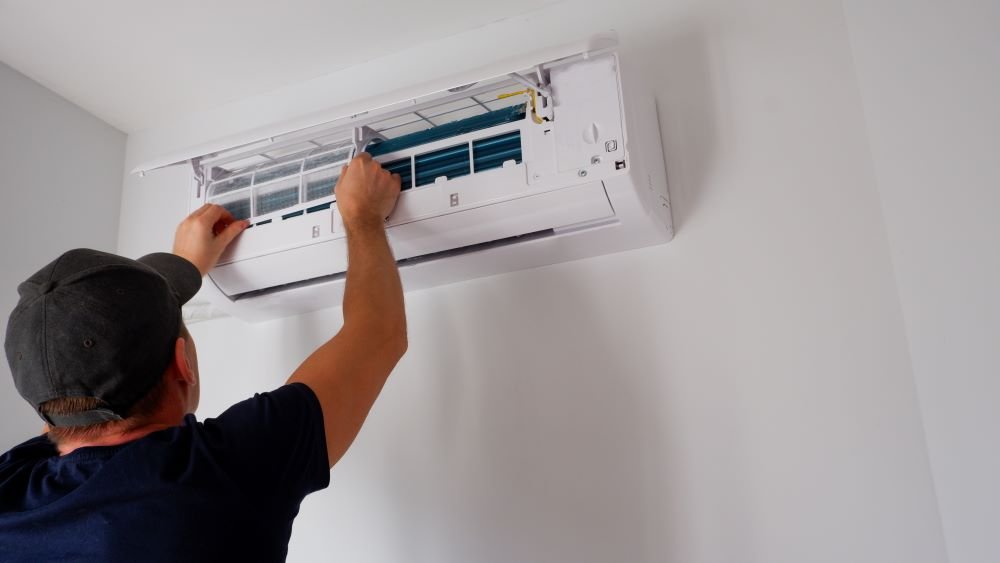
Installing an air conditioning system involves much more than simply placing a unit inside a building. It requires careful planning, proper sizing, electrical setup, refrigerant handling, and airflow management. A professionally installed system operates more efficiently, lasts longer, and experiences fewer mechanical issues over time.
Understanding the Importance of Proper AC Installation
Many people underestimate the importance of proper air conditioner installation and focus only on purchasing the right brand or model. While selecting quality equipment is important, installation quality has an equally significant impact on system performance.
Improper ac installation can lead to multiple problems such as uneven cooling, increased energy bills, refrigerant leaks, airflow restrictions, and frequent system breakdowns. In some cases, poor installation can even shorten the lifespan of the unit and create safety risks.Professional installation ensures that every component of the air conditioning system is connected correctly and calibrated according to manufacturer specifications. This allows the system to operate smoothly and maintain optimal cooling performance under different environmental conditions.
Types of Air Conditioning Systems
There are several types of air conditioning systems available, each designed for different environments and cooling requirements. Split air conditioners are among the most common systems used in homes and small offices. They consist of an indoor unit and an outdoor compressor connected through refrigerant lines.
Central air conditioning systems are commonly used in larger buildings and provide cooling through ductwork connected to multiple rooms. Portable air conditioners offer temporary cooling solutions for smaller spaces, while ductless mini-split systems are ideal for areas without existing duct infrastructure.Commercial buildings may also use packaged HVAC systems or variable refrigerant flow systems for large-scale cooling operations. Proper ac installation is essential regardless of system type because each setup requires specific technical procedures and configuration standards.
The Role of Proper System Sizing
One of the most important aspects of installing an air conditioning system is selecting the correct unit size. Many people assume that larger units provide better cooling, but oversized systems can actually reduce efficiency and create operational problems.
An oversized unit cools a room too quickly without properly removing humidity from the air. This can result in uncomfortable indoor conditions and increased energy consumption. On the other hand, an undersized unit may struggle to maintain the desired temperature and operate continuously, causing excessive wear and higher electricity costs.Professional technicians calculate cooling requirements based on room size, insulation quality, sunlight exposure, occupancy levels, and ventilation conditions. Accurate sizing during ac installation ensures balanced cooling, better energy efficiency, and longer system lifespan.
Importance of Correct Placement
The placement of both indoor and outdoor units significantly affects air conditioner performance. Indoor units should be installed in locations that allow proper airflow and even distribution of cool air throughout the room.
Outdoor units require adequate ventilation to release heat efficiently. Placing them in confined or poorly ventilated areas can reduce cooling efficiency and strain the compressor. Additionally, exposure to direct sunlight or excessive dust can negatively affect performance over time.Professional installers carefully evaluate the environment before completing ac installation to ensure that units are positioned for maximum efficiency and accessibility.
Electrical Safety and System Compatibility
Air conditioning systems require proper electrical connections to operate safely and efficiently. Incorrect wiring or overloaded circuits can lead to power failures, electrical hazards, or damage to the equipment.
Professional technicians ensure that the electrical infrastructure can support the system’s power requirements. This includes installing dedicated circuits, proper grounding, and compatible breakers to prevent overheating or electrical malfunctions.During ac installation, professionals also test voltage levels and ensure that all electrical connections comply with safety standards. Proper electrical setup protects both the equipment and building occupants from potential risks.Refrigerant is the substance responsible for absorbing and releasing heat within an air conditioning system. Proper refrigerant levels are essential for efficient cooling performance. Too much or too little refrigerant can reduce efficiency and damage system components.
Handling refrigerants requires technical expertise because improper charging or leakage can negatively impact both system performance and the environment. Certified technicians use specialized tools to measure pressure levels and ensure accurate refrigerant charging during installation.Professional ac installation helps maintain optimal cooling efficiency while preventing issues such as compressor damage, freezing coils, and uneven cooling.
Airflow Management and Ductwork Efficiency
Airflow is another critical factor that determines the effectiveness of an air conditioning system. Poor airflow can reduce cooling performance, increase energy usage, and create uneven temperature distribution throughout a building.
In central air conditioning systems, ductwork design and sealing are especially important. Leaky or poorly designed ducts can waste cooled air and force the system to work harder than necessary.
Professional installers ensure that vents, ducts, and airflow pathways are properly configured during ac installation. This improves overall cooling efficiency and helps maintain consistent indoor temperatures.One of the biggest advantages of professional air conditioning installation is improved energy efficiency. Properly installed systems operate more smoothly and require less energy to maintain desired temperatures.
Modern air conditioners are designed with advanced energy-saving technologies, but these features can only perform effectively when the system is installed correctly. Improper installation can increase power consumption and reduce the overall efficiency rating of the unit.Efficient ac installation not only reduces electricity bills but also minimizes environmental impact by lowering energy consumption and greenhouse gas emissions.
Improving Indoor Air Quality
Air conditioning systems do more than just cool indoor spaces. They also help filter dust, allergens, and airborne particles, contributing to better indoor air quality.
Incorrect installation can lead to moisture buildup, poor ventilation, and air leakage, which may promote mold growth and reduce air quality. Properly installed systems maintain balanced airflow and humidity levels, creating healthier indoor environments.Professional technicians ensure that filters, ventilation systems, and drainage lines are configured correctly during installation. This helps maintain clean and comfortable indoor air conditions.
Preventing Future Repairs and Maintenance Issues
Poor installation is one of the leading causes of air conditioning problems. Incorrect refrigerant levels, loose electrical connections, improper drainage, and airflow restrictions can all lead to frequent repairs and operational failures.
Investing in professional ac installation reduces the likelihood of these issues and helps ensure long-term system reliability. A properly installed system experiences less strain during operation, which minimizes wear and extends equipment lifespan.This proactive approach saves money over time by reducing maintenance expenses and preventing major breakdowns.
Smart Technology and Modern AC Systems
Modern air conditioning systems increasingly include smart features such as programmable thermostats, remote monitoring, and energy management systems. These technologies improve user convenience and help optimize cooling efficiency.
Professional installation ensures that these advanced features are configured correctly and integrated with home or building automation systems. Technicians can also guide users on how to maximize the benefits of smart cooling technology.As technology continues to evolve, professional ac installation becomes even more important for ensuring compatibility and proper system integration.
Environmental Considerations in Air Conditioning Installation
Environmental sustainability has become an important factor in modern cooling systems. Many newer air conditioners use eco-friendly refrigerants and energy-efficient compressors designed to reduce environmental impact.Proper installation helps these systems operate efficiently and minimizes refrigerant leakage, which can contribute to environmental damage. Energy-efficient systems also reduce electricity consumption, supporting broader sustainability goals.Businesses and homeowners who prioritize efficient installation contribute to lower energy usage and improved environmental responsibility.
Air conditioning installation requires technical expertise, specialized tools, and knowledge of safety standards. Attempting DIY installation can lead to serious issues such as electrical hazards, refrigerant leaks, and equipment damage.Professional technicians understand manufacturer requirements, system design principles, and local safety regulations. They ensure that every aspect of the installation process is completed correctly and safely.Hiring qualified experts for ac installation provides peace of mind and ensures that the system performs reliably for years to come.
Conclusion: Why Proper AC Installation Matters
Air conditioning systems are essential for maintaining comfort, productivity, and healthy indoor environments. However, even the best cooling equipment cannot perform efficiently without proper installation.
Professional ac installation ensures correct sizing, safe electrical connections, balanced airflow, and optimal refrigerant levels. It improves energy efficiency, reduces operational costs, enhances indoor air quality, and extends system lifespan.
As demand for reliable cooling solutions continues to grow, investing in quality installation services becomes increasingly important. Businesses and homeowners who prioritize professional installation benefit from long-term comfort, lower maintenance costs, and dependable system performance.Ultimately, proper installation is the foundation of an efficient and reliable air conditioning system. A carefully installed unit not only delivers better cooling but also supports energy savings, environmental responsibility, and long-term operational efficiency.