




Introduction
A properly functioning sprinkler system is essential for maintaining healthy landscapes, lawns, and gardens. When everything works correctly, it delivers water evenly and efficiently, helping plants thrive while conserving resources. However, when leaks occur, the system quickly becomes inefficient, leading to water waste, higher utility bills, and potential damage to soil and plants. Understanding sprinkler leak repair is crucial for homeowners and property managers who want to maintain an effective irrigation system and avoid long-term problems.
Understanding How Sprinkler Systems Work
A sprinkler system is designed to distribute water through a network of pipes, valves, and sprinkler heads. Water flows from a main supply line through underground piping and is released through sprinkler heads at controlled intervals. The system is usually divided into zones, each managed by a controller that regulates timing and water distribution.
When all components are functioning correctly, the system delivers consistent coverage. However, because much of the system is underground and exposed to pressure changes, leaks can develop over time. These leaks may be visible on the surface or hidden beneath the soil, making detection more challenging.
Common Signs of a Sprinkler Leak
Identifying a leak early can prevent serious damage and water waste. One of the most obvious signs is unusually wet or soggy areas in the lawn, especially when the system has not recently been running. These wet patches often indicate underground pipe leakage.
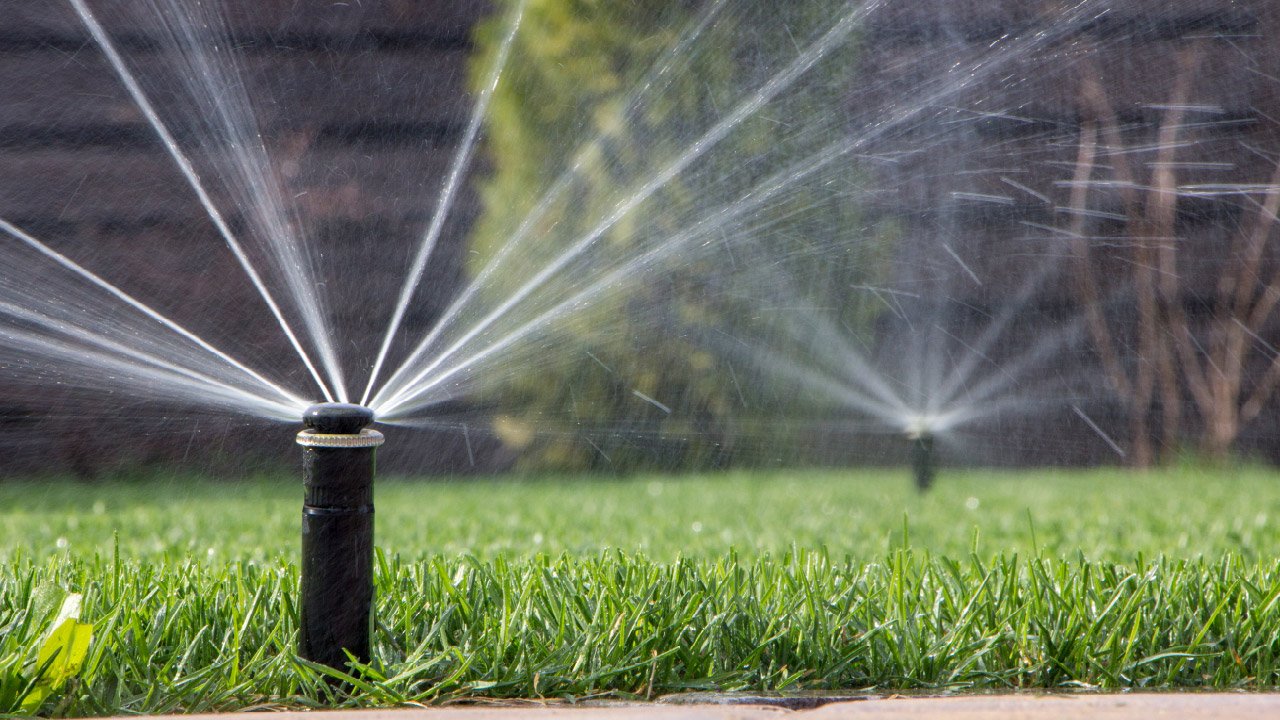
Another common sign is a noticeable drop in water pressure. If sprinkler heads are not spraying as far or evenly as before, it may indicate a leak somewhere in the system. Increased water bills without a clear reason can also be a strong indicator of hidden leakage.Sprinkler heads that spray unevenly, produce mist instead of steady streams, or fail to pop up correctly may also signal system issues. In some cases, visible pooling around sprinkler heads or cracks in the pipes can confirm the presence of a leak.
Causes of Sprinkler Leaks
Sprinkler system leaks can occur for several reasons. One of the most common causes is physical damage to pipes, often due to soil movement, tree root growth, or accidental digging. Over time, shifting soil can place pressure on underground pipes, leading to cracks or breaks.
Freezing temperatures can also cause pipes to expand and crack if they are not properly winterized. Poor installation or the use of low-quality materials can further increase the likelihood of leaks developing over time.Clogged or damaged sprinkler heads may also contribute to leakage issues. When debris blocks the nozzle or internal components become worn, water may flow incorrectly or escape from unintended areas.
Detecting the Source of the Leak
Locating a sprinkler leak requires a systematic approach. The first step is to run the system and observe each zone carefully. Look for visible signs such as pooling water, uneven spray patterns, or unusually wet soil.
If the leak is not immediately visible, it may be necessary to inspect the system manually. This involves checking sprinkler heads, valves, and exposed pipe sections for cracks or loose connections. In some cases, turning off one zone at a time can help narrow down the affected area.For underground leaks, careful digging may be required to expose the damaged section of pipe. This should be done cautiously to avoid causing further damage to the system.
Sprinkler Leak Repair Process
Once the source of the leak is identified, the repair process can begin. The method used will depend on the type and severity of the damage.
If a sprinkler head is damaged, it can often be replaced easily by unscrewing the faulty unit and installing a new one. This is one of the simplest and most common repairs.
For damaged pipes, the affected section may need to be cut out and replaced with a new piece of piping. Couplings are used to connect the new section securely to the existing system, ensuring a watertight seal.Valve leaks require more detailed attention. If a valve is leaking, it may need to be cleaned, resealed, or replaced entirely depending on the level of wear or damage.
After repairs are completed, the system should be tested thoroughly to ensure proper water flow and pressure across all zones.Some sprinkler leak repairs can be handled by homeowners, especially when the issue involves sprinkler heads or easily accessible components. Basic tools and replacement parts are often sufficient for minor fixes.However, more complex issues such as underground pipe damage, multiple leaks, or electrical problems within the control system may require professional assistance. Attempting advanced repairs without proper knowledge can lead to further damage or inefficient system performance.Knowing when to call a professional ensures that the system is repaired correctly and continues to operate efficiently.
Preventing Future Sprinkler Leaks
Preventive maintenance is key to avoiding frequent repairs. Regular inspection of the system helps identify early signs of wear or damage before they develop into major issues.
Cleaning sprinkler heads, checking for clogged nozzles, and ensuring proper alignment can significantly improve system performance. Seasonal maintenance, especially before winter, helps protect pipes from freezing and cracking.Avoiding unnecessary digging or heavy equipment near sprinkler lines also reduces the risk of accidental damage. Proper system design and installation are equally important in preventing long-term issues.
Water Efficiency and Cost Impact
A leaking sprinkler system can waste a significant amount of water over time. Even a small leak can lead to continuous water loss, which increases utility bills and strains local water resources.
Repairing leaks promptly helps maintain efficient water usage and ensures that plants receive the correct amount of irrigation. A well-maintained system not only saves money but also supports environmental sustainability by reducing water waste.
One of the most common mistakes is ignoring small leaks, assuming they are not serious. Even minor leaks can worsen over time and lead to costly repairs. Another mistake is delaying repairs, which allows water damage to spread underground and affect larger sections of the system.Using incorrect replacement parts or failing to properly seal connections can also lead to recurring leaks. Additionally, improper winterization can cause significant damage in colder climates, leading to cracked pipes and system failure.
Long-Term Benefits of Proper Maintenance
Maintaining a sprinkler system properly ensures consistent performance and long-term reliability. Regular inspections and timely repairs extend the lifespan of the system and reduce the need for costly replacements.
A well-maintained system provides even water distribution, healthier plants, and improved landscape appearance. It also helps conserve water and reduce overall maintenance costs.By addressing issues early and maintaining the system regularly, property owners can enjoy efficient irrigation without frequent disruptions.
Conclusion
Sprinkler leak repair is an essential part of maintaining an efficient and reliable irrigation system. Understanding the causes, recognizing the signs, and addressing issues promptly can prevent water waste and costly damage.
Whether handling minor repairs or seeking professional assistance for more complex problems, timely action ensures that the system continues to operate effectively. With regular maintenance and careful monitoring, sprinkler systems can provide long-lasting performance, supporting healthy landscapes and efficient water use for years to come.