





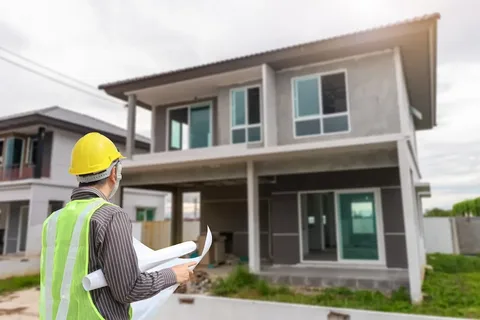
Every year, homeowners across London lose thousands of pounds on building projects that go sideways. Cracked walls, sagging beams, foundations that weren’t deep enough. Most of these problems come down to one missing step. Nobody called a structural engineer before the work began.
A structural engineer is the person who makes sure your home stays standing during and after construction. Whether you’re removing a load bearing wall, building an extension, or converting a loft, their calculations keep everything safe. Skip this step and you’re taking a serious risk with your property. At Extension Architecture, we work with structural engineers on nearly every residential project across London. This guide explains when you need one, how to find the right person, and the expensive mistakes you can avoid with proper engineering input.
When Do You Actually Need One
Not every home improvement project requires a structural engineer. Replacing a kitchen or painting walls, obviously not. But the moment you change the structure of your building, their involvement becomes essential.
Common situations include removing a load bearing wall, building a single storey or double storey extension, converting a loft or basement, fixing subsidence or cracking, and installing larger openings for new windows or doors. Building control will almost always request structural calculations before approving this type of work. And most decent builders wont start without them. So even if you think you can manage without, the system usually won’t let you.
What They Actually Do on Your Project
A structural engineer works out how forces travel through your building. Where the weight sits, how loads reach the ground, and what changes when you alter something. They design the steel beams, specify foundation depths, and determine what materials you need in each part of the structure.
They produce detailed calculations and drawings that your builder follows on site. These also go to building control for sign off. Without that approval, you could face serious problems when you eventually sell your home. Most buyers and solicitors will ask for completion certificates, and missing paperwork can stall or even collapse a sale.
They also carry out site inspections during construction. Having someone check the steelwork before it gets hidden behind plasterboard can save you from defects that only show up years later. This is a step many homeowners forget about, but its one of the most important parts of the whole process.
How to Find a Good One Near You
Searching online for a structural engineer near you is simple. But finding someone who actually delivers quality work takes a bit more thought and effort.
Check their qualifications first. Look for membership with the Institution of Structural Engineers or the Institution of Civil Engineers. These are the main professional bodies in the UK, and membership shows the engineer has met recognised standards of competence and experience.
Ask your architect for a recommendation. Most architects have engineers they work with regularly, and that existing relationship speeds things up. When your architect and engineer already communicate well, fewer details get missed along the way. It also means the drawings and calculations are more likely to align properly from the start.
Get two or three quotes before committing. Residential structural engineering fees in London usually sit between £800 and £2,500 depending on complexity. Don’t just pick the cheapest option though. Check what’s included. Does the fee cover site inspections? Are revisions part of the package if the design shifts during the project?
Expensive Mistakes That Proper Engineering Prevents
Undersized steelwork is one of the most common problems we come across. A builder installs a beam that’s too small for the span, the ceiling starts to dip, and suddenly you’re facing remedial work that costs thousands. A structural engineer prevents this by calculating the exact requirements before anyone picks up a tool.
Foundation design is another area where things go wrong frequently. London has varied ground conditions. Heavy clay in the south, gravel patches in other areas, made ground near the Thames. What works in one borough might fail completely in another. An engineer assesses the soil and designs foundations to suit your specific plot.
Party wall issues also crop up more often than people expect. If your project involves work near a shared boundary wall, getting the structural details wrong can lead to damage, disputes, and legal costs that nobody budgeted for. Proper engineering keeps you on the right side of all that.
Making Your Project Team Work Together
The best results happen when your architect, structural engineer, and builder collaborate from the start. Your architect handles the design and planning. The structural engineer ensures its safe and buildable. And the builder delivers the work based on both sets of drawings.
If you want to make this coordination easier, consider working with a practice that offers end to end project management. At Extension Architecture, our team of architects near me coordinate with engineers and contractors so you don’t have to chase multiple firms yourself. One team managing everything cuts down on miscommunication and keeps timelines realistic.
Get Them Involved Early
If you’re planning any kind of structural work, bring an engineer in at the beginning. Don’t wait until you’ve already got a builder booked and a start date locked in. The earlier they look at your project, the fewer surprises you’ll deal with later.
Even a short initial consultation can tell you whether your plans are straightforward or more complex then you first thought. You’ll get clarity on costs, approvals, and timescales. And that clarity is what stops small oversights from becoming very expensive problems down the road.