


Residential home maintenance is the ongoing process of inspecting, repairing, and caring for a home to ensure it remains safe, functional, and visually appealing. Every house, regardless of size or design, requires regular upkeep to prevent small issues from becoming major and costly problems. Proper maintenance not only protects the structure of a home but also improves comfort, efficiency, and long-term property value.
A well-maintained home operates more efficiently, lasts longer, and provides a healthier living environment. Ignoring routine maintenance can lead to structural damage, system failures, and expensive repairs that could have been avoided with regular care.
Importance of Regular Home Maintenance
The primary purpose of residential home maintenance is to preserve the condition of a property over time. Homes are constantly exposed to environmental factors such as weather, temperature changes, moisture, and daily wear. Without proper care, these factors gradually weaken building materials and systems.Regular maintenance helps identify potential problems early, such as leaks, cracks, or electrical issues. Addressing these issues at an early stage prevents further damage and reduces repair costs.In addition, consistent maintenance enhances property value. A well-maintained home is more attractive to buyers and often sells faster and at a higher price.
Key Areas of Home Maintenance
Home maintenance involves multiple systems and components that must be checked regularly.
The roof is one of the most important parts of a home. It should be inspected for damaged shingles, leaks, and debris buildup to prevent water damage.
The plumbing system requires regular checks for leaks, pipe corrosion, and proper water pressure. Small leaks can lead to major damage if not addressed quickly.
The electrical system should be inspected to ensure safe wiring, functioning outlets, and proper circuit operation.
The HVAC system (heating, ventilation, and air conditioning) needs regular servicing to maintain efficiency and indoor air quality.Walls, floors, windows, and doors also require attention to ensure proper insulation, sealing, and structural integrity.
Seasonal Home Maintenance Tasks
Home maintenance tasks often vary depending on the season.In spring, homeowners typically inspect roofs, clean gutters, and check for damage caused by winter conditions. This is also a good time to service HVAC systems before summer.Summer maintenance focuses on exterior work such as painting, landscaping, and checking outdoor structures.In autumn, gutters should be cleaned, heating systems inspected, and insulation checked to prepare for colder weather.Winter maintenance involves monitoring heating systems, preventing frozen pipes, and ensuring proper ventilation.Following a seasonal maintenance schedule helps keep the home in good condition throughout the year.
Preventive Maintenance Strategies
Preventive maintenance is one of the most effective ways to reduce long-term repair costs. It involves regular inspections and minor repairs before problems become serious.For example, sealing small cracks in walls or foundations prevents water from entering and causing structural damage. Cleaning gutters regularly prevents water overflow and roof damage.Replacing worn-out seals around windows and doors improves energy efficiency and reduces utility costs.Preventive care ensures that all systems and components of the home function properly and last longer.
Tools and Equipment for Home Maintenance
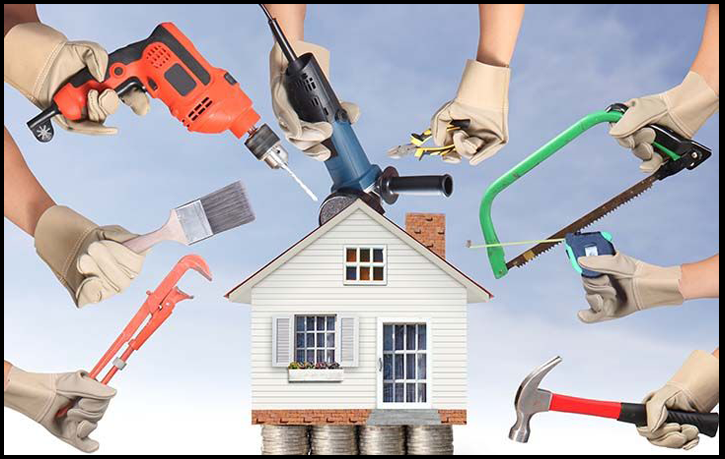
Basic tools are essential for handling routine maintenance tasks. These include hammers, screwdrivers, wrenches, pliers, and measuring tools.Power tools such as drills and saws are useful for more advanced repairs and installations.Ladders are commonly used for roof inspections, gutter cleaning, and exterior maintenance.Safety equipment such as gloves, goggles, and masks should always be used when performing maintenance tasks.Having the right tools makes maintenance work more efficient and safer.
Common Home Maintenance Issues
Several common issues can arise in residential properties if maintenance is neglected.Water leaks are one of the most frequent problems and can lead to mold growth and structural damage.Electrical issues such as faulty wiring or overloaded circuits can create safety hazards.Roof damage, including missing shingles or leaks, can allow water to enter the home.Clogged gutters can cause water overflow and damage to walls and foundations.Poor insulation can lead to energy loss and higher utility bills.Addressing these issues early helps prevent costly repairs and ensures a safe living environment.
Benefits of Consistent Home Maintenance
Regular home maintenance provides numerous benefits. It extends the lifespan of building materials and systems, reducing the need for major repairs.It improves energy efficiency by ensuring that insulation, windows, and HVAC systems function properly.A well-maintained home is also safer, as potential hazards such as electrical faults or structural weaknesses are identified and corrected early.Maintenance also enhances comfort by keeping living spaces clean, functional, and visually appealing.
Role of Professional Services in Home Maintenance
While some maintenance tasks can be handled by homeowners, others require professional expertise.Licensed professionals are often needed for electrical repairs, plumbing work, roofing, and HVAC servicing. They have the knowledge and tools to perform these tasks safely and effectively.Hiring professionals ensures that work meets safety standards and building regulations.Professional inspections can also identify hidden issues that may not be visible during routine checks.
Cost Considerations in Home Maintenance
The cost of home maintenance varies depending on the size of the property, the condition of systems, and the type of work required.Routine maintenance tasks are generally affordable and help prevent expensive repairs in the future.Major repairs or replacements, such as roofing or HVAC systems, can be costly but are necessary for long-term property health.Creating a maintenance budget helps homeowners plan for both routine care and unexpected repairs.
Modern Trends in Home Maintenance
Modern home maintenance is becoming more efficient with the use of technology. Smart home systems allow homeowners to monitor energy usage, detect leaks, and control temperature remotely.Automated maintenance reminders help ensure that tasks are completed on time.Energy-efficient upgrades such as LED lighting, improved insulation, and smart thermostats are becoming increasingly popular.Sustainable maintenance practices focus on reducing environmental impact while improving home performance.
Conclusion
Residential home maintenance is essential for preserving the safety, functionality, and value of a property. Regular inspections, preventive care, and timely repairs help avoid costly damage and ensure a comfortable living environment.
By maintaining key systems such as roofing, plumbing, electrical, and HVAC, homeowners can extend the lifespan of their property and improve energy efficiency.
Whether handled independently or with professional assistance, consistent home maintenance is a long-term investment that protects both the structure and value of a home.