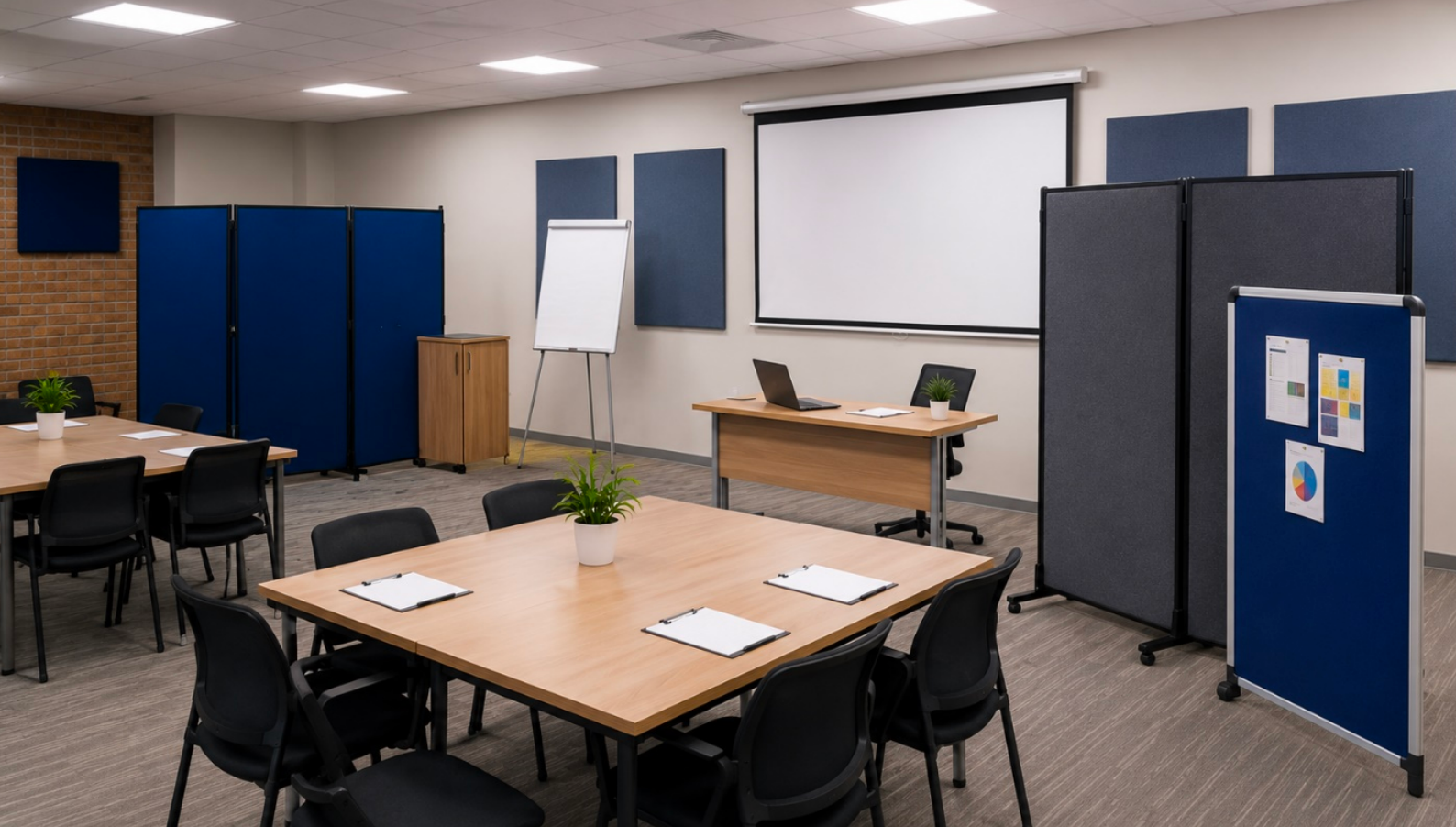





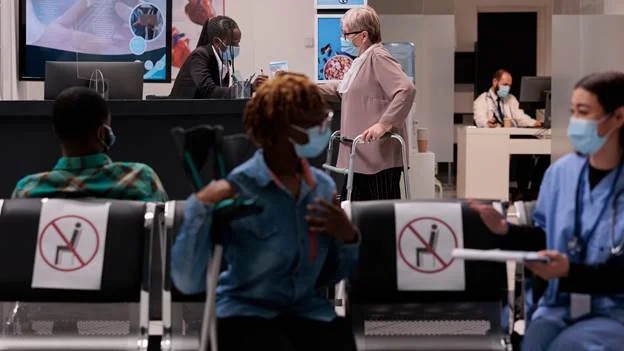
The waiting room is a broken concept.
Walk into any hospital clinic around 10:00 AM. It’s just the usual thing. Plastic chairs in a row, a low-key TV, dozens of people looking at their phones or watching the time.
That room is stressful for a patient. To a hospital executive, it means something worse: leaking money, bad reviews, and front desk workers who are considering a career change.
For a long time, hospitals just accepted this as normal. However, savvy healthcare executives are discovering that it doesn’t have to be that way. By moving lines from the physical room onto patients’ phones, hospitals are fixing their daily operations and keeping patients from walking out the door.
In the following blog, we will explore how queue management systems for hospitalsare proven smart tools for managing hospital patient flow for better care.
The True Cost of Waiting in long lines
Waiting is not only tedious, it’s dangerous, too. It affects patient behaviour.
Consider the last occasion you had to wait for something without any notifications. Fifteen minutes are like an hour. You may start wondering if they lost your documents, or if people are skipping ahead of you.
When patients fall into that trap, there are three significant business issues for hospitals:
- People leave. When a wait feels endless, patients just walk out. Every person who leaves is a lost billable visit and a medical risk.
- Scores drop. Hospital funding relies heavily on patient satisfaction surveys. A doctor can give perfect medical care, but if check-in is a mess, the patient still leaves an angry review.
- Staff burn out. The front-desk team takes the heat for the delays. Spending eight hours a day dealing with frustrated, tired people leads to massive employee turnover. And hiring new staff is expensive.
How Digital Lines Actually Work
This isn’t about those paper ticket dispensers you see at the deli counter. It is a live tracking system.
- First, patients don’t have to sit under clinic lights. They can login from home, a coffee shop, or from their cars. They join a virtual “line”.
- Second, the system sends honest text updates. When a doctor is overrun with a difficult case, the system will text the patient, “We are 20 minutes behind, please get a coffee, we will text you when your room is ready.“ This gives control back to the patient. They can wait wherever they feel safe and comfortable.
- Third, the software handles the logic. It balances scheduled appointments, walk-ins, and emergency needs automatically. The front desk never gets hit with a sudden wall of people.
Three Wins for Hospital Operations
Switching to a healthcare queue management system changes how a hospital functions on a daily basis. Here’s how:
1. Happy Front-Desk Teams
When a waiting room is packed, desk workers spend half their time answering one question: “How much longer?” Virtual lines stop this. When patients can see their status on their phones, they don’t need to ask for updates. The mood at the front desk instantly improves.
2. Cleaner, Safer Clinics
Nobody wants to sit in a tight room next to five coughing strangers anymore. Keeping the physical waiting room empty is basic infection control. Letting people wait in their cars or outside creates a safer environment for everyone.
3. Decisions Based on Data
Paper sign-in sheets don’t tell you how to run a business. A digital system gives administrators clear data. You can see exactly which days have bottlenecks, how long it takes to get a patient from check-in to an exam chair, and which departments are slowing down. You can schedule your staff based on real numbers, not guesses.
The Financial Return
Paying for patient experience tech can look like a luxury. But fixing your lines has a direct impact on revenue.
- Fewer drop-outs: Keeping patients in the loop means they stay instead of leaving.
- Less turnover: Lowering stress at the front desk keeps your employees from quitting.
- Better flow: When the front desk runs smoothly, doctors don’t sit around waiting for charts to clear. They can often see one or two more patients every day.
If a clinic stops just two or three frustrated patients from walking out each week, the system pays for itself in a couple of months.
Features to look for in a queue management system in healthcare
When you buy a system, avoid generic retail software. Healthcare is too complicated for that. Look for these specific features:
- EHR Integration: It must connect directly with Epic, Cerner, or whatever system you use. Your staff should never have to enter data twice.
- HIPAA Compliance: This is non-negotiable. The texting and data storage must be fully secure and legally compliant.
- Zero-App Access: Do not make sick or stressed patients download an app or make a password. It should work through a simple text link.
- Triage Logic: A hospital isn’t a deli. The software must know how to prioritize a chest pain walk-in over a routine check-up automatically.
- Multi-Language Support: Your community isn’t uniform. The system needs to text patients in their preferred language so nobody gets left out.
- Predictive Alerts: It shouldn’t just track the line. It needs to automatically text patients if a doctor gets pulled into an emergency.
- Simple Analytics: You need a clean dashboard that shows wait times and bottlenecks instantly, without needing a data degree to read it.
Take a Walk Tomorrow
Patient treatment prior to the visit to the doctor is as important as the medicine. You may have the best clinical staff in the city, but if the waiting room is a confusing, stressful bottleneck, people will find another hospital. Patients want convenience.
Tomorrow morning at 10:00 AM, walk down to your main waiting area. Look at the patients, and look at your front-desk team.
If the room is crowded and tense, you are losing money, staff, and trust. It’s time to get rid of the physical waiting room.