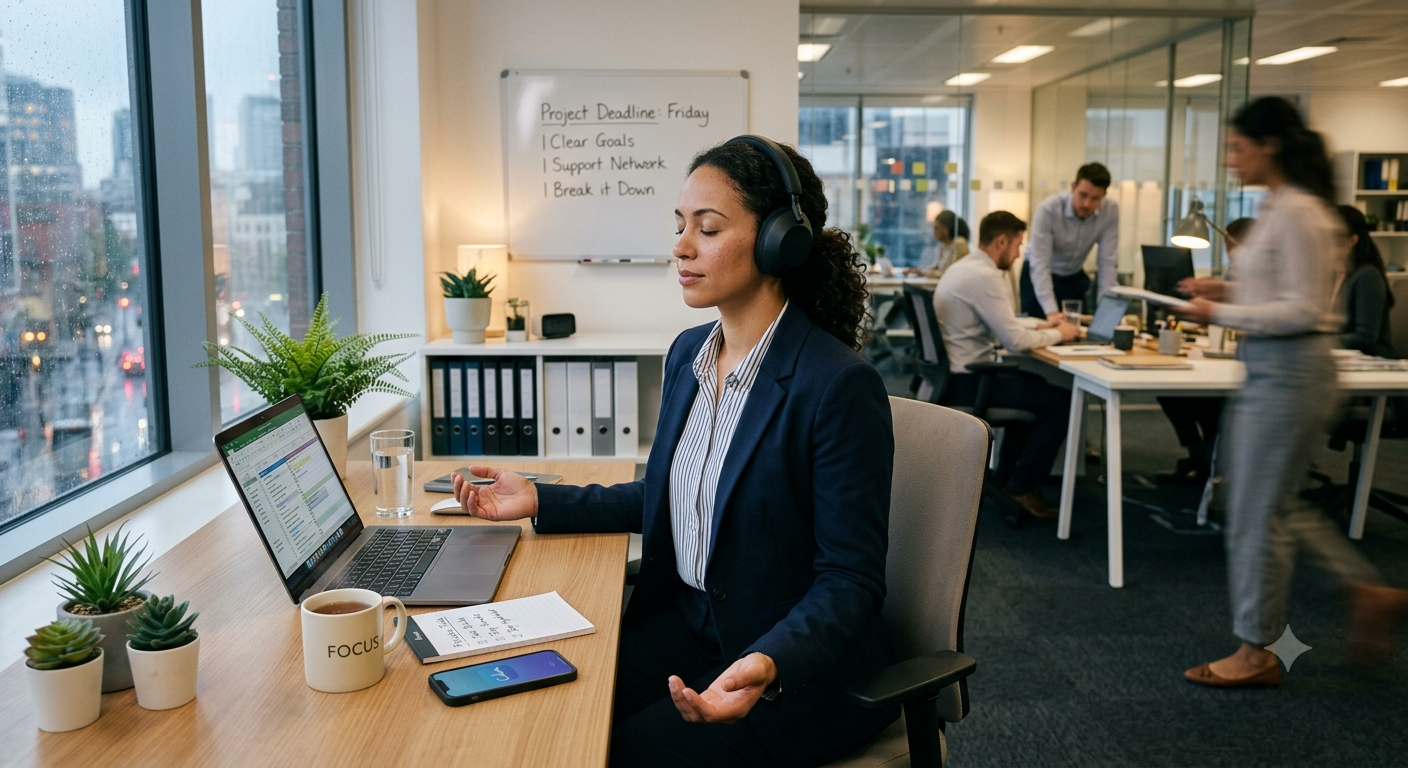





Did you know that sitting for long periods can affect your health? With many people now working from home, spending hours at a desk has become part of daily life. While remote working offers flexibility, it can also lead to prolonged inactivity. If you regularly end the day with a stiff neck, aching back, or low energy, you are not alone. Long hours of sitting can affect posture, mobility, circulation, and overall well-being.
The good news is that you do not need a complete lifestyle overhaul to protect your health. Small, consistent changes, such as taking regular walking breaks, stretching, or even enjoying a few minutes on a Trampoline, can make a significant difference. By introducing more movement into your routine, you can improve your physical health, boost productivity, and feel more energised throughout the day.
In this guide, we will explore practical and effective ways to counteract long hours of sitting while working from home and create healthier daily habits that are easy to maintain.
How Can Prolonged Sitting Affect Your Health?
Modern work routines often involve long stretches of sitting in front of a computer. While this may seem harmless, remaining seated for extended periods can place stress on various parts of the body and contribute to several health concerns.
- Poor posture: Sitting for long periods can encourage slouching, placing extra strain on the spine, neck, and shoulders.
- Muscle stiffness and tension: Lack of movement can cause muscles, particularly in the hips, back, and legs, to become tight and uncomfortable.
- Reduced circulation: Staying seated for hours can slow blood flow, leading to swollen feet, tired legs, and reduced overall circulation.
- Lower energy levels: Physical inactivity often contributes to feelings of fatigue and reduced productivity throughout the day.
- Neck, shoulder, and back pain: Poor desk habits and prolonged sitting can increase pressure on key areas of the body, causing aches and discomfort.
- Decreased flexibility and mobility: Without regular movement, joints and muscles can become less flexible, making everyday activities more challenging.
- Reduced physical fitness: A sedentary lifestyle may gradually weaken muscles and lower overall physical conditioning.
Understanding these risks highlights why regular movement is essential during the working day.
What are the Long-Term Benefits of Moving More Throughout the Day?
Adding regular movement to your workday offers benefits that extend far beyond temporary relief from stiffness. Consistent activity supports both physical and mental well-being while helping you build healthier habits for the future.
1. Better Posture and Fewer Aches and Pains: Regular movement helps keep muscles active and reduces strain on the neck, shoulders, and lower back. Additionally, it promotes improved posture all day long.
2. Increased Energy and Mental Clarity: Short bursts of activity improve blood circulation and oxygen flow to the brain. This can boost focus, concentration, and overall productivity.
3. Improved Mobility as You Age: Moving frequently helps maintain joint flexibility and muscle strength. Activities such as walking, stretching, or using an In-ground trampoline can help support mobility and coordination over time.
4. A Healthier Balance Between Work and Well-being: Activity breaks create natural boundaries between work tasks and personal wellbeing. This helps reduce stress and supports a healthier daily routine.
5. Better Circulation: Regular movement encourages healthy blood flow throughout the body. Even a few minutes of gentle bouncing on a Rectangle trampoline can help stimulate circulation and reduce feelings of sluggishness.
6. Stronger Muscles and Joints: Daily movement keeps muscles engaged and joints functioning properly. This can lower the risk of stiffness and physical discomfort over time.
7. Reduced Risk of Sedentary Lifestyle Issues: Breaking up long periods of sitting helps counter the negative effects of inactivity. It supports overall health and encourages a more active lifestyle.
8. Improved Mood and Stress Management: Physical activity stimulates the release of feel-good hormones that support emotional well-being. Even brief movement breaks can help relieve stress and improve mood.
9. Better Work Performance: Staying active throughout the day can improve alertness and decision-making. This often leads to greater efficiency and better work quality.
10. Healthier Daily Habits: Making movement a regular part of your routine, whether through walking, stretching, or regular Garden trampoline sessions, encourages long-term healthy behaviours.
Now, let’s look at simple and smart ways to stay active throughout the day.
7 Smart Ways to Prevent Long Hours of Sitting While Working From Home
Preventing excessive sitting does not require expensive equipment or complicated fitness programmes. Simple adjustments to your daily routine can help you stay active while maintaining productivity.
1. Take Movement Breaks Every 30 to 60 Minutes
One of the simplest strategies is to schedule regular movement breaks throughout the day. Set a reminder to stand up, walk around your home, or perform a few simple stretches every 30 to 60 minutes. Before going back to work, these brief pauses help increase circulation, ease stiffness in your muscles, and clear your head.
2. Create a More Active Workspace
Your work environment can significantly influence your activity levels. Think about utilising a workstation that can be adjusted, a standing desk, or even an elevated surface that lets you switch between sitting and standing. Changing positions regularly encourages movement and reduces the amount of time spent sitting continuously.
3. Walk More Throughout the Day
Seek out chances to take more steps each day. Make phone calls while you’re out and about, take quick walks during your lunch break, or take a longer path when you’re moving around your house. Over time, these minor adjustments add up to keep your body moving throughout the day.
4. Strengthen Your Core and Posture Muscles
Strong core muscles play an important role in supporting healthy posture. Incorporating exercises such as planks, bridges, bodyweight movements, and bouncing on aFitness trampoline into your routine can help strengthen the muscles that support your spine. Improved strength often leads to better posture, greater stability, and reduced discomfort during long working hours.
5. Use a Trampoline for Quick Activity Breaks
A trampoline offers a fun and effective way to introduce more movement into your day. Gently bouncing for a short while can increase heart rate, enhance circulation, and offer a welcome respite from extended sitting. For those working from home, a garden trampoline creates an enjoyable alternative to traditional exercise while encouraging the whole family to stay active. Choosing a trampoline with high-qualityTrampoline pads can also enhance comfort and safety, making regular activity even more enjoyable. Even short trampoline sessions can help counteract the effects of prolonged inactivity and support overall well-being.
6. Incorporate Stretching into Your Daily Routine
Stretching increases flexibility and eases tense muscles. Focus on areas that often become tense during desk work, including the neck, shoulders, hips, and lower back. Regular stretching sessions can improve comfort, mobility, and overall physical well-being throughout the working day.
7. Finish the Day with Physical Activity
Ending your workday with exercise can help offset the effects of sitting while supporting overall fitness. Activities such as walking, cycling, strength training, swimming, or 14ft trampoline exercise can all contribute to better health. Creating a consistent post-work activity routine also provides a clear mental transition between work time and personal time.
Consistency is what delivers lasting results.
Additional Tips for Staying Active While Working From Home
Maintaining an active lifestyle while working remotely often comes down to building simple habits. Small changes throughout the day can help you move more without disrupting your workflow.
- Drink more water to encourage regular trips to refill your bottle or glass.
- A fun way to stay active after work is to spend a few minutes on a trampoline, and well-chosen Trampoline accessories make the bouncing experience more pleasurable.
- Try different types of yoga every weekend, such as mat yoga, trampoline yoga, and anti-gravity yoga.
- Keep frequently used items, such as your printer or notebook, away from your desk to create opportunities for walking.
- Every hour, set a reminder on your computer or phone to get up and move.
- Use fitness or well-ness apps to track your daily activity and movement goals.
- Take phone calls while standing or walking around your home.
- Stretch while waiting for the kettle to boil or during short breaks between tasks.
- Create a Soft play zone at home to encourage active family fun, giving both you and your child an enjoyable way to stay moving while spending quality time together.
- Perform simple bodyweight exercises, such as squats or lunges, during work breaks.
- Spend a few minutes outdoors during lunch or between meetings to increase your daily step count.
- Choose the stairs whenever possible instead of remaining seated for long periods.
- Schedule active breaks into your calendar just as you would any important meeting.
- Join your children in active play at a soft play centre like Wonderlandplay to add more movement to your week while enjoying valuable family time.
These small actions can add up throughout the day, helping you build a healthier and more active working routine.
Making activity part of your routine supports lasting health.
Conclusion
Working from home offers many advantages, but it can also lead to long hours of sitting that gradually impact your health and well-being. Thankfully, minor adjustments can have a big impact. The consequences of extended sitting can be mitigated by taking regular movement breaks, making your workstation more active, walking more frequently, strengthening your posture muscles, using a trampoline for brief activity sessions, stretching frequently, and exercising at the end of the day.
Addingmost effective low-impact trampoline exercises that actually work to your routine can be another simple and enjoyable way to stay active. Even a few minutes of gentle bouncing can help increase circulation, engage multiple muscle groups, and break up long periods of inactivity without placing excessive stress on your joints.
The key is consistency. You do not need to spend hours exercising to see positive results. You may enhance your posture, boost your energy, promote long-term mobility, and establish a better work-life balance by including movement into your daily routine. Every step, stretch, and movement counts towards building a stronger, healthier future.