




Endometriosis is a gynaecological condition that may affect women during their reproductive years. It occurs when tissue similar to the lining of the uterus grows outside the womb, commonly affecting areas such as the ovaries, fallopian tubes, pelvic lining, or surrounding organs.
Some women with endometriosis experience pelvic pain and menstrual discomfort, while others may not notice symptoms until they encounter difficulty conceiving. Because the condition may affect fertility in certain individuals, understanding when to seek medical advice from a gynaecologist may help support earlier assessment and treatment planning.
Understanding Endometriosis
Endometriosis develops when tissue resembling the uterine lining grows outside the uterus. During the menstrual cycle, this tissue may respond to hormonal changes similarly to the uterine lining, which can contribute to inflammation, irritation, or scar tissue formation.
The severity of endometriosis may vary considerably. Some women may have mild disease with limited symptoms, while others may experience more extensive pelvic involvement.
Although endometriosis is commonly diagnosed in women during their reproductive years, symptoms and fertility concerns may differ between individuals.
Common Symptoms of Endometriosis
Pelvic Pain and Menstrual Discomfort
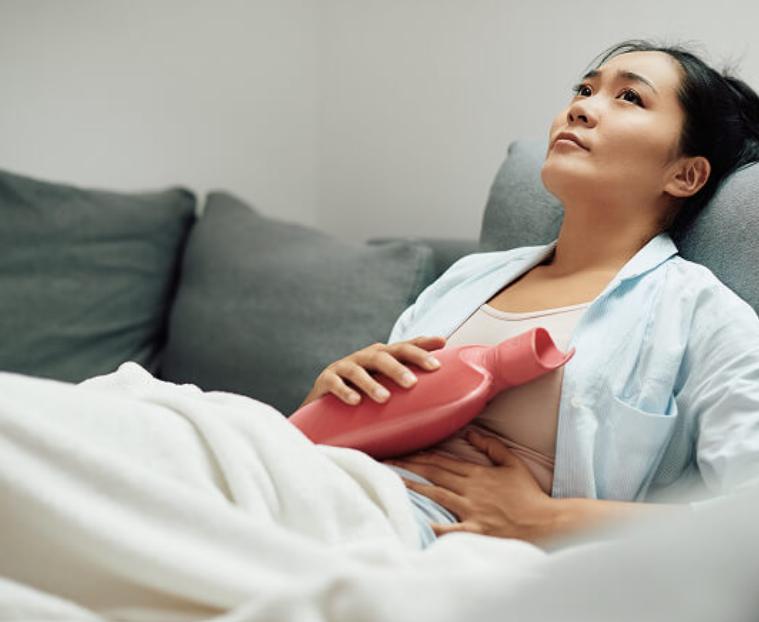
Pelvic pain is among the more common symptoms associated with endometriosis. Some women experience painful menstrual cramps that may interfere with daily activities or worsen over time.
Pain may occur before or during menstruation and can sometimes extend to the lower back or pelvic region.
Pain During Daily Activities or Intimacy
Some women with endometriosis may experience discomfort during physical activity, bowel movements, urination, or sexual intercourse. The location and severity of symptoms may depend on the areas affected by endometrial tissue growth.
Digestive or Urinary Symptoms
Endometriosis may occasionally contribute to bloating, nausea, constipation, diarrhoea, or urinary discomfort, particularly during menstruation.
Because these symptoms may resemble other medical conditions, further medical assessment may sometimes be required.
Difficulty Conceiving
Some women first discover they have endometriosis after seeking medical advice for fertility concerns. Endometriosis may affect fertility in different ways, although not all women with the condition experience difficulty becoming pregnant.
How Endometriosis May Affect Fertility
Inflammation and Scar Tissue
Endometriosis may contribute to inflammation within the pelvic cavity. Over time, this inflammation may lead to scar tissue or adhesions, which can affect the reproductive organs.
Adhesions may alter the normal position or movement of the ovaries and fallopian tubes, potentially affecting fertilisation.
Effects on the Ovaries and Fallopian Tubes
In some women, endometriosis may affect the ovaries or block the fallopian tubes. Ovarian cysts known as endometriomas may also develop in certain cases.
These changes may affect egg release, fertilisation, or the movement of the egg and sperm within the reproductive tract.
Ovulation and Egg Quality Considerations
Inflammation linked to endometriosis may affect ovulation, egg quality, or embryo implantation in some women. Fertility outcomes can differ based on factors such as age, overall reproductive health, and the extent of the condition.
A gynaecologist or fertility specialist may recommend further assessment to better understand individual fertility factors.
Diagnosing Endometriosis
Medical History and Symptom Assessment
Doctors commonly begin by reviewing menstrual history, pelvic pain symptoms, fertility concerns, and general reproductive health.
Women may be asked about the severity and timing of symptoms, previous medical conditions, and family history.
Ultrasound and Imaging Tests
Pelvic ultrasound scans may help identify ovarian cysts or other abnormalities associated with endometriosis. Imaging tests may also assist in evaluating the reproductive organs and excluding other possible causes of symptoms.
However, some forms of endometriosis may not always be visible through imaging alone.
Laparoscopic Assessment
Laparoscopy is a minimally invasive surgical procedure that may be used to examine the pelvic cavity more closely. In some cases, it may help confirm the presence and extent of endometriosis.
A doctor will determine whether laparoscopic assessment is appropriate based on symptoms, fertility concerns, and clinical findings.
Fertility Assessment for Women With Endometriosis
Hormone Testing
Hormone tests may be recommended to evaluate ovulation and reproductive hormone levels. These assessments may help fertility specialists better understand ovarian function and menstrual cycle patterns.
Ovarian Reserve Assessment
Women with endometriosis may sometimes undergo ovarian reserve testing to estimate egg quantity. This assessment may involve blood tests or ultrasound evaluation of ovarian follicles.
The results may help guide fertility planning or treatment discussions, including IVF considerations where appropriate.
Partner Fertility Evaluation
Fertility assessments may also involve evaluating male reproductive health. Semen analysis may be recommended as part of a comprehensive fertility evaluation for couples trying to conceive.
Fertility Treatment Options That May Be Discussed
Lifestyle and Symptom Management
Lifestyle measures such as balanced nutrition, regular exercise, and stress management may support general health and wellbeing during fertility planning.
Women experiencing severe menstrual symptoms may also discuss symptom management strategies with their doctor.
Medication Considerations
Certain medications may be used to help manage pain or hormonal symptoms associated with endometriosis. Treatment recommendations may differ depending on whether pregnancy is currently being planned.
Women trying to conceive should discuss medication suitability with their doctor.
Surgical Management
In some situations, surgery may be considered to remove endometrial tissue, adhesions, or ovarian cysts. Surgical management may be discussed when symptoms are significant or when fertility concerns are present.
The suitability of surgery depends on individual medical circumstances and reproductive goals.
IVF and Assisted Reproductive Techniques
For some women with endometriosis-related fertility concerns, assisted reproductive techniques such as IVF may be discussed.
IVF involves fertilising eggs with sperm in a laboratory before embryo transfer into the uterus. A fertility-focused gynaecologist may recommend IVF depending on age, ovarian reserve, duration of infertility, and the severity of endometriosis.
Treatment recommendations are typically individualised based on each patient’s reproductive health profile.
When Women May Consider Seeing a Gynaecologist
Women experiencing persistent pelvic pain, severe menstrual symptoms, irregular bleeding, or difficulty conceiving may consider seeking medical advice from a gynaecologist.
Early fertility assessment may help identify potential reproductive concerns and support informed decision-making regarding fertility planning or IVF treatment where appropriate.
Emotional Wellbeing and Support During Fertility Planning
Endometriosis and fertility concerns may affect emotional wellbeing for some women and couples. Stress, uncertainty, and repeated treatment planning may contribute to emotional strain during the fertility journey.
Support from healthcare professionals, family members, counsellors, or support groups may help individuals navigate fertility-related challenges and treatment discussions.
Endometriosis is a common gynaecological condition that may affect fertility, pelvic health, and overall wellbeing. While some women with endometriosis conceive naturally, others may benefit from fertility assessment or treatment support depending on their symptoms and reproductive goals.
Speaking with a qualified gynaecologist may help women better understand their condition, fertility options, and whether further investigations or IVF treatment may be appropriate based on their individual needs.