



The rapid growth of electric vehicles has transformed the way people think about transportation, sustainability, and residential infrastructure. As more drivers transition from traditional gasoline-powered cars to electric vehicles, the demand for reliable charging solutions continues to increase. While homeowners often enjoy the convenience of installing charging equipment in private garages or driveways, residents of multi-unit residential properties face unique challenges. Property managers, building owners, developers, and tenants are now seeking practical ways to accommodate the growing number of electric vehicle users while maintaining convenience, safety, and property value.
The evolution of residential charging infrastructure is no longer a future consideration; it has become an immediate necessity. Multi-unit residential communities must adapt to changing transportation trends to remain competitive and attractive to current and prospective residents. Electric vehicle ownership is expected to continue rising over the coming years, making charging accessibility one of the most important amenities in residential properties. As a result, integrating efficient charging solutions into apartment complexes and residential buildings is becoming a strategic investment rather than an optional upgrade.
The Growing Demand for Electric Vehicle Charging in Residential Communities
Electric vehicles have become increasingly popular due to their environmental benefits, lower operating costs, and advancements in battery technology. Governments, automakers, and environmental organizations have all contributed to accelerating EV adoption through incentives, awareness campaigns, and technological innovation. Consequently, residential communities are experiencing a significant shift in tenant expectations.
Residents who own electric vehicles expect convenient charging access where they live. Public charging stations can be useful, but relying solely on external infrastructure often creates inconvenience and uncertainty. Many EV owners prefer overnight charging because it aligns naturally with daily routines and ensures vehicles are ready for use each morning. This preference has increased pressure on residential property owners to provide dependable charging options within their communities.
Properties that fail to address these evolving expectations may face challenges attracting environmentally conscious residents. Conversely, buildings that proactively invest in charging infrastructure can gain a competitive advantage in a crowded housing market. Charging amenities are increasingly viewed as indicators of modernization, sustainability, and resident-focused property management.
Understanding the Challenges of Multi-Unit Residential Charging
Installing charging infrastructure in a multi-unit residential environment involves complexities that are not typically encountered in single-family homes. Shared parking arrangements, electrical capacity limitations, ownership structures, and budget considerations can all influence implementation decisions. Property managers must balance the needs of EV drivers with the interests of all residents while ensuring compliance with safety standards and building regulations.
One common challenge involves determining how electricity costs will be allocated among users. Since multiple residents may share charging equipment, accurate tracking and billing systems become essential. Modern charging technologies often include software platforms capable of monitoring energy consumption, managing user access, and generating usage reports. These features help ensure fairness and transparency while simplifying administrative responsibilities.
Another challenge is scalability. A property may initially have only a few electric vehicle owners, but demand can increase significantly over time. Installing infrastructure with future expansion in mind helps avoid costly upgrades later. Forward-thinking planning enables communities to accommodate growing EV adoption without major disruptions or repeated construction projects.
Why Charging Infrastructure Has Become a Valuable Property Amenity
Residential amenities play a crucial role in attracting and retaining tenants. Historically, features such as fitness centers, swimming pools, and high-speed internet have influenced housing decisions. Today, EV charging is joining this list of sought-after amenities.
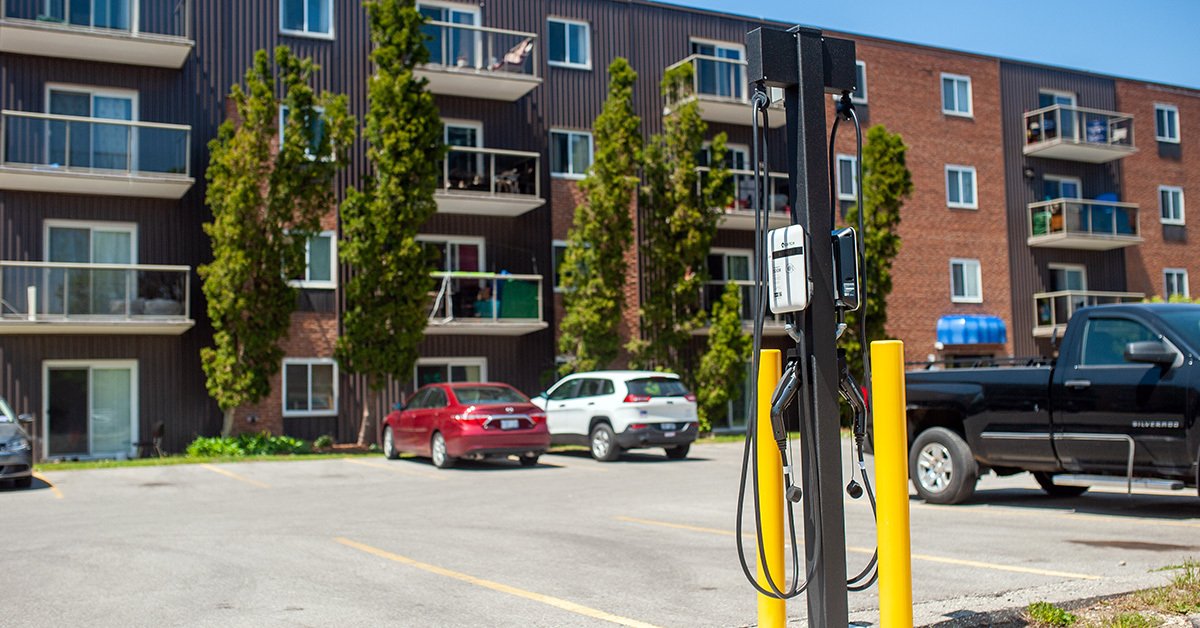
An effective apartment EV charger solution can significantly enhance the appeal of a residential property. Prospective tenants who drive electric vehicles often prioritize charging accessibility when evaluating housing options. The ability to charge conveniently at home eliminates the need for frequent visits to public charging stations and contributes to a more seamless ownership experience.
Property owners also benefit financially from charging infrastructure investments. Buildings equipped with charging facilities may experience stronger occupancy rates, increased tenant satisfaction, and improved long-term property value. As sustainability becomes a central consideration in real estate development, charging capabilities demonstrate a commitment to environmental responsibility and technological advancement.Furthermore, charging amenities can contribute to a property’s reputation as a modern and forward-thinking community. This perception can attract residents who value innovation, convenience, and sustainable living practices.
Selecting the Right Charging Technology
Choosing appropriate charging technology requires careful evaluation of resident needs, parking configurations, electrical capacity, and budget constraints. Different charging levels offer varying charging speeds and installation requirements.
Level 1 charging uses standard electrical outlets and provides relatively slow charging speeds. While it may be suitable for some users with modest driving requirements, it is generally insufficient for properties seeking comprehensive charging solutions.
Level 2 charging has become the preferred option for most residential communities. It delivers significantly faster charging speeds and can fully charge many electric vehicles overnight. This balance of performance, affordability, and convenience makes Level 2 systems particularly attractive for multi-unit properties.Fast charging technologies offer even greater charging speeds but typically involve higher installation costs and increased electrical demands. These systems may be appropriate in certain situations but are less common in residential environments due to infrastructure requirements.
Property managers should evaluate current and projected demand while considering long-term scalability. Investing in adaptable technology can help ensure infrastructure remains effective as vehicle technology and resident expectations continue to evolve.
Planning for Future Expansion
One of the most important considerations when implementing charging infrastructure is future readiness. Electric vehicle adoption rates continue to rise, and residential communities that plan only for current demand may find themselves struggling to keep pace with future needs.
Future-focused planning begins with a comprehensive assessment of existing electrical systems. Understanding available capacity allows decision-makers to determine how many charging stations can be supported immediately and what upgrades may be required for expansion. Load management technologies can optimize energy distribution, enabling multiple chargers to operate efficiently without overwhelming electrical systems.
Installing conduit pathways and preparing parking areas for future chargers can significantly reduce expansion costs. Even if only a limited number of charging stations are installed initially, preparing infrastructure in advance creates flexibility for future growth.An apartment EV charger strategy designed with scalability in mind helps property owners avoid repeated construction expenses while ensuring residents continue to enjoy reliable charging access as demand increases.
The Role of Smart Charging Systems
Technological advancements have greatly improved the efficiency and manageability of EV charging infrastructure. Smart charging systems offer sophisticated features that benefit both residents and property managers.
These systems can monitor energy usage, schedule charging sessions, manage peak demand periods, and provide detailed analytics. By intelligently distributing available power, smart charging technology helps maximize infrastructure efficiency while minimizing strain on electrical systems.
User authentication features ensure that only authorized residents can access charging equipment. Automated billing capabilities simplify cost recovery by accurately tracking individual usage. Mobile applications often allow users to monitor charging progress, receive notifications, and manage charging schedules remotely.
For property managers, smart charging platforms provide valuable insights into usage patterns and infrastructure performance. This data supports informed decision-making regarding future expansion, maintenance planning, and operational optimization.As technology continues to evolve, smart charging solutions are becoming increasingly essential components of successful residential charging programs.
Financial Considerations and Return on Investment
Although charging infrastructure requires an upfront investment, many property owners view it as a strategic long-term asset. The financial benefits extend beyond direct revenue generated through charging fees.
Properties that offer EV charging may attract higher-quality tenants, reduce vacancy rates, and enhance overall marketability. As consumer preferences increasingly favor sustainable living environments, charging amenities can strengthen a property’s competitive position.
Several factors influence return on investment, including installation costs, utilization rates, electricity pricing, and operational expenses. Careful planning helps maximize financial performance while delivering meaningful value to residents.
Many jurisdictions and utility providers offer incentives, rebates, or funding programs that can offset installation costs. Exploring available financial assistance opportunities can significantly improve project economics and accelerate investment recovery.Additionally, charging infrastructure can contribute to broader sustainability goals, supporting environmental initiatives that enhance corporate reputation and community engagement.
Enhancing Resident Satisfaction Through Convenience
Convenience remains one of the most compelling reasons to invest in residential charging infrastructure. Electric vehicle owners value the ability to charge their vehicles where they live, eliminating unnecessary travel and reducing reliance on external charging networks.
A well-designed apartment EV charger system creates a seamless user experience. Residents can return home, connect their vehicles, and allow charging to occur automatically during off-peak hours or overnight. This convenience saves time and reduces the stress associated with locating available public chargers.
Resident satisfaction often translates into improved retention rates. When tenants feel that a property supports their lifestyle and transportation needs, they are more likely to remain long-term residents. This stability benefits both residents and property owners by reducing turnover-related costs and fostering stronger community relationships.Convenient charging access also supports broader sustainability objectives by encouraging greater adoption of electric vehicles among residents who may otherwise hesitate due to charging concerns.
Sustainability and Environmental Benefits
The environmental advantages of electric vehicles are widely recognized. By supporting EV adoption, residential communities can play an important role in reducing greenhouse gas emissions and promoting cleaner transportation.
Charging infrastructure enables residents to transition more easily from conventional vehicles to electric alternatives. This shift contributes to improved air quality, reduced dependence on fossil fuels, and lower overall transportation emissions.Many residential communities incorporate sustainability into their branding and operational strategies. Charging infrastructure aligns naturally with these objectives, demonstrating a tangible commitment to environmental stewardship.
In addition to environmental benefits, sustainable amenities often resonate strongly with modern consumers. Prospective residents increasingly consider environmental factors when selecting housing options, making charging infrastructure a valuable component of a comprehensive sustainability strategy.
An apartment EV charger installation can therefore support both environmental goals and business objectives, creating value for residents, property owners, and the broader community.
Preparing Residential Properties for the Future
The transition toward electric mobility is accelerating, and residential properties must adapt to remain relevant in a rapidly changing market. Charging infrastructure is becoming a fundamental component of modern residential living, much like internet connectivity and other essential utilities.
Successful implementation requires thoughtful planning, stakeholder collaboration, and a long-term perspective. Property owners who proactively address charging needs position themselves to meet evolving resident expectations while enhancing property value and competitiveness.
As electric vehicle ownership continues to grow, charging accessibility will increasingly influence housing decisions. Communities that invest in reliable, scalable, and user-friendly charging solutions will be better equipped to thrive in the future residential landscape.The integration of charging infrastructure represents more than a technological upgrade; it reflects a broader commitment to innovation, sustainability, and resident satisfaction. By embracing this transition today, residential communities can create lasting benefits for years to come.
Conclusion
Electric vehicles are reshaping transportation and influencing how residential properties plan for the future. Multi-unit communities face unique challenges when implementing charging infrastructure, but these challenges can be addressed through careful planning, smart technology, and scalable solutions. Charging amenities enhance property appeal, improve resident satisfaction, support sustainability goals, and contribute to long-term property value.
As demand for electric vehicle ownership continues to rise, charging accessibility will become an increasingly important expectation among residents. Property owners who invest strategically in charging infrastructure today will be better positioned to meet future demand while strengthening their competitive advantage. The continued growth of electric mobility makes residential charging not merely an added convenience but an essential component of modern community living.