




Crawlspace encapsulation is one of the most effective modern solutions for controlling moisture, improving indoor air quality, and protecting a home’s structural integrity. Many homeowners underestimate the importance of the crawlspace because it is hidden and rarely used, but this area plays a major role in the overall health of a building. When left unprotected, crawlspaces can become a source of humidity, mold growth, wood rot, pest infestation, and even foundation deterioration.
Encapsulation transforms an open or vented crawlspace into a sealed, controlled environment. This process involves covering the floor and walls with vapor barriers, sealing vents, managing moisture levels, and often installing dehumidification systems. The result is a cleaner, drier, and more energy-efficient home. Understanding how this system works and why it matters can help homeowners make better long-term decisions about property maintenance and structural care.
Understanding Crawlspace Encapsulation
Crawlspace encapsulation is the process of sealing the crawlspace from outside moisture and air by using heavy-duty vapor barriers and moisture control systems. Instead of allowing outside air and humidity to enter freely, the space is fully sealed and conditioned.
Traditionally, crawlspaces were built with vents to allow air circulation. However, modern building science has shown that these vents often introduce more moisture than they remove. Warm, humid air enters the crawlspace, condenses on cooler surfaces, and creates damp conditions that lead to long-term damage.
Encapsulation eliminates this problem by creating a controlled environment that prevents outside moisture from entering. This helps maintain stable humidity levels and protects the home’s structural components.
Why Crawlspaces Are Vulnerable to Moisture
Crawlspaces are naturally exposed to moisture because they are located directly above soil. Groundwater, rain infiltration, and soil humidity all contribute to moisture buildup in this area. Since crawlspaces are often dark and poorly ventilated, moisture tends to linger and accumulate over time.
When humidity levels rise, it creates the perfect environment for mold and mildew growth. Wooden beams and floor joists begin to absorb moisture, which can lead to rot and weakening of structural components. In addition, pests such as termites and insects are attracted to damp environments, increasing the risk of infestation.
Over time, these issues can affect the entire home, leading to uneven floors, unpleasant odors, and reduced indoor air quality.
How Crawlspace Encapsulation Works
The process of crawlspace encapsulation involves several steps designed to completely seal and protect the area. First, the crawlspace is inspected for existing moisture problems, structural issues, or pest activity. Any standing water or damage is addressed before encapsulation begins.
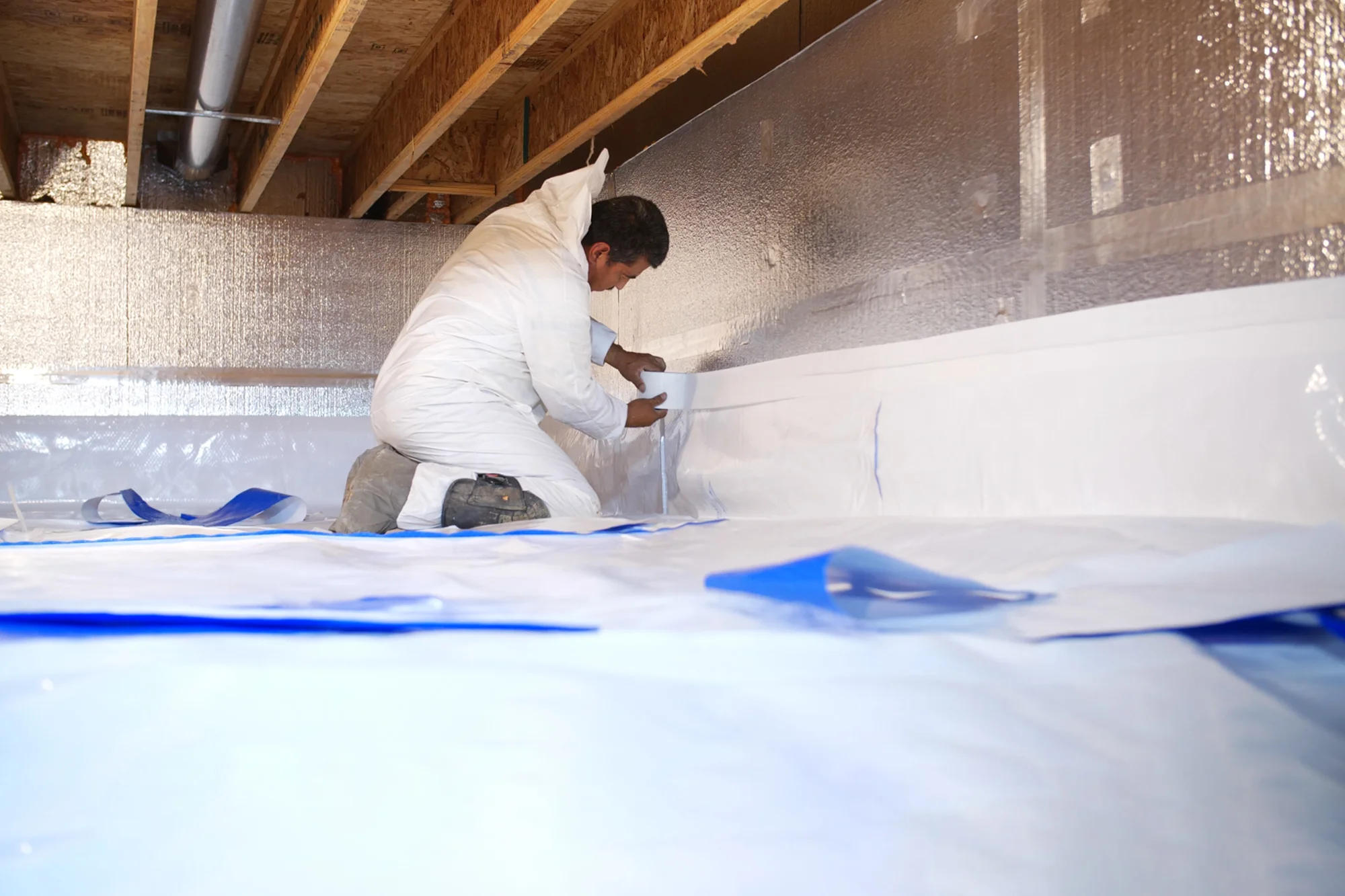
Next, a thick vapor barrier is installed across the floor and walls. This barrier prevents moisture from the soil from entering the crawlspace. Seams are carefully sealed to ensure complete coverage.
Foundation vents are then sealed to block outside air from entering. In many cases, insulation is also added to improve energy efficiency and temperature control.
Finally, a dehumidifier may be installed to regulate humidity levels and maintain a dry environment. This combination of steps ensures that the crawlspace remains clean, dry, and stable.
Benefits of Crawlspace Encapsulation
One of the most important benefits of crawlspace encapsulation is moisture control. By sealing off the area from outside humidity, the risk of mold growth and wood rot is significantly reduced. This helps preserve the structural integrity of the home.
Another major benefit is improved indoor air quality. Air from the crawlspace naturally rises into the living areas of the home. If the crawlspace is damp or moldy, it can negatively affect the air that residents breathe. Encapsulation helps eliminate this problem by keeping the crawlspace clean and dry.
Energy efficiency is also improved. A sealed crawlspace reduces heat loss in winter and prevents excess heat and humidity in summer. This can lead to lower energy bills and more consistent indoor temperatures.
Pest control is another advantage. Sealed environments are less attractive to insects, rodents, and termites, reducing the risk of infestation and structural damage.
Common Problems Caused by Unsealed Crawlspaces
When crawlspaces are left unsealed, several long-term problems can develop. Moisture buildup is the most common issue. As humidity rises, it leads to mold growth, wood decay, and insulation damage.
Musty odors are also common in homes with unsealed crawlspaces. These odors often travel into living areas, creating an unpleasant indoor environment.
Structural damage can occur when wooden support beams absorb moisture over time. This can lead to sagging floors and weakened structural support.
In some cases, homeowners may require expert foundation repair services when moisture-related damage spreads to structural components. These services help restore stability and address underlying issues caused by long-term exposure to humidity and water.
The Role of Vapor Barriers in Encapsulation
Vapor barriers are one of the most important components of crawlspace encapsulation. These thick plastic sheets are installed over the ground and sometimes along the walls to prevent moisture from rising into the crawlspace.
High-quality vapor barriers are designed to resist punctures and provide long-term protection against ground moisture. When properly installed, they create a continuous seal that blocks water vapor from entering the space.
Without vapor barriers, encapsulation systems are incomplete and less effective. They serve as the foundation of the entire moisture control system.
Importance of Humidity Control
Controlling humidity is essential in maintaining a healthy crawlspace environment. Even after sealing the area, moisture can still accumulate due to temperature differences or minor air leaks.
This is why dehumidifiers are often installed as part of encapsulation systems. These devices continuously monitor and adjust humidity levels, ensuring that the environment remains stable.
Proper humidity control prevents mold growth, protects wooden structures, and improves overall air quality inside the home.
Encapsulation and Structural Protection
Crawlspace encapsulation plays a direct role in protecting the structural integrity of a home. When moisture is allowed to enter the crawlspace, it gradually weakens wooden beams, floor joists, and insulation materials.
Over time, this can lead to sagging floors, uneven surfaces, and even foundation movement. By sealing the crawlspace, homeowners reduce the risk of moisture-related structural damage.
In cases where damage has already occurred, professional evaluation is necessary. Services such as expert foundation repair services are often required to restore stability and address structural weaknesses caused by long-term exposure to moisture.
Energy Efficiency and Home Comfort
A properly encapsulated crawlspace improves energy efficiency by reducing air leakage and stabilizing indoor temperatures. Without encapsulation, cold or humid air from the crawlspace can enter the home, making heating and cooling systems work harder.
By sealing the crawlspace, homeowners can reduce energy loss and improve overall comfort. Floors feel warmer in winter, and indoor humidity levels become more balanced during summer months.
This creates a more consistent and comfortable living environment throughout the year.
Maintenance of an Encapsulated Crawlspace
Although crawlspace encapsulation is designed to be a long-term solution, regular maintenance is still important. Homeowners should periodically check for any damage to vapor barriers, signs of moisture buildup, or issues with dehumidifiers.
It is also important to ensure that drainage systems around the home are functioning properly. Water that collects near the foundation can still impact the crawlspace if not properly managed.
Routine inspections help ensure that the encapsulation system continues to perform effectively over time.
Long-Term Value of Crawlspace Encapsulation
Crawlspace encapsulation provides long-term value by protecting both the structure and health of a home. It reduces the risk of costly repairs, improves energy efficiency, and enhances indoor air quality.
Homes with properly encapsulated crawlspaces are often more attractive to buyers because they demonstrate better maintenance and lower risk of moisture-related issues.
In addition, combining encapsulation with other structural services such as expert foundation repair services ensures that the entire foundation system remains stable and protected from long-term damage.
Final Thoughts
Crawlspace encapsulation is one of the most effective ways to protect a home from moisture, structural damage, and poor air quality. By sealing the crawlspace and controlling humidity, homeowners can prevent many common problems before they start.This system not only improves comfort and energy efficiency but also plays a critical role in preserving the structural integrity of the entire home.
When combined with professional maintenance and structural support when needed, such as expert foundation repair services, encapsulation becomes a powerful long-term investment in home health and stability.
A properly encapsulated crawlspace ensures that the hidden parts of a home are just as protected and well-maintained as the visible ones, creating a safer and more durable living environment for years to come.