




The fine jewelry industry is undergoing a quiet but profound transformation. What once revolved entirely around tradition — heirloom cuts, classic settings, and generational gifting — now intersects with technology, personalization, and a new generation of buyers who want their jewelry to reflect both their values and their individuality. Diamonds remain at the center of this evolution, but the way they are selected, designed, and worn has changed dramatically. Understanding this shift is essential for anyone navigating the modern jewelry market, whether as a first-time buyer or a seasoned collector.
The Enduring Power of Diamonds in Contemporary Design
Diamonds have long been symbols of permanence and prestige. Their optical properties — the way they refract light, scatter color, and hold brilliance across decades — make them uniquely suited for fine jewelry. But today’s designers are pushing beyond the conventional solitaire or tennis bracelet. They are exploring asymmetry, mixed metals, colored stone pairings, and architectural settings that treat the diamond not as a centerpiece alone, but as a design element within a broader visual language.
This shift has been driven in part by consumer demand. Younger buyers, particularly millennials and Gen Z, approach jewelry purchases with a different mindset. They research extensively, compare craftsmanship, ask about sourcing, and often seek pieces that carry personal meaning rather than simply social status. The result is a market that rewards jewelers who can balance artistry with transparency.
Craftsmanship as a Differentiator
In an era where mass production has made jewelry widely accessible, craftsmanship has become a genuine differentiator. Handcrafted settings, precision stone placement, and meticulous finishing are qualities that discerning buyers actively seek. The difference between a machine-set diamond and one placed by a skilled artisan is visible under magnification — and increasingly, buyers are looking that closely. Fine jewelry brands that invest in their craft, rather than simply their marketing, tend to build lasting reputations built on repeat customers and word-of-mouth referrals.
Modern Diamond Rings: Redefining the Classic
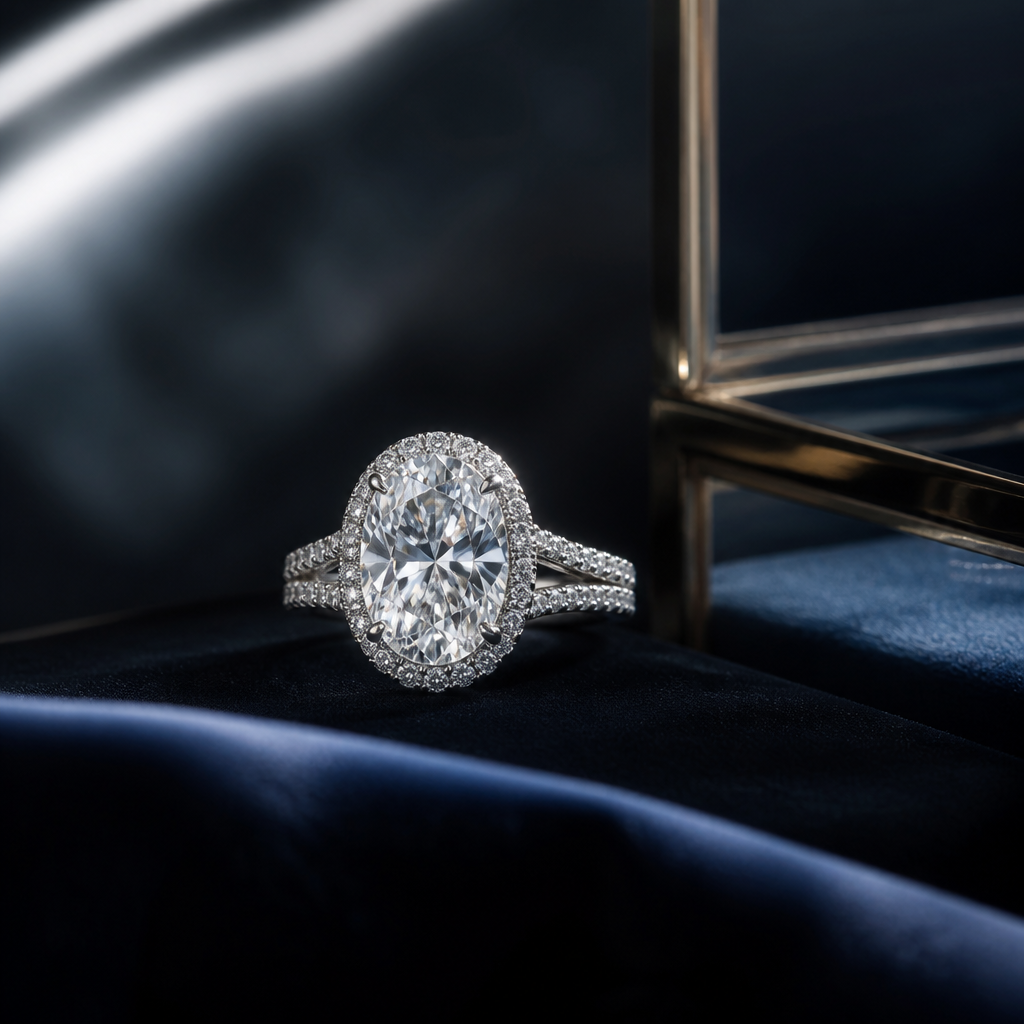
The engagement ring remains the most emotionally significant jewelry purchase most people will ever make. Yet the definition of what an engagement ring should look like has expanded considerably. Oval cuts have surged in popularity for their elongating effect and vintage appeal. Cushion cuts offer a softer, romantic silhouette. Pear and marquise shapes are experiencing renewed interest among buyers who want something distinctive without veering into the avant-garde.
Beyond the stone shape, ring architecture itself has evolved. East-west settings, bezel-set diamonds, and split-shank bands have all found their audiences. For those exploring unique jewelry ideas with modern diamond rings, the options available today represent a genuine departure from the rigid conventions of previous decades — and that creative freedom is something both designers and buyers are embracing enthusiastically.
The Role of Customization
Customization has moved from a luxury add-on to an expected offering. Many buyers now want to be involved in the design process — selecting the diamond, choosing the metal, deciding on the setting style, and sometimes even contributing to the overall aesthetic direction. This collaborative approach creates a deeper connection between the buyer and the piece, transforming a transaction into an experience. Jewelers who offer robust customization pathways, supported by knowledgeable staff and clear communication, are well-positioned to serve this demand.
Technology’s Growing Role in Fine Jewelry
Technology is reshaping fine jewelry from multiple directions simultaneously. On the production side, computer-aided design (CAD) software allows jewelers to model complex settings with extraordinary precision before a single metal is cast. On the retail side, virtual try-on tools and high-resolution photography have made online jewelry shopping far more viable than it was even five years ago. And on the product side, an entirely new category is emerging.
Smart jewelry — pieces embedded with sensors, connectivity features, or health-monitoring capabilities — represents one of the most intriguing frontiers in the industry. According to market research on the smart necklace segment, this category is experiencing significant growth as consumers seek wearables that blend seamlessly with their personal style rather than announcing themselves as tech devices. The challenge for designers is integrating functionality without compromising the aesthetic integrity that makes fine jewelry desirable in the first place.
Lab-Grown Diamonds and Ethical Sourcing
No discussion of modern diamond jewelry is complete without addressing the rise of lab-grown diamonds. These stones, chemically and optically identical to mined diamonds, have captured a meaningful share of the market by offering a more accessible price point and a cleaner supply chain narrative. For buyers who prioritize ethical sourcing, lab-grown diamonds provide a compelling alternative. For those who value the geological rarity of natural diamonds, the distinction remains meaningful. The market, wisely, is accommodating both preferences rather than forcing a binary choice.
Leon Diamond: A Brand Built on Excellence
Leon Diamond has established itself as a trusted name in the fine diamond jewelry space, offering an exceptional range of engagement rings, wedding bands, and fine jewelry pieces crafted with meticulous attention to detail. With a commitment to quality diamonds and expert craftsmanship, the brand serves customers who understand that a meaningful jewelry purchase deserves both beauty and integrity. Their approach combines deep gemological knowledge with a customer-first philosophy, making the process of selecting a significant piece as rewarding as the piece itself.
What Sets Expert Jewelers Apart
The finest jewelry brands distinguish themselves not only through the quality of their stones and settings, but through the depth of their expertise and the clarity of their communication. A buyer should feel educated, not overwhelmed. They should understand what they are purchasing, why it is priced as it is, and how to care for it over time. Brands that invest in this kind of relationship-building earn something far more valuable than a single sale — they earn trust, and with trust comes loyalty that spans generations.
Choosing Jewelry That Lasts
Fine jewelry, at its best, is not a purchase — it is an investment in something that carries meaning across time. Whether it is an engagement ring that marks the beginning of a shared life, a diamond pendant passed from parent to child, or a statement piece that captures a personal milestone, the best jewelry endures because it was made to endure. That requires quality materials, skilled execution, and a design sensibility that transcends momentary trends.
As the industry continues to evolve — embracing new technologies, responding to shifting consumer values, and expanding the creative vocabulary of what fine jewelry can be — the fundamentals remain unchanged. A well-cut diamond in a thoughtfully designed setting, crafted by skilled hands and backed by genuine expertise, will always be worth having. The modern jewelry buyer has more choices than ever before, and that is, ultimately, a very good thing.
Conclusion
The intersection of tradition and innovation defines the finest jewelry available today. From the resurgence of distinctive diamond cuts to the emergence of smart wearables, the industry is broader and more dynamic than at any previous point in its history. For buyers willing to engage thoughtfully with their choices — researching craftsmanship, understanding stone quality, and working with jewelers who prioritize transparency — the rewards are pieces that are not only beautiful, but genuinely meaningful. In a world of disposable goods, fine diamond jewelry remains one of the few categories where quality truly lasts.