





In Toronto’s housing market, the small stuff moves the price. Buyers walk through a home with their phones out, and every unpatched hole, sticking door, loose railing, and yellowed caulk line registers as deferred maintenance — and deferred maintenance makes them discount every other room they haven’t inspected yet. The fix is a pre-listing handyman pass: a focused day or two of small repairs before the photos are taken, handling exactly the details buyers read as “cared for” versus “neglected.” This guide covers what belongs on that pre-listing list, why it pays back, and how to sequence it against staging and photography.
The economics are hard to argue with. A pre-listing handyman pass in Toronto typically costs a few hundred to a couple thousand dollars in labour, and the return — in stronger offers, fewer conditional bids, and faster days-on-market — regularly runs several times that. Sellers who handle it well line up reliable handymen toronto before the listing date, so the work is done before the photographer arrives rather than squeezed into the last panicked days. Comparing providers in advance means the whole punch list gets booked as one visit instead of scrambled together at the end.
Why small defects cost real money
Buyers cannot assess a home’s mechanical systems, foundation, or wiring on a walkthrough — so they use the visible small stuff as a proxy for how the whole home has been maintained. A loose handle, a running toilet, a scuffed baseboard: individually trivial, collectively they tell a story. Once a buyer reads “this home has been neglected,” they discount aggressively and inspect suspiciously. A home that reads “cared for” gets the benefit of the doubt on everything they can’t see. The pre-listing pass is about controlling that first impression.
The rooms buyers scrutinize most
Across Toronto showings, five areas drive the largest share of buyer hesitation, and the pre-listing pass should focus there:
The front entry. Loose handle, sticking deadbolt, scuffed door, a closet door that won’t close. First impression forms in fifteen seconds and colours everything after.
The primary bathroom. Yellowed or pulled-away caulk, a wobbly toilet seat, a drawer that catches, a faucet that sprays sideways, a loud exhaust fan. Buyers scrutinize bathrooms and infer maintenance habits from them.
The kitchen. Loose cabinet handles, drawer fronts out of alignment, a dripping faucet, a corroded-looking shut-off valve, mismatched bulb colours.
The main living space. A TV mount left crooked, sagging drapery, holes from removed shelves, marks on the walls.
The basement landing. Loose railing, scuffed trim, a door that catches — where buyers consciously judge whether the whole home has been kept up, not just the staged main floor.
The core pre-listing punch list
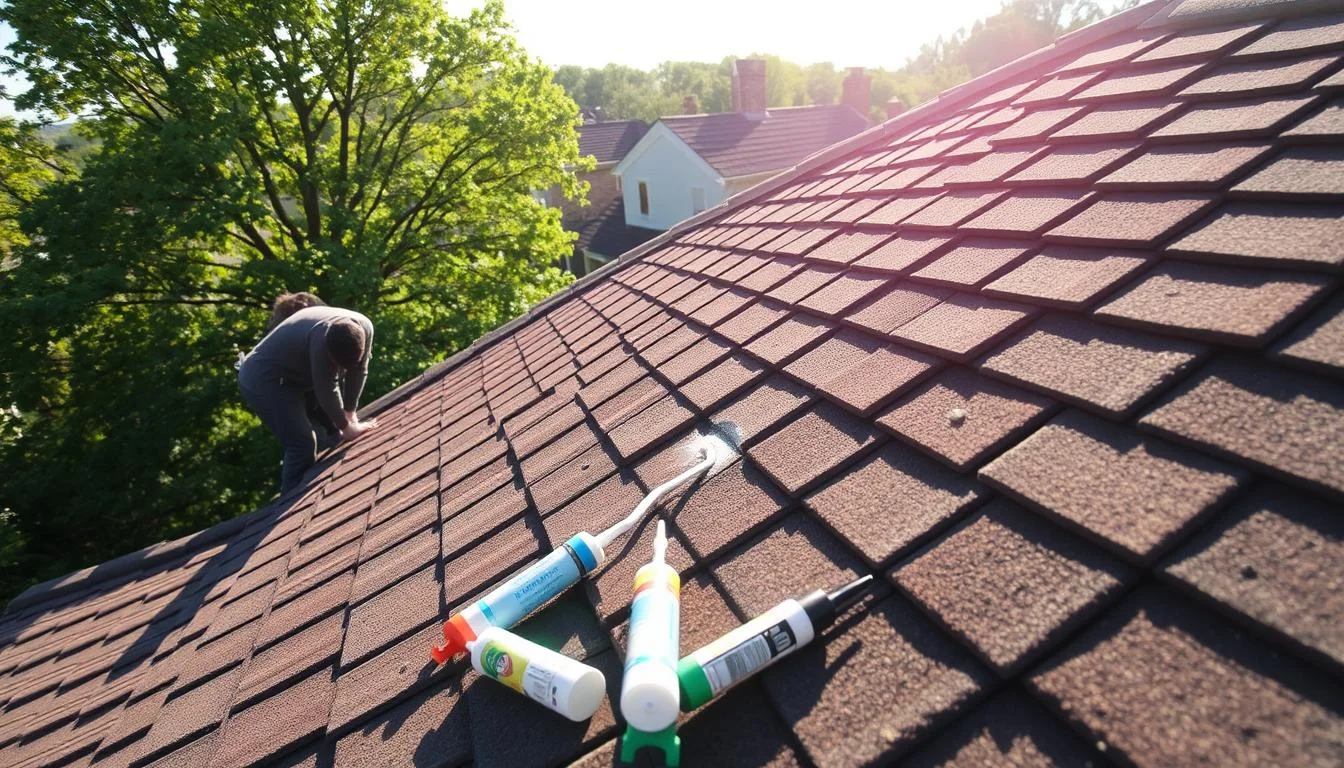
A typical Toronto pre-listing handyman visit covers: patching and touch-up painting on nail holes and scuffs, re-caulking tubs and showers where the seal has yellowed, tightening every loose handle and railing, fixing doors that stick or won’t latch, replacing dead bulbs and mismatched fixtures, fixing running toilets and dripping faucets, and re-securing anything loose. Three to six hours for a typical home, and the result is a space that photographs clean and shows without the small distractions that make buyers hesitate.
What not to do: over-improving
The most common pre-listing mistake is spending on the wrong things. Buyers are not paying for refreshed taste — most will redecorate anyway — and mid-range cosmetic upgrades rarely earn their money back. Repainting the whole home in trendy colours, swapping perfectly good fixtures, or starting small renovations before listing usually costs more than it returns. The pre-listing pass is about making the home look maintained at its existing finish level, not upgrading it. A cared-for home at its current standard beats a half-renovated one.
Sequencing with photography and staging
The order matters. The handyman work needs to happen first — before the photographer and before the stagers, not after. The sequence that works: pre-listing handyman pass, then a deep clean, then staging, then photography, then the listing goes live. Handyman work done after staging risks damaging the styled space; done before photos, it ensures nothing distracting shows up in the images that most buyers see before they ever book a showing. Give the handyman pass a few days of lead time before the photo date so anything the provider flags during the walkthrough can be handled without a rush.
The bottom line
A pre-listing handyman pass is one of the highest-return, lowest-cost moves a Toronto seller makes. Buyers use visible small defects as a proxy for how the whole home has been maintained, so patching holes, re-caulking, tightening loose hardware, and fixing sticking doors before the photos directly protects the price. The keys are focusing on the five rooms buyers scrutinize most, resisting the urge to over-improve, and sequencing the handyman work before cleaning, staging, and photography — not after. Done that way, the home shows as cared-for from the first photo, and cared-for homes sell faster and for more.