




Importance of roof replacement for home safety and durability
A roof replacement is one of the most critical home improvement projects because the roof is the first line of defense against weather, moisture, and external damage. Over time, roofs naturally wear out due to constant exposure to sunlight, rain, wind, and temperature changes. When a roof becomes old or damaged, it can no longer provide proper protection, which puts the entire structure of the home at risk. Replacing the roof ensures that the building remains safe, strong, and well-protected against environmental conditions.
A new roof not only improves safety but also enhances the overall strength of the house. It helps prevent leaks, structural weakening, and internal damage that can occur when an old roof starts failing. For homeowners, roof replacement is not just a repair task but a long-term investment in property protection.
Signs that indicate the need for roof replacement
There are several warning signs that suggest a roof may need replacement. One of the most common signs is frequent leaking during rain. When water starts entering the home, it usually means the roofing material has weakened or developed gaps.
Another sign is visible damage such as missing shingles, cracks, or sagging areas. These issues indicate that the roof is no longer structurally sound. Aging is also an important factor, as most roofing systems have a limited lifespan depending on the material used.Increased energy bills can also signal roof problems, as damaged roofs allow heat and cold air to escape more easily. When these signs appear together, a full roof replacement becomes necessary to restore safety and efficiency.
Different roofing materials and their benefits
Choosing the right roofing material is an important part of the replacement process. Asphalt shingles are the most commonly used option due to their affordability, durability, and ease of installation. They provide reliable protection and come in various styles and colors.
Metal roofing is another strong option known for its long lifespan and resistance to harsh weather conditions. It is highly durable and requires minimal maintenance compared to other materials.Tile roofing offers a traditional and attractive appearance while providing excellent durability and fire resistance. However, it is heavier and requires a strong structural base.Slate roofing is considered a premium option due to its natural beauty and extremely long lifespan. Although expensive, it provides unmatched durability and performance.Each material has its own advantages, and the choice depends on budget, climate, and design preferences.
Roof replacement process step by step
A proper roof replacement begins with a detailed inspection of the existing roof. This helps identify the level of damage and determine whether full replacement is necessary.The next step involves removing the old roofing material carefully to expose the underlying structure. This allows contractors to check for any hidden damage in the roof deck.
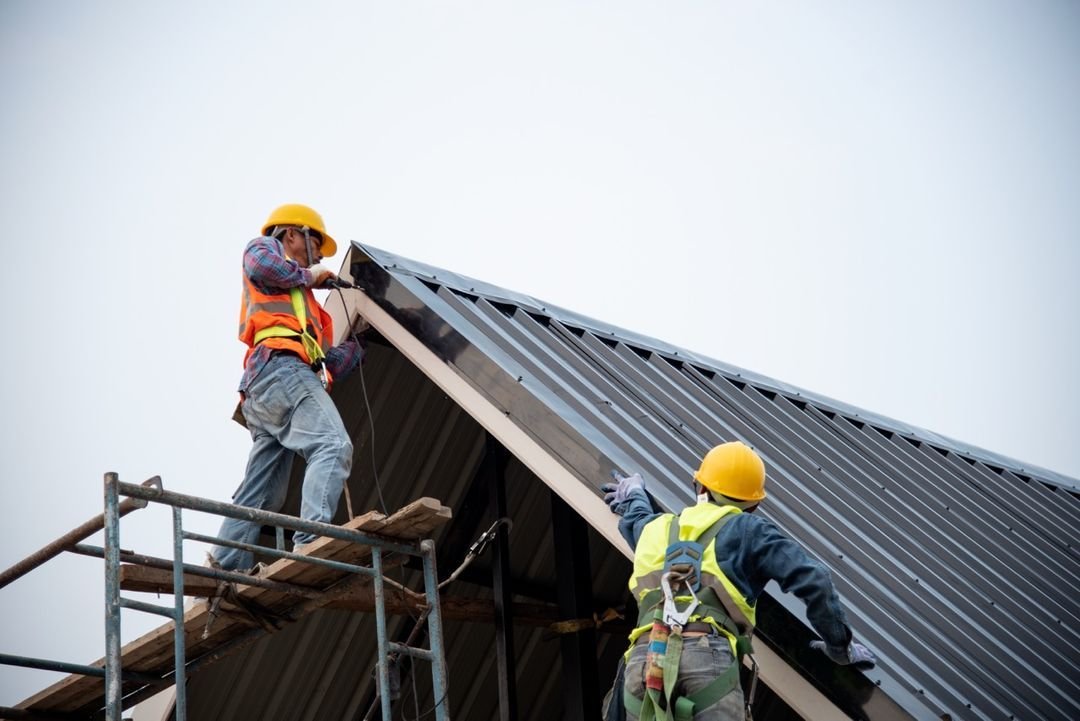
Once the surface is cleared, repairs are made to the roof base if needed. A protective underlayment is then installed to provide an extra layer of moisture protection.After preparation, new roofing materials are installed starting from the bottom and working upward to ensure proper overlap and water resistance. Special attention is given to edges, valleys, and joints to prevent leaks.Finally, the entire roof is inspected to ensure proper installation and sealing. A well-executed roof replacement ensures long-term durability and reliable performance.
Common problems caused by an old or damaged roof
An old or damaged roof can lead to several serious problems if not replaced in time. Water leakage is one of the most common issues, which can damage ceilings, walls, and interior structures.
Moisture buildup can also lead to mold growth, which affects both the structure and indoor air quality. Structural weakening is another concern, as prolonged exposure to water and weather can damage the roof deck and supporting framework.Pest infestation is also possible when gaps or holes appear in the roofing system. Small animals and insects can enter through these openings and cause further damage inside the home.These problems highlight the importance of timely roof replacement to maintain safety and comfort.
Roof maintenance before and after replacement
Proper maintenance plays an important role in extending the life of a roof. Before replacement, regular inspection helps identify early signs of damage and plan the project correctly.
After installation, periodic maintenance ensures long-term performance. Cleaning debris from the roof surface prevents water buildup and blockage. Checking flashing, edges, and joints helps ensure everything remains sealed properly.Seasonal inspections are especially important after heavy storms or harsh weather conditions. Early detection of issues helps prevent costly repairs and maintains roof strength.
Roof repair vs full roof replacement
In some cases, minor damage can be fixed with roof repair instead of full replacement. Small leaks, isolated damage, or missing shingles can often be repaired without replacing the entire roof.However, when damage is widespread or the roof is near the end of its lifespan, a full roof replacement becomes the better option. Repairs may provide temporary relief, but they cannot restore overall structural integrity in severely damaged roofs.
Choosing between repair and replacement depends on the condition of the roof, age of the material, and long-term cost considerations.
Benefits of roof replacement for homeowners
A new roof provides several important benefits. It significantly improves home safety by eliminating leaks and structural risks. It also enhances energy efficiency by improving insulation and reducing heat loss or gain.
Roof replacement increases property value by improving appearance and structural condition. A new roof also reduces maintenance costs since modern materials are designed for durability and weather resistance.Another major benefit is peace of mind, as homeowners no longer need to worry about frequent repairs or unexpected leaks during bad weather.
Long-term value of investing in a new roof
Roof replacement is a long-term investment that protects the entire structure of a home. It ensures that the building remains strong, safe, and energy efficient for many years.A properly installed roof reduces the need for frequent repairs and helps avoid costly damage to interiors and foundations. It also improves overall comfort by maintaining stable indoor temperatures.Over time, the benefits of a new roof outweigh the initial cost, making it one of the most valuable home improvement decisions.
Conclusion
A roof replacement is essential for maintaining the safety, strength, and durability of any home. It protects the structure from weather damage, prevents leaks, and improves energy efficiency. When a roof becomes old or damaged, replacing it ensures long-term stability and reduces the risk of costly repairs.
With proper material selection, professional installation, and regular maintenance, a new roof can last for many years while providing reliable protection. It is a smart investment that enhances property value, improves comfort, and ensures long-term peace of mind for homeowners.