



Underground drainage systems are one of the most essential yet least visible parts of any property’s infrastructure. These systems work continuously to carry wastewater away from buildings and maintain hygiene, safety, and comfort. When they function properly, they go unnoticed. However, when problems arise, they can quickly become disruptive, costly, and hazardous. Understanding how these systems operate and what affects their performance is the first step toward preventing serious damage.
Over time, underground pipelines face constant pressure from environmental conditions, aging materials, and human-related usage habits. Soil movement, corrosion, tree root intrusion, and buildup of waste materials can all contribute to system failure. This is why regular inspection and timely maintenance are crucial for ensuring long-term efficiency.
In many cases, early intervention can prevent major breakdowns. Modern techniques have made it easier to detect and resolve issues before they escalate. One of the most commonly required services in such situations is sewer repair, which addresses damage, blockages, and structural failures within underground drainage networks.
How Underground Drainage Systems Function
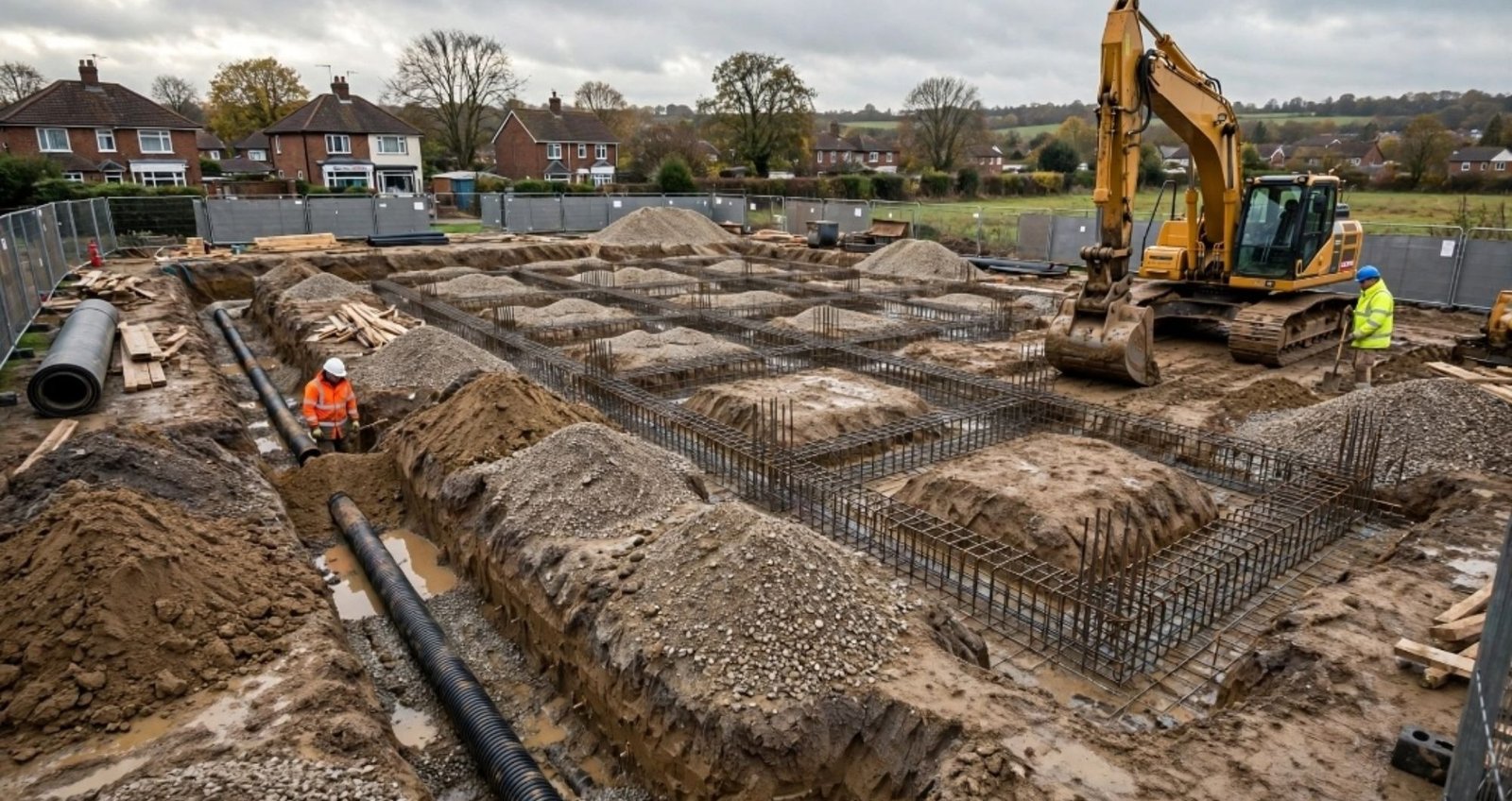
Underground drainage systems are designed to transport wastewater from residential, commercial, and industrial properties to treatment facilities. These systems rely on gravity flow in most cases, although pumps may be used in certain areas to assist movement.
The pipeline network is typically made from materials such as PVC, clay, cast iron, or concrete. Each material has its strengths and weaknesses. For example, PVC is resistant to corrosion but can be affected by ground pressure, while older materials like clay and cast iron are more prone to cracking and corrosion over time.
The efficiency of the system depends on proper installation, consistent maintenance, and responsible usage. Even small mistakes, such as disposing of grease or solid waste into drains, can lead to long-term complications.
Common Problems That Affect Drainage Systems
Several issues can impact underground pipelines, often developing gradually before becoming noticeable. One of the most common problems is blockage caused by accumulated debris, grease, and non-degradable materials. These obstructions restrict water flow and increase pressure within the system.
Tree root intrusion is another major issue. Roots naturally grow toward moisture sources and can penetrate small cracks in pipes. Once inside, they expand and cause severe blockages or even structural breakage.
Pipe corrosion is especially common in older systems. Metal pipes deteriorate over time when exposed to moisture and chemicals in wastewater. This weakens the structure and leads to leaks or collapses.
Soil shifting and ground movement can also damage pipelines. Even slight changes in soil structure can misalign pipes, creating cracks or separation at joints.
When these issues are left unaddressed, they often require professional sewer repair solutions to restore functionality and prevent further damage.
Warning Signs That Should Not Be Ignored
Drainage systems usually show early warning signs before major failure occurs. Recognizing these signals can help prevent expensive repairs and health risks.
Slow drainage in sinks, bathtubs, or toilets is often the first indication of a blockage. This happens when water flow is partially restricted within the pipeline.
Unpleasant odors coming from drains are another warning sign. These smells are usually caused by trapped waste or gas escaping through cracks in the system.
Gurgling noises in plumbing fixtures may indicate trapped air due to obstruction or improper flow. Additionally, unexplained wet patches in yards or unusually green areas of grass may suggest underground leakage.
In severe cases, sewage backup can occur inside buildings, which is a serious health hazard. At this stage, immediate attention is required, often involving urgent sewer repair to restore safe operation.
Modern Techniques Used in Pipeline Restoration
Advancements in plumbing technology have introduced more efficient and less invasive methods for fixing underground drainage issues. Traditional digging methods are now often replaced by trenchless solutions that minimize disruption.
One widely used technique is pipe relining. This involves inserting a resin-coated liner into the damaged pipe. Once in place, the liner hardens and forms a new internal pipe structure without the need for full excavation.
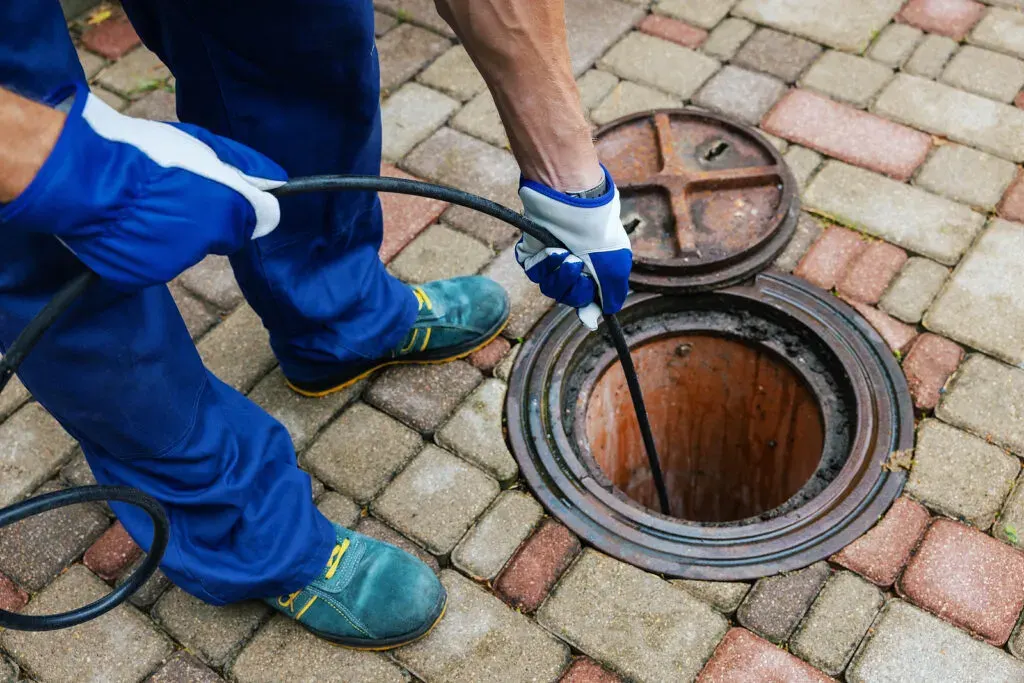
Hydro jetting is another effective method that uses high-pressure water to remove debris, grease, and root blockages. It is highly efficient for cleaning pipelines and restoring proper flow.
Pipe bursting is used when pipes are severely damaged. In this process, the old pipe is broken apart while a new one is pulled into place simultaneously. This allows for complete replacement with minimal surface disturbance.
These modern techniques have significantly improved the efficiency and success rate of sewer repair, making it easier to address complex underground issues without extensive construction work.
Step-by-Step Process of Repair and Restoration
When a drainage problem is identified, professionals follow a structured process to ensure accurate diagnosis and long-lasting results.
The first step is inspection using specialized cameras. This allows technicians to locate the exact problem area without unnecessary digging. It also helps determine the severity of the damage.
Next, the pipeline is cleaned using methods such as hydro jetting to remove blockages and prepare the system for repair. Once the line is clear, the appropriate repair method is selected based on the condition of the pipe.
Minor cracks may be fixed using relining techniques, while severe damage may require pipe replacement. After the repair is completed, another inspection is conducted to confirm that the system is functioning correctly.
Finally, the surrounding area is restored if any excavation was required. This ensures that the property is returned to its original condition.
Preventive Maintenance and Best Practices
Preventing drainage problems is far more cost-effective than repairing them after failure. Regular maintenance plays a key role in extending the lifespan of underground systems.
One of the most important practices is avoiding the disposal of grease, oils, and solid waste into drains. These materials accumulate over time and create stubborn blockages.
Routine inspections help identify early signs of damage such as small cracks or root intrusion. Addressing these issues early can prevent major failures later.
Installing root barriers near trees can also reduce the risk of intrusion. Additionally, maintaining balanced water pressure within the system helps prevent stress on pipes.
Professional maintenance services often include cleaning and diagnostic checks, which ensure that the system remains in good condition throughout the year. Timely sewer repair interventions can significantly reduce long-term costs and prevent emergencies.
Cost Considerations and Practical Factors
The cost of repairing underground drainage systems depends on several factors, including the extent of damage, location of the issue, and the method used for repair.
Minor blockages are generally less expensive to fix, while structural damage may require more advanced techniques and higher costs. Trenchless methods may have higher initial costs but often save money in the long run due to reduced excavation and restoration work.
Accessibility is another important factor. Pipes located under concrete surfaces or landscaped areas may require additional effort, increasing overall expenses.
Despite the cost, delaying necessary repairs can lead to much higher expenses in the future. Timely action is always the most cost-effective approach when dealing with underground system issues.
Importance of Professional Intervention
Underground drainage systems are complex and require specialized knowledge to diagnose and repair correctly. Attempting to fix serious issues without proper expertise can lead to further damage and higher costs.
Professional technicians use advanced tools and techniques to ensure accurate diagnosis and effective solutions. Their experience allows them to identify problems quickly and apply the most suitable repair methods.
Whether it is inspection, cleaning, or full system restoration, professional handling ensures safety, efficiency, and long-term reliability. Proper sewer repair carried out by experts helps maintain system integrity and prevents recurring issues.
Conclusion
Underground drainage systems play a vital role in maintaining hygiene, safety, and functionality in any property. Although they remain out of sight, their importance cannot be underestimated. From early warning signs to advanced restoration techniques, understanding how these systems work helps in preventing major failures.
Regular maintenance, responsible usage, and timely professional intervention are key factors in ensuring long-term performance. Modern technologies have made repairs more efficient and less disruptive, allowing issues to be resolved quickly and effectively.
By paying attention to early signs and investing in proper care, property owners can avoid costly damage and ensure smooth system operation for years to come.