



Introduction
Water can be both useful and destructive. While it is essential for daily life, uncontrolled water inside a property can quickly turn into a serious problem. Whether caused by flooding, burst pipes, or leaks, excess water can damage structures, ruin belongings, and create unhealthy living conditions. The first and most critical step in addressing this issue is water extraction.
Water extraction is the process of removing standing water from a property as quickly and efficiently as possible. It plays a vital role in preventing further damage and setting the foundation for complete restoration. Without proper extraction, moisture can spread deeper into materials, leading to structural weakening and long-term complications.
Understanding Water Intrusion
Water intrusion occurs when water enters areas where it does not belong. This can happen suddenly, such as during a flood, or gradually through leaks and seepage. Regardless of how it begins, the presence of excess water creates conditions that can damage a property over time.
Different types of water can affect a property in different ways. Clean water from a broken pipe is generally less harmful, while contaminated water from sewage or flooding can introduce bacteria and harmful substances. Understanding the source of water is important in determining the appropriate response and safety measures.
Why Water Extraction is So Important
The longer water remains inside a property, the more damage it can cause. Within a short period, water can seep into floors, walls, and furniture. As time passes, materials may swell, warp, or break down completely.
Water extraction helps limit this damage by removing water before it has a chance to spread further. It also reduces the risk of mold growth, which can begin within a day or two in damp conditions. Acting quickly not only protects the structure but also increases the chances of saving valuable items.
Common Causes Requiring Water Extraction
There are many situations where water extraction becomes necessary. One of the most common causes is plumbing failure. Burst pipes, leaking fixtures, and faulty appliances can release large amounts of water unexpectedly.
Natural events such as heavy rain and flooding can also lead to significant water accumulation. Poor drainage systems and clogged gutters can make the situation worse by allowing water to collect around a property and eventually enter it.
Roof leaks, especially during storms, can allow water to drip into ceilings and walls. Even smaller issues, such as overflowing sinks or bathtubs, can create enough water to require extraction if not addressed quickly.
The Water Extraction Process
Water extraction is not simply about removing visible water. It is a structured process that ensures all excess moisture is addressed effectively. The process usually begins with an assessment to determine the extent of water intrusion and identify affected areas.
Once the situation is evaluated, specialized equipment is used to remove standing water. High-powered pumps and vacuums are designed to extract large volumes of water quickly. This step is crucial in preventing further absorption into materials.
After the bulk of the water is removed, attention shifts to moisture that may remain in surfaces. This involves using tools to detect hidden water in walls, floors, and other structures. Thorough extraction ensures that no areas are left untreated.
Equipment Used in Water Extraction
Effective water extraction requires specialized tools that are designed to handle different levels of water damage. Pumps are commonly used for removing large amounts of standing water, especially in cases of flooding.
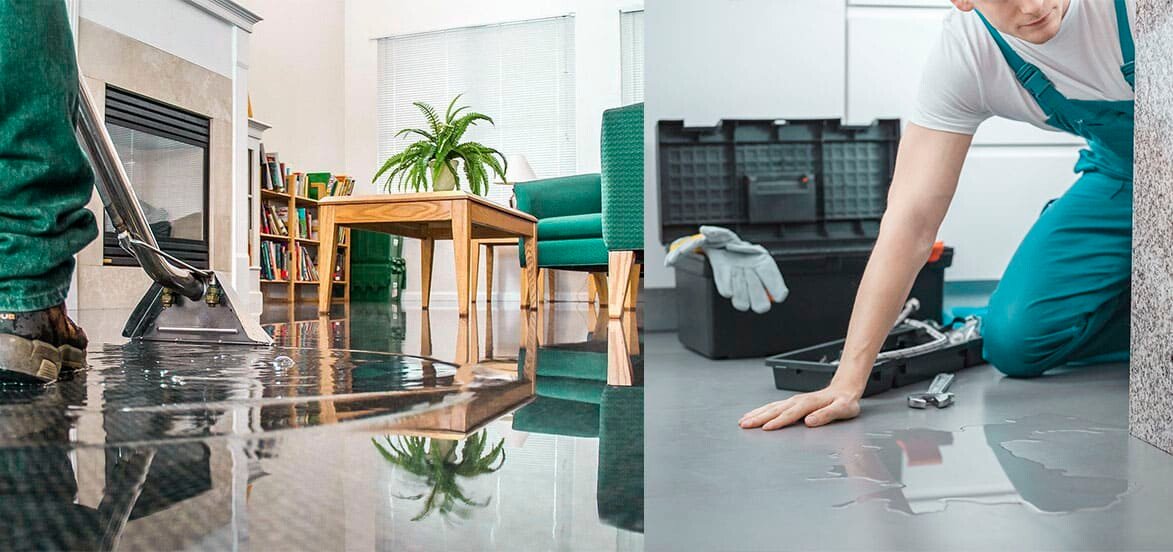
Wet vacuums are used for smaller areas and can remove water from carpets and flooring. Moisture detection tools help identify areas where water may not be visible but is still present.
While these tools are powerful, they must be used correctly to achieve the best results. Proper handling ensures that water is removed efficiently without causing additional damage.
Challenges in Water Extraction
Water extraction can be more complicated than it appears. One of the biggest challenges is dealing with hidden moisture. Water can seep into small cracks and spaces, making it difficult to detect and remove completely.
Another challenge is the type of materials affected. Porous materials like wood, drywall, and carpets absorb water quickly and may require additional steps beyond extraction.
In some cases, access to affected areas can be limited, especially if furniture or debris is in the way. These challenges make it important to approach water extraction with careful planning and the right techniques.
The Risk of Delayed Extraction
Delaying water extraction can lead to serious consequences. As water sits, it continues to spread and penetrate deeper into materials. This can weaken the structure of a building and cause permanent damage.
Mold growth is another major risk. Damp conditions provide an ideal environment for mold to develop, which can affect both the property and the health of its occupants.
Odors can also develop as water interacts with different materials. These smells can be difficult to remove if the underlying moisture is not properly addressed. Acting quickly is essential to avoid these problems.
Professional vs DIY Water Extraction
In some cases, property owners may attempt to handle water extraction on their own. While this may work for minor issues, it is not always effective for larger or more complex situations.
Professional services offer a more thorough approach to water extraction. Experts have access to advanced equipment and techniques that allow them to remove water quickly and efficiently. They can also identify hidden moisture and ensure that all affected areas are properly treated.
Choosing professional help can save time and reduce the risk of incomplete extraction, which can lead to future problems.
The Role of Drying After Extraction
Water extraction is only the first step in the recovery process. Once visible water is removed, the drying phase begins. This step is essential for eliminating any remaining moisture and preventing further damage.
Drying involves the use of air movers and dehumidifiers to remove moisture from both surfaces and the air. Proper drying ensures that materials return to their normal condition and reduces the risk of mold growth.Monitoring moisture levels during this process helps ensure that all areas are completely dry before moving on to repairs.
Preventing Future Water Issues
After completing water extraction and drying, it is important to take steps to prevent future problems. Regular maintenance can help identify potential issues before they become serious.
Checking plumbing systems, repairing leaks promptly, and ensuring proper drainage are key preventive measures. Cleaning gutters and directing water away from the property can also reduce the risk of water intrusion.Maintaining indoor humidity levels and ensuring proper ventilation further help create an environment that is less susceptible to water-related issues.
Protecting Property and Health
Water damage does not only affect structures; it can also impact health. Damp conditions can lead to poor indoor air quality and create an environment where mold and bacteria thrive.
Proper water extraction helps protect both the property and the people inside it. By removing water quickly and thoroughly, it reduces the risk of health issues and creates a safer living environment.
Long-Term Benefits of Proper Water Extraction
Investing in effective water extraction offers long-term advantages. It helps preserve the integrity of a building and reduces the need for costly repairs. It also ensures that the property remains safe and comfortable for occupants.
Addressing water issues promptly prevents minor problems from becoming major ones. This proactive approach saves time, money, and effort in the long run.
Conclusion
Water intrusion can cause serious damage, but timely and effective action can make a significant difference. Water extraction is the first and most important step in restoring a property after water damage.
By removing excess water quickly, addressing hidden moisture, and following up with proper drying, it is possible to prevent long-term issues and protect both property and health. A careful and structured approach ensures that recovery is not only successful but also lasting.