




Air conditioning systems are designed to provide long-term comfort, but like all machines, they have a limited lifespan. Over time, performance declines due to wear and tear, outdated technology, frequent breakdowns, and rising energy consumption. At some point, repairing the system repeatedly becomes more expensive and less effective than replacing it completely. This is where the concept of AC replacement becomes important.
Replacing an old cooling system is not just about upgrading a machine; it is about improving comfort, reducing electricity costs, and ensuring reliable performance for years. This guide explains when replacement is necessary, how to make the right decision, and what benefits come with upgrading to a new system.
When AC Replacement Becomes Necessary
An air conditioner does not fail suddenly in most cases; instead, its performance gradually decreases over time. One of the biggest signs that replacement may be needed is frequent breakdowns. If the system requires repairs again and again, it becomes a financial burden and a sign that internal components are reaching the end of their life.
Another clear sign is weak cooling even after servicing. When cleaning and repairs no longer restore proper performance, it means the system has lost its efficiency permanently. Rising electricity bills are also a strong indicator because old systems consume more energy to produce less cooling.
If the system is more than 8 to 12 years old, it is often less efficient compared to modern energy-saving models. In such cases, replacing the unit becomes a more practical and cost-effective solution.
Common Problems in Old Cooling Systems
Old air conditioning systems face multiple issues that affect both performance and comfort. One of the most common problems is reduced cooling capacity, where the system takes longer to cool the room or fails to maintain a stable temperature.
Noise problems are also common in older units due to worn-out motors and loose internal components. Refrigerant leakage becomes more frequent with aging pipes and connections. Electrical faults may also increase due to outdated wiring and control systems.
In many cases, spare parts for older models become difficult to find, making repairs more expensive and time-consuming. These combined issues make replacement a better long-term solution.
Repair vs Replacement Decision
One of the most important decisions for any user is whether to repair or replace the system. Minor issues like filter cleaning, gas refilling, or small electrical repairs can be fixed easily. However, when major components like the compressor fail, repair costs can become very high.
If the repair cost is more than half the price of a new system, replacement is usually the better option. Another factor is energy efficiency. Older systems consume significantly more electricity compared to modern inverter technology units.
A new system not only reduces energy bills but also provides better cooling performance and advanced features. This makes replacement a smarter investment in the long run.
Benefits of Upgrading to a New System
Replacing an old cooling system offers several advantages. One of the biggest benefits is improved energy efficiency. Modern systems are designed with advanced technology that adjusts power usage automatically, resulting in lower electricity bills.
Property owners reviewing energy-saving upgrades can also explore How To Improve EPC Rating From D to C through Energy Performance Solutions for EPC consultancy support focused on improving property energy ratings and compliance.
New systems also provide faster and more consistent cooling. They maintain stable temperature levels without frequent fluctuations. Noise levels are significantly lower in modern units, improving indoor comfort.
Another benefit is better air quality because new systems come with advanced filtration technology that removes dust, allergens, and bacteria more effectively. Overall, upgrading improves comfort, efficiency, and long-term reliability.
Choosing the Right System for Replacement
Selecting the right system during replacement is very important because it determines long-term performance. The new unit should match the room size and cooling requirements. A system that is too small will struggle to cool the space, while an oversized unit may waste energy.
Energy rating is also important because higher-rated systems consume less electricity. Inverter technology is highly recommended because it adjusts cooling output based on room temperature, reducing energy usage.
Noise level, brand reliability, and after-sales service should also be considered when choosing a new system. Proper selection ensures better performance and long-term satisfaction.
Installation Process After Replacement
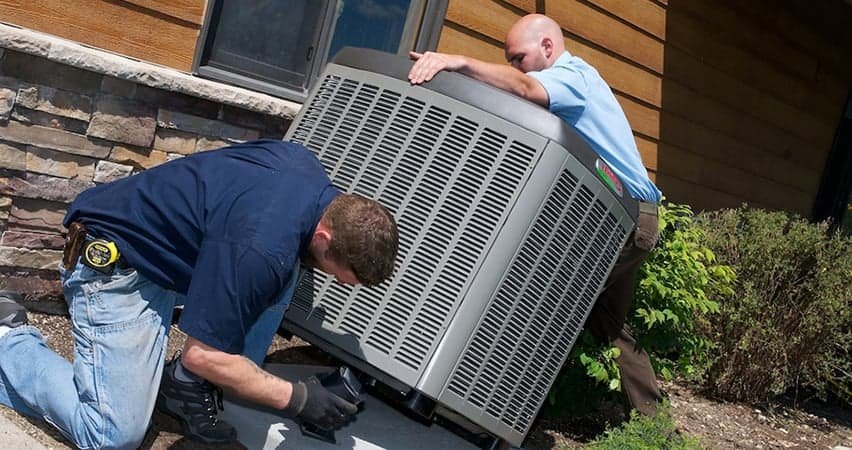
After selecting a new system, proper installation is essential for achieving maximum performance. The indoor unit should be placed where air can circulate freely without obstruction. The outdoor unit must be installed in a well-ventilated area to ensure proper heat release.
Copper piping, drainage, and electrical connections must be installed carefully to avoid leakage or safety issues. A vacuum process is performed to remove air and moisture from the system before starting it.
Professional handling is important during installation because incorrect setup can reduce efficiency and cause future problems. This is why services like ac replacement are important for ensuring proper removal of the old system and correct installation of the new one.
Energy Savings with New Technology
One of the main reasons people choose replacement is energy savings. Modern air conditioners consume much less electricity compared to older models. This is because they use advanced compressors and inverter technology that adjust speed according to cooling demand.
Old systems operate at fixed speed, which leads to higher energy consumption even when full cooling is not needed. Over time, switching to a new system can significantly reduce electricity bills and operational costs.
Energy-efficient systems also reduce environmental impact by lowering carbon emissions, making them a better choice for sustainable living.
Environmental Benefits of Replacement
Replacing an old cooling system also has environmental advantages. Older systems often use outdated refrigerants that are harmful to the environment. Modern systems use eco-friendly refrigerants that reduce environmental damage.
Energy-efficient systems also reduce electricity demand, which indirectly lowers carbon emissions from power plants. Proper disposal of old systems also ensures that harmful materials are handled safely.By upgrading to a new system, users contribute to environmental protection while improving their own comfort.
Maintenance After Replacement
Even after installing a new system, regular maintenance is still necessary for long-term performance. Cleaning filters regularly ensures proper airflow and cooling efficiency. Outdoor units should be kept clean to avoid blockage.
Refrigerant levels and electrical connections should be checked periodically to ensure smooth operation. Regular servicing helps maintain efficiency and prevents unexpected breakdowns.
A well-maintained new system can last many years and provide consistent performance without major issues.
Warning Signs Before Replacement
There are several signs that indicate replacement may be necessary. Frequent repairs and rising maintenance costs are major indicators. If the system struggles to cool even after servicing, it is a strong sign of reduced efficiency.
High electricity bills without increased usage also suggest that the system is outdated. Strange noises, leakage issues, and poor airflow are additional warning signs.If multiple problems occur at the same time, replacement becomes more practical than repeated repairs.
Long-Term Value of AC Replacement
Replacing an old system provides long-term value in terms of comfort, savings, and reliability. A new system ensures better cooling performance, lower electricity bills, and improved air quality.
It also reduces the stress of frequent repairs and unexpected breakdowns. Over time, the investment in a new system pays off through reduced maintenance costs and energy savings.Modern systems also offer smart features and better temperature control, making daily life more comfortable and efficient.
Final Thoughts on AC Replacement
AC replacement is an important decision when an old system no longer performs efficiently or becomes too expensive to maintain. Instead of spending money on repeated repairs, upgrading to a new system provides better cooling, energy savings, and long-term reliability.
Proper selection, professional installation, and regular maintenance ensure that the new system performs at its best for many years. Services like ac replacement help users remove old systems safely and install new ones with proper technical handling.
A well-planned replacement not only improves comfort but also reduces long-term costs and enhances overall indoor living conditions, making it a smart investment for the future.