



Introduction
The construction industry plays a foundational role in shaping modern societies, from residential housing and commercial complexes to industrial facilities and infrastructure development. Among the most significant activities in this sector is new construction, which refers to building structures from the ground up rather than renovating or modifying existing ones. This process involves a combination of architectural planning, engineering design, material selection, regulatory approval, and skilled labor execution.
New construction projects are complex undertakings that require careful coordination among multiple stakeholders, including architects, engineers, contractors, suppliers, and regulatory authorities. Each phase must be executed with precision to ensure structural safety, functionality, sustainability, and long-term value. Understanding how these projects work provides valuable insight into how modern environments are created and maintained.
Understanding New Construction Projects
New construction refers to the complete development of a structure on a previously undeveloped or cleared site. This process begins with conceptual design and continues through to final completion and occupancy. Unlike renovation projects, which modify existing buildings, new construction allows full flexibility in design, layout, and material selection.
These projects vary widely in scale and complexity. Residential homes, apartment buildings, commercial offices, hospitals, schools, and infrastructure systems such as roads and bridges all fall under the category of new construction. Each type has unique requirements, building codes, and engineering challenges.
The success of any project depends on careful planning and execution, ensuring that every stage aligns with safety standards, budget constraints, and functional requirements.
Planning and Design Phase
The planning phase is the foundation of any successful construction project. It begins with identifying the purpose of the structure and determining the needs of its future users. Architects and planners work closely with clients to develop conceptual designs that reflect both functionality and aesthetics.
During this stage, site analysis is conducted to evaluate soil conditions, topography, environmental impact, and accessibility. These factors influence the overall design and structural requirements of the building.
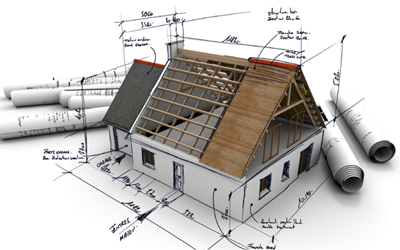
Architectural drawings and blueprints are created to provide a detailed visual representation of the structure. Engineers then review these designs to ensure structural integrity, electrical planning, plumbing systems, and mechanical layouts are properly integrated.
This phase also includes budgeting and feasibility studies. Accurate cost estimation is essential to avoid financial overruns during later stages of the project.
Permits and Regulatory Compliance
Before construction can begin, necessary permits must be obtained from local authorities. These permits ensure that the project complies with zoning laws, building codes, environmental regulations, and safety standards.
Regulatory compliance is a critical aspect of new construction, as it ensures that buildings are safe for occupancy and environmentally responsible. Inspections may be required at various stages of the project to verify adherence to approved plans.Failure to comply with regulations can result in delays, fines, or even project cancellation. Therefore, proper documentation and coordination with regulatory bodies are essential from the beginning.
Site Preparation and Groundwork
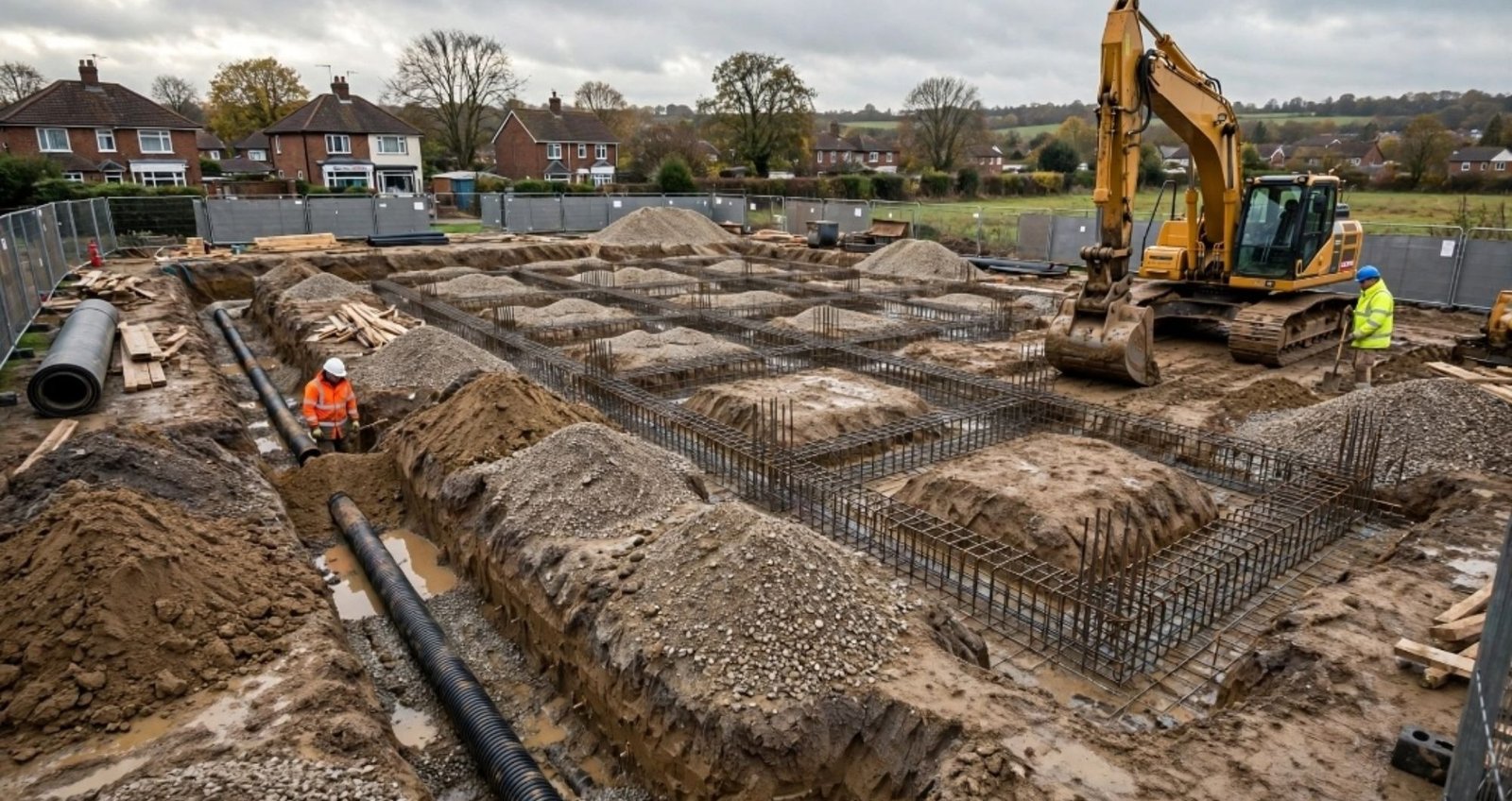
Once approvals are secured, the site preparation phase begins. This involves clearing the land of vegetation, debris, or existing structures. Grading and leveling are then performed to create a stable foundation for construction.
Soil testing is conducted to determine load-bearing capacity and identify any potential issues such as weak soil or underground water sources. Based on these results, foundation design is adjusted accordingly.Excavation work is carried out to prepare for foundation installation. This stage is crucial because a strong foundation determines the overall stability and durability of the structure.
Foundation Construction
The foundation is one of the most critical components of any building. It transfers the load of the structure to the ground and ensures stability over time. Common types of foundations include slab foundations, crawl space foundations, and deep foundations such as piles or piers.
Concrete is the most widely used material for foundation construction due to its strength and durability. Reinforcement with steel bars helps improve structural integrity and resistance to stress.Proper curing of concrete is essential to achieve maximum strength. Any errors during this phase can lead to long-term structural issues such as cracking or settling.
Structural Framework Development
After the foundation is complete, the structural framework of the building is constructed. This includes columns, beams, walls, and floor systems that form the skeleton of the structure.
Materials used in this phase vary depending on the type of building. Steel, concrete, and wood are commonly used, each offering different advantages in terms of strength, flexibility, and cost.The structural framework must be carefully engineered to support loads such as occupants, furniture, equipment, and environmental forces like wind and earthquakes. Precision during this stage is essential to ensure safety and durability.
Installation of Mechanical, Electrical, and Plumbing Systems
Once the structural framework is in place, essential systems such as mechanical, electrical, and plumbing (MEP) are installed. These systems are critical for the functionality of the building.
Electrical systems include wiring, lighting, power distribution, and backup systems. Plumbing systems involve water supply, drainage, and sanitation infrastructure. Mechanical systems include heating, ventilation, and air conditioning (HVAC), which regulate indoor comfort and air quality.Proper integration of these systems is essential to avoid conflicts and ensure efficient operation. Coordination between engineers and contractors is required to ensure seamless installation.
Interior and Exterior Finishing
After the core systems are installed, the finishing phase begins. This includes both interior and exterior work that gives the building its final appearance and functionality.
Interior finishing involves flooring, painting, ceiling installation, cabinetry, and fixtures. These elements contribute to the aesthetic appeal and usability of interior spaces.Exterior finishing includes cladding, roofing, insulation, and landscaping. These components protect the structure from environmental elements and enhance visual appeal.Attention to detail is important during this phase, as it directly impacts user experience and property value.
Quality Control and Inspections
Quality control is an ongoing process throughout construction. Regular inspections are conducted to ensure that all work meets required standards and specifications.
Structural integrity, material quality, system functionality, and safety compliance are all evaluated during inspections. Any issues identified must be corrected before proceeding to the next phase.Independent inspectors may also be involved to provide unbiased assessments of the construction quality.
Challenges in New Construction
New construction projects often face a variety of challenges. One of the most common issues is budget overruns caused by unexpected costs or design changes.Delays in material supply or labor shortages can also impact project timelines. Weather conditions may further complicate construction schedules, especially in outdoor projects.Coordination between multiple teams is another challenge, as miscommunication can lead to errors or inefficiencies. Proper project management is essential to address these issues effectively.
Technology has significantly transformed the construction industry in recent years. Digital tools such as Building Information Modeling (BIM) allow for detailed 3D visualization of projects before construction begins.Drones are used for site surveys and progress monitoring, while automated machinery improves efficiency and precision in construction tasks. Project management software helps track timelines, budgets, and resources in real time.These advancements have improved accuracy, reduced costs, and enhanced overall project efficiency.
Sustainability in New Construction
Sustainability has become a major focus in modern construction practices. Environmentally friendly materials, energy-efficient designs, and waste reduction strategies are increasingly being adopted.Green building practices aim to minimize environmental impact while maximizing energy efficiency. This includes the use of renewable energy sources, efficient insulation systems, and water-saving technologies.Sustainable construction not only benefits the environment but also reduces long-term operating costs for building owners.
Safety is a top priority in all construction projects. Workers are required to follow strict safety protocols to prevent accidents and injuries on site.Protective equipment such as helmets, gloves, harnesses, and safety boots must be worn at all times. Regular safety training and hazard assessments are conducted to maintain a safe working environment.Proper site management also plays a key role in ensuring safety by minimizing risks associated with heavy machinery, electrical systems, and elevated work areas.
Project Completion and Handover
Once construction is complete, final inspections are conducted to ensure that all aspects of the project meet required standards. Any remaining issues must be resolved before handover.The building is then cleaned and prepared for occupancy. Documentation, warranties, and maintenance guidelines are provided to the owner.This final stage marks the transition from construction to operational use, completing the entire development process.
Conclusion
New construction is a complex and highly coordinated process that transforms ideas into functional structures. From initial planning and design to final completion, each stage requires careful attention to detail, technical expertise, and effective management.
Despite the challenges involved, successful construction projects contribute significantly to economic growth, urban development, and improved living standards. Advances in technology and sustainable practices continue to shape the future of the industry, making it more efficient, environmentally responsible, and innovative.
Ultimately, new construction represents more than just building structures—it reflects progress, development, and the continuous evolution of modern society.