




Hot water is an essential part of modern living, used daily for bathing, cleaning, cooking, and sanitation. Because of its constant demand, a properly functioning water heating system is critical in both residential and commercial properties. Whether replacing an outdated unit or installing a new system for the first time, understanding the installation process is important for ensuring safety, efficiency, and long-term reliability. Poor installation can lead to energy waste, inconsistent heating, leaks, or even serious safety hazards, making professional planning and execution extremely important.
A water heater is not just a simple appliance; it is a connected system that interacts with plumbing lines, electrical supply or gas connections, and temperature control mechanisms. Each component must be installed correctly to ensure safe operation. This is why careful planning and expert handling are essential when dealing with any new setup or replacement project.
Understanding Different Types of Water Heating Systems
Before beginning installation, it is important to understand the different types of water heaters available. The most common option is the storage tank water heater, which heats and stores water in an insulated tank until it is needed. These systems are widely used due to their affordability and simplicity.
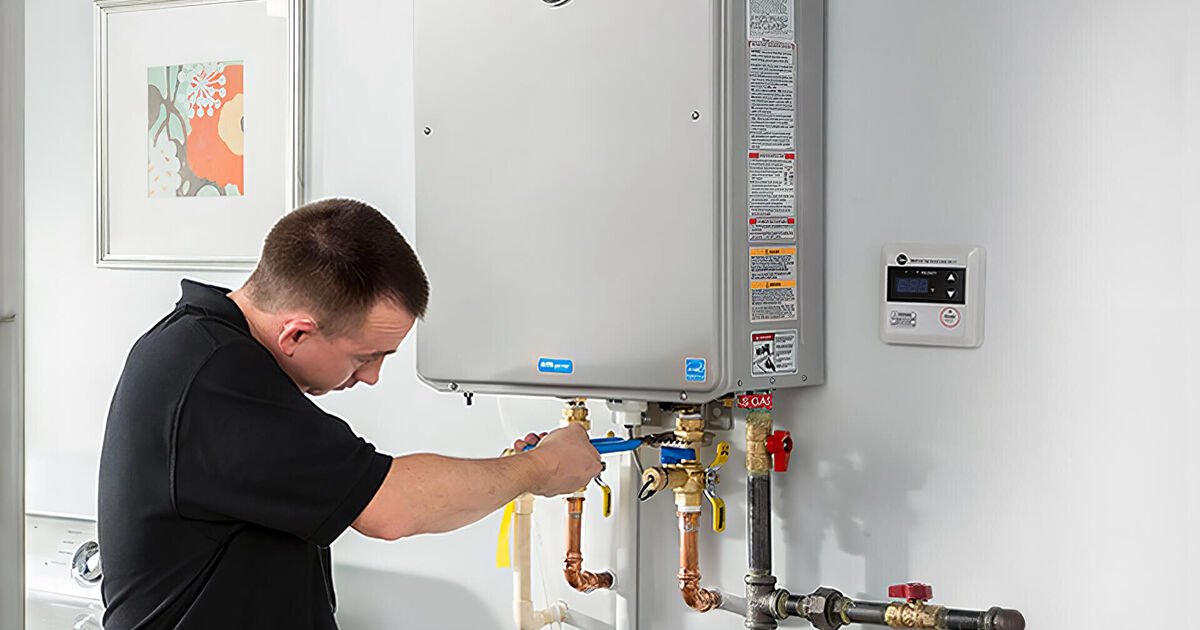
Another popular option is the tankless water heater, which heats water instantly as it flows through the unit. This type is more energy-efficient because it does not continuously store hot water, reducing standby heat loss.
There are also hybrid systems that combine features of both tank and tankless models, offering improved efficiency and performance. Solar water heaters are another environmentally friendly option that uses solar energy to heat water, reducing reliance on electricity or gas.Each type has different installation requirements, space needs, and energy consumption patterns. Choosing the right system depends on household size, usage habits, and budget considerations.
Planning Before Installation Begins
Proper planning is the foundation of a successful installation. The first step involves selecting the right capacity based on household water usage. A unit that is too small will struggle to meet demand, while an oversized system can waste energy.
Location is another important factor. Water heaters should be installed in a well-ventilated area with proper drainage and easy access for maintenance. Basements, utility rooms, and dedicated service areas are common installation locations.
It is also necessary to evaluate existing plumbing and electrical or gas connections. Compatibility with the new system ensures smooth installation and safe operation. In some cases, upgrades to piping or electrical systems may be required before installation can proceed.Proper planning reduces complications during installation and ensures the system performs efficiently from the start.
Step-by-Step Installation Process Overview
The installation process varies depending on the type of water heater, but generally follows a structured sequence. The first step involves safely removing the old unit if a replacement is being performed. This includes shutting off the water supply, disconnecting power or gas lines, and draining the tank.
Once the old system is removed, the installation area is prepared. This may involve leveling the surface, adjusting pipe connections, or installing mounting supports for wall-mounted units.
The new water heater is then positioned and connected to the plumbing system. Cold water supply lines and hot water output lines must be securely attached to prevent leaks. Proper sealing techniques are used to ensure tight connections.
For electric systems, wiring is connected to the power source according to manufacturer specifications. For gas systems, secure gas line connections and ventilation setup are essential for safe operation.After all connections are completed, the system is filled with water and tested for leaks, pressure stability, and proper heating function. This ensures everything is working correctly before regular use begins.
Importance of Safety During Installation
Safety is one of the most critical aspects of water heater installation. Since the process involves water, electricity, or gas, any mistake can lead to serious hazards such as leaks, electrical shocks, or gas exposure.
Proper shutdown of utilities before installation is essential. Water supply must be turned off, and electrical or gas lines must be safely disconnected. Ventilation is also important, especially for gas-powered systems, to prevent the buildup of harmful gases.
Pressure relief valves must be installed correctly to prevent excessive pressure buildup inside the tank. This safety component plays a key role in preventing explosions or system damage.Because of these risks, professional handling is strongly recommended for any water heater installation project. Proper training and tools ensure that safety standards are maintained throughout the process.
Common Mistakes During Installation
Improper installation can lead to long-term problems and reduced system performance. One common mistake is incorrect pipe connections, which can cause leaks or water flow issues.
Another issue is improper sizing of the unit. Choosing a system that does not match household demand results in inefficiency and inconsistent heating.Poor ventilation in gas systems can lead to dangerous gas buildup, while incorrect electrical wiring can cause system failure or safety hazards.
Skipping pressure testing after installation is another mistake that can result in undetected leaks or system instability.Avoiding these errors is essential for ensuring reliable performance and long-term durability.
Benefits of Professional Installation
Hiring a qualified technician for installation provides several important advantages. Professionals ensure that the system is installed according to manufacturer guidelines and local safety codes.
They also have the expertise to identify potential issues with plumbing, wiring, or gas lines before they become serious problems. This reduces the risk of future repairs and improves system reliability.
Professional installation also ensures optimal energy efficiency. A correctly installed system uses less energy to heat water, reducing utility costs over time.In addition, professional services often include warranties or service guarantees, providing added peace of mind for property owners.For these reasons, many homeowners prefer expert handling for any water heater installation rather than attempting complex DIY methods.
Energy Efficiency and System Performance
Proper installation has a direct impact on energy efficiency. When a system is correctly sized, sealed, and connected, it operates more efficiently and consumes less energy.
Insulation also plays an important role. Properly insulated tanks and pipes reduce heat loss, allowing water to remain hot for longer periods without additional energy consumption.Temperature settings should be adjusted to recommended levels. Overheating water wastes energy and increases operating costs, while low temperatures may not meet household needs.Efficient installation ensures that the system performs consistently while minimizing energy usage.
Maintenance After Installation
Once the system is installed, regular maintenance is necessary to ensure long-term performance. Flushing the tank periodically helps remove sediment buildup that can reduce efficiency.
Checking pressure relief valves ensures continued safety. Inspecting connections for leaks helps prevent water damage and system inefficiency.
For tankless systems, descaling may be required to remove mineral buildup. Regular inspections help identify early signs of wear or malfunction.Proper maintenance extends system lifespan and ensures consistent hot water supply.
Cost Considerations and Long-Term Value
The cost of water heater installation depends on system type, complexity, and any additional plumbing or electrical work required. Tankless systems often have higher upfront installation costs but provide long-term energy savings.
Traditional storage systems are generally more affordable initially but may have higher operating costs over time.Despite initial expenses, a properly installed system provides long-term value through improved efficiency, reduced repair costs, and reliable performance.Investing in quality installation ensures fewer problems and better return on investment over time.
Final Thoughts on Proper Water Heating Setup
A water heating system is a vital part of any modern property, and its performance depends heavily on correct installation. From selecting the right unit to ensuring safe connections and proper testing, every step plays a crucial role in system reliability.
Careful planning, attention to safety, and professional execution ensure that the system operates efficiently and safely for years to come. Poor installation can lead to ongoing issues, but a properly installed system delivers consistent comfort and energy savings.
Ultimately, a well-executed water heater installation is not just about setting up equipment—it is about ensuring long-term safety, efficiency, and dependable access to hot water in everyday life.