





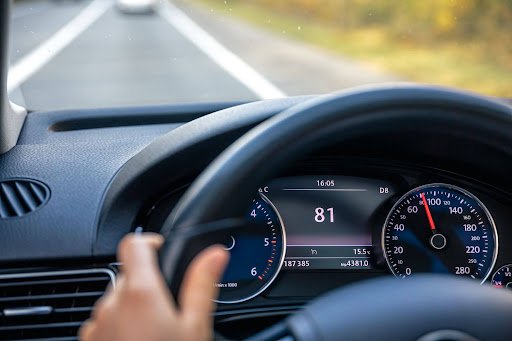
When it comes to car valuation, mileage is one of the most influential factors affecting a vehicle’s market value. Whether you’re planning to sell your car, buy a used vehicle, or simply use a car value checker to understand its worth, mileage can significantly impact the final valuation.
Many motorists focus on a vehicle’s age, appearance, or features when assessing its value. However, buyers, dealers, and valuation experts often place considerable emphasis on mileage because it provides insight into how much a vehicle has been used throughout its lifetime. As a result, mileage plays a major role in determining vehicle worth, depreciation, and overall market appeal.
Understanding how mileage affects car valuation can help buyers avoid overpaying, assist sellers in setting realistic asking prices, and provide a clearer picture of a vehicle’s position within the used car market. Drivers can also check their car’s value using Check Car Value to better understand how mileage influences vehicle worth and market pricing.
Why Mileage Matters in Car Valuation
Mileage provides a clear indication of how much a vehicle has been used throughout its lifetime. In general, vehicles with lower mileage are perceived as less worn and potentially more reliable, making them more attractive to buyers.
For this reason, mileage is one of the key data points considered during a car valuation. It helps buyers estimate future maintenance costs and gives sellers an indication of where their vehicle sits within the market.
However, mileage alone does not determine a vehicle’s worth. It must be assessed alongside other factors such as service history, condition, ownership history, and current market demand.
Low Mileage vs High Mileage Vehicles
A common assumption is that low mileage automatically means higher value. While this is often true, the reality is more nuanced.
A low-mileage vehicle that has been poorly maintained may be less desirable than a higher-mileage vehicle with a complete service history and excellent condition.
Similarly, a vehicle that has accumulated motorway miles may experience less wear than a vehicle with lower mileage that has spent most of its life in stop start urban traffic.
Modern vehicle valuation reports increasingly take these factors into account rather than relying solely on mileage figures.
Mileage Bands and Their Effect on Vehicle Worth
Most vehicles are expected to cover an average annual mileage. In the UK, this is often considered to be around 10,000 to 12,000 miles per year.
When a vehicle significantly exceeds this benchmark, buyers may perceive increased wear and tear, which can impact market value.
For example:
- A five year old vehicle with 40,000 miles may attract stronger buyer interest than a similar vehicle with 90,000 miles.
- Lower mileage vehicles often command higher retail prices.
- Higher mileage vehicles may experience greater depreciation and lower trade values.
Understanding where a vehicle sits within expected mileage ranges can provide valuable context when assessing its market worth.
How Buyers Use Mileage During Vehicle Research
Today’s car buyers are more informed than ever before. Before making a purchase, many motorists use a car value checker to compare asking prices with estimated market values.
Mileage is one of the first figures buyers review because it helps them assess whether a vehicle is fairly priced.
If two similar vehicles are available at comparable prices, buyers will often favour the lower mileage . This can influence demand levels and ultimately affect vehicle pricing.
As a result, sellers should understand how mileage impacts buyer perception before listing a vehicle for sale.
The Relationship Between Mileage and Depreciation
Depreciation is one of the biggest costs associated with vehicle ownership, and mileage plays a significant role in this process.
As mileage increases, a vehicle’s value typically decreases because buyers associate higher mileage with greater wear and a potentially shorter lifespan.
However, depreciation does not occur at a fixed rate. Market demand, vehicle reliability, fuel type, and brand reputation can all influence how mileage affects pricing.
Certain vehicles retain strong values despite higher mileage due to their reputation for durability and long term reliability.
This highlights the importance of looking beyond a single valuation figure and considering the broader factors influencing vehicle worth.
Why Detailed Valuation Reports Matter
Traditional valuation tools often provide a basic estimate without explaining how mileage impacts the result.
Modern valuation platforms are increasingly moving towards more detailed analysis that helps users understand the relationship between mileage and pricing.
A comprehensive car valuation report may include:
- Mileage impact analysis
- Valuation bands
- Market demand insights
- Retail pricing indicators
- Dealer forecourt value guidance
- Vehicle desirability assessments
These insights help motorists understand not only what a vehicle may be worth but also the factors contributing to that valuation.
Making Smarter Decisions with Vehicle Valuation Insights
For buyers, understanding mileage impact can help avoid overpaying for a vehicle that appears attractively priced but carries above average mileage.
For sellers, knowing how mileage affects market value can support realistic pricing strategies and improve negotiation outcomes.
This is where platforms such as Check Car Value provide additional value. Rather than relying on a simple estimate, motorists can access valuation reports that provide greater context around vehicle worth, mileage influence, market trends, and pricing intelligence.
To make these insights accessible, valuation packages are available at:
- Single Valuation – £9.99
- 3 Valuation Bundle – £19.99
- 5 Valuation Bundle – £29.99
- 10 Valuation Bundle – £49.99
These options are particularly useful for buyers comparing multiple vehicles, sellers researching asking prices, and traders seeking broader market visibility.
Final Thoughts
Mileage remains one of the most important factors influencing car valuation, but it should never be viewed in isolation.
While lower mileage often contributes to stronger vehicle values, factors such as vehicle condition, market demand, and ownership history also play significant roles in determining worth.
For motorists looking to understand vehicle pricing more accurately, using a reliable car value checker like Check Car Value and reviewing a detailed vehicle valuation report can provide valuable insights into how mileage affects market value.
Ultimately, understanding the relationship between mileage and vehicle worth allows buyers and sellers to make more informed decisions and navigate the used car market with greater confidence.