




The alb vestment remains one of the most recognisable and significant garments worn by clergy during Christian worship. Across churches and denominations, the alb vestment symbolises purity, devotion, and readiness for sacred ministry. Whether used during daily services, special liturgical celebrations, or ceremonial occasions, this traditional garment continues to hold an essential place within ecclesiastical attire.
In modern times, the alb vestment is not only seen as a symbol of the spiritual life of the church but also because of its practical and comfortable use, along with its beautiful and elegant design. Vestments have continued to change over the years and now modern designs are conceived using traditional artistry and top-quality fabric to cater to the needs of today’s clergy.
What Is an Alb Vestment?
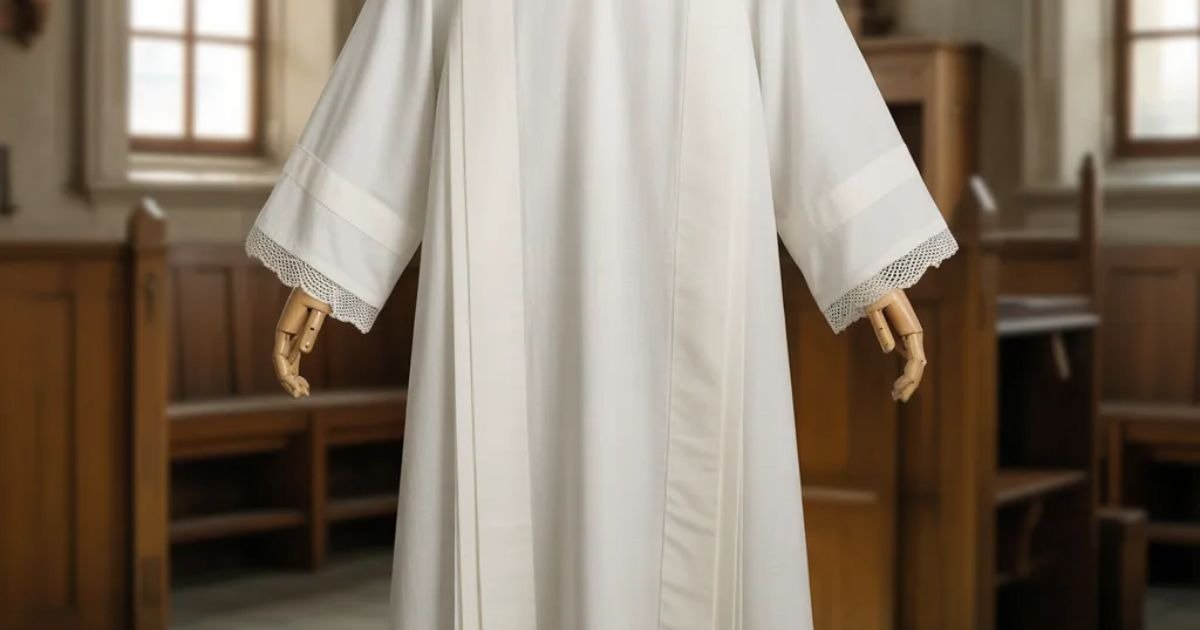
An alb is a long white gown worn by the priest, deacon, bishop, acolyte and other ministers when attending to the service. Alb derives from the Latin albus, meaning ‘white’, and the garment’s traditional white colour symbolises purity.
Usually, the alb is worn over normal clothes and under the other liturgical vestments when necessary. It is simple in design, giving it a dignified look, and respects the sacred traditions of Christian worship.
The Historical Origins of the Alb Vestment
The history of the alb vestment can be traced back to the early centuries of Christianity. Originally inspired by the common tunics worn throughout the Roman world, the garment gradually became reserved for religious use as church practices developed.
Over time, the alb evolved into a distinctive liturgical vestment associated with ordained ministry and sacred service. Throughout medieval and modern church history, it has remained one of the most enduring items of clergy attire.
Its continued use demonstrates the Church’s commitment to preserving traditions while adapting to contemporary worship needs.
Symbolism Behind the Alb Vestment
Each element of the alb vestment has a spiritual meaning. The white colour traditionally means:
- Purity of heart
- Holiness and righteousness
- Baptismal renewal
- Service before God
- Spiritual preparation for worship
For those who wear an alb, it is a symbol of their baptismal promises and the ministry to which they are called. The garment is a symbol of humility and also highlights the sacred nature of the liturgical obligations.
Key Features of a Quality Alb Vestment
Today’s church suppliers provide albs that strike a harmonious balance between tradition and comfort. Good-quality clothing may have well-thought-out features that facilitate routine use during worship.
Important characteristics include:
- Durable construction
- Comfortable fit
- Elegant tailoring
- Easy maintenance
- Lightweight fabric options
- Traditional liturgical styling
The features are designed to ensure that clergy can devote their attention to worship and ministry without distraction.
Fabrics Commonly Used in Alb Vestments
The choice of vestment fabric can significantly affect the appearance and usefulness of the vestment. The type of clothing worn by the clergy and in churches is often chosen for comfort, climate, and use.
These fabrics are popular choices:
- Polyester blends
- Lightweight synthetic materials
- Cotton-rich fabrics
- Easy-care textile combinations
- Breathable liturgical fabrics
Many contemporary suppliers offer garments that combine durability with a refined appearance suitable for both regular and ceremonial use.
Different Styles of Alb Vestment
The alb is a traditional style, but there are different styles for various liturgical and church traditions.
Common variations include:
- Plain albs
- Pleated albs
- Monastic-style albs
- Gothic-inspired designs
- Albs with decorative cuffs
- Albs featuring embroidered detailing
These options allow churches to maintain consistency with their worship practices while reflecting their unique liturgical identity.
The Role of the Alb Vestment in Modern Worship
The alb is still used in present-day liturgical services. It ensures uniformity in the appearance of the ministers and strengthens the dignity of worship.
Liturgical vestments create continuity in the visual aspects of services, a feature welcomed by many congregations. The alb is an integral part of a church’s wardrobe, and is worn throughout the rites of Holy Communion, at baptisms, weddings, funerals or during the seasons. It is versatile enough for use in formal ceremonies as well as in the weekly worship service.
Choosing the Right Alb Vestment
There are several factors to consider when choosing the right alb vestment. Because churches and clergy members wear garments every day, they have a keen interest in quality, comfort and appropriateness for the functions to which they put them.
In selecting an alb, keep in mind:
- Fabric quality
- Ease of care
- Liturgical tradition
- Fit and sizing
- Frequency of use
- Design preferences
Buying a quality piece of clothing can provide many years of wear and maintain a professional, dignified look.
Coordinating Alb Vestments with Other Church Vestments
Often, the alb forms the basis of an entire liturgical garment. It is also worn with other church vestments and accessories, depending on the service that is being performed.
Common accessories are:
- Stoles
- Chasubles
- Copes
- Cassocks
- Surplices
- Clerical accessories
These items make a coherent and meaningful whole that contributes to the life of the church in its liturgical context.
Why Quality Church Vestments Matter
The church’s vestments are important to the worship experience if they are of good quality. When you’re designing clothing for people serving in the church, it’s important to show respect for their traditions while keeping them comfortable.
Alb vestments that are professionally made provide:
- Long-lasting durability
- Consistent appearance
- Enhanced comfort
- Traditional styling
- Reliable performance during services
Reputable suppliers of ecclesiastical wear can also offer a wide range of liturgical clothing for use during different seasons and occasions at the church.
Conclusion
The alb continues to be a fundamental element of the Christian liturgical vestments, symbolising purity, service and devotion. It has a rich history and meaning, and remains an essential piece of apparel for clergy and church ministers.
The alb is a classic option that remains popular in churches today, as they seek new pieces that are both traditional and modern. Well-designed church clothes maintain the dignity of worship, aid the clergy in their ministry and ensure the continuity of the liturgical heritage of the Church.