





Introduction
Mobility is one of the key factors in healthy aging. The right walking stick can help increase confidence and decrease fall risks as seniors age and changes in their balance, strength, flexibility or recovery from surgery or injury occur. Some mobility devices are made to address a range of mobility support needs, from helping with balance to providing stability for recovery.
Knowing what each walking aid does and how it works will assist seniors and caregivers to choose the walking aid that is right for them, based on comfort, safety and lifestyle. Choosing the right mobility aid can enhance independence and daily living for those who need a bit of help getting around or a lot of help during rehab.
Walking Canes: Simple Support for Mild Balance Needs
Walkers or walking sticks are one of the most popular mobility devices for the elderly. They are light, easy to carry and useful for those who require a bit of help maintaining balance or walking stability. Older people opt for canes when they have a little weakness in one leg, when dizziness occasionally occurs or when they are not confident to walk on uneven surfaces.
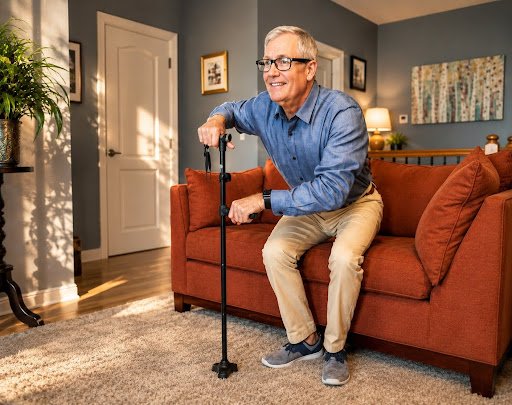
They come in various styles such as single-point and best walking canes for seniors. When deciding on a walking stick, some senior citizens also investigate the best Walking Cane For Seniors for features like ergonomic handle, foldable design, or better grip for everyday walking.
Walking sticks are best for people who are reasonably active and independent, but do require some support when walking. They are typically used in:
- Walking outdoors
- Navigating stairs
- Short-distance mobility support
- Mild arthritis-related discomfort
- Improving posture and balance
Canes are convenient and portable, but offer the least stability of any walking aid. Older adults who have extreme balance issues or a high level of weakness may need more assistive technology.
Quad Canes: Added Stability for Greater Confidence
Quad canes look very much like a walking cane, however, they have a wider bottom with four points. This design makes it easier for the cane to stand up without toppling over and gives it stability. Quad canes are useful for seniors with greater needs than just a standard cane.
These mobility devices are particularly useful for those who have had a stroke, hip surgery or any problem with the strength of one side of their body. The wider base distributes weight evenly, which builds more confidence when moving.
Quad canes are commonly recommended for seniors who:
- Need moderate balance assistance
- Have reduced leg strength
- Require extra support indoors
- Experience instability while standing up or sitting down
Quads offer greater stability, but are slightly heavier and slower to maneuver than single-point canes. Others might also prefer not to wear them in smaller spaces or when there is a lot of congestion.
Standard Walkers: Reliable Support for Recovery and Rehabilitation
Standard walkers offer a high level of stability and are commonly used during recovery after surgery, injury or illness. The walkers have a robust metal structure with four legs attached and will not tip over while the person walks.
Standard walkers need to be lifted with every step and are more appropriate for slower walking speeds and controlled indoor use. These are often prescribed for elderly people who suffer from the following medical conditions:
- Knee replacement surgery
- Hip replacement procedures
- Fractures or injuries
- Severe balance difficulties
- Muscle weakness after hospitalization
One of the key advantages of standard walkers is maximum support. They can decrease the stress on the legs and general balance while walking. When recovering from being in bed or trying to move from bed to standing position, many seniors feel more secure when using a walker.
Standard walkers may not suit people who like to move quickly or those who have to go a long distance outdoors. They are not formulated for quick moving speed but for stability.
Rollators: Flexible Mobility Support for Active Seniors
Rollators are a type of walker that is used by elderly people who need to have assistance with their balance without giving up an active lifestyle. Rollators differ from standard walkers by having wheels, hand brakes and sometimes a seat for resting on during longer walks.
They are popular because they offer support along with comfort and promote physical activity. Rollators help many seniors walk more easily and with less strain when shopping, going outside or participating in social events. Today, the rollator is often seen as a contributing factor to a wider suite of mobility support solutions, designed to enable seniors to live independently and less fatigued when doing everyday tasks.
They have storage compartments, padded seats and adjustable handles, making them convenient for everyday use.
Rollators are most suitable for seniors who:
- Need moderate balance support
- Can walk independently but tire easily
- Want assistance during outdoor activities
- Require occasional seated rest breaks
- Need support without sacrificing mobility speed
While convenient, rollators are not as stable as a traditional walker due to the wheels. They may not be suitable for older adults with extreme balance problems or a lot of difficulty moving.
Recovery Walking Aids and Rehabilitation Support
Mobility aids for recovery frequently are chosen for short-term use for medical reasons. Seniors need devices to facilitate increased movement and strength after surgery, injury or illness.
General guidelines are to use walking aids based on the stage of recovery. For example:
- Standard walkers may be used immediately after surgery
- Rollators may become appropriate as balance improves
- Canes or quad canes may later support independent mobility
Recovery walking aids help seniors:
- Reduce strain on healing joints
- Improve movement confidence
- Prevent falls during rehabilitation
- Encourage gradual physical activity
- Maintain independence while healing
Adjustment and usage is very significant during Recovery. An ill-fitting mobility device can cause discomfort, poor posture or a higher risk for falls. When using hand grips, seniors should make sure they fit naturally with their wrist level and they are not restricting the movement of their arms while walking.
Family members and caregivers also have a key role since they are expected to see if the device used to walk helps the user recover or not.
Comparing Stability Levels and Choosing the Right Walking Aid
Each walking aid offers varying degrees of balance assistance, mobility, versatility and independence. If you know about them, you can choose the right one for your senior. Lowest Stability refers to the walking sticks which are standard walkers.
Lowest Stability: Standard Walking Canes
Best for:
- Mild balance concerns
- Occasional support
- Active seniors with minor mobility changes
Advantages:
- Lightweight
- Portable
- Easy to use
Moderate Stability: Quad Canes
Best for:
- Uneven weight distribution
- Moderate weakness
- Extra indoor support
Advantages:
- Wider base
- Better standing balance
- More secure than single-point canes
High Stability: Rollators
Best for:
- Active seniors needing support
- Longer walking distances
- Outdoor movement
Advantages:
- Wheeled mobility
- Built-in seating
- Reduced walking fatigue
Maximum Stability: Standard Walkers
Best for:
- Post-surgery recovery
- Significant balance problems
- Rehabilitation support
Advantages:
- Strong support
- Improved safety
- Excellent weight distribution
There are a number of different factors to take into consideration when selecting the best mobility aid such as strength, endurance, balance, home environment and medical conditions. It is important to consult a physical therapist or healthcare provider to determine the safest and most comfortable solution.
Conclusion
Walking aids are vital tools for seniors to keep them independent, confident and safe when walking around on a daily basis. Each of the devices is designed for a specific function, depending on how mobile the user is and what their needs are. Differentiating between the various types of canes, quad canes, rollators and standard walkers can help seniors and caregivers make informed decisions about the type of walking aid that suits their comfort and well-being.
The appropriate mobility assistance can make a huge difference in their daily mobility and overall lifestyle, both in terms of temporary recovery and continued balance support.