



Heating, ventilation, and air conditioning systems play a vital role in maintaining indoor comfort in homes, offices, and commercial buildings. These systems regulate temperature, control humidity, and ensure healthy air circulation throughout the space. However, like any mechanical system, they require regular care and attention to function at their best.
This is where hvac maintenance becomes essential. It is not just a routine checkup; it is a comprehensive process that ensures your system runs efficiently, consumes less energy, and avoids unexpected breakdowns. Without proper maintenance, even the most advanced HVAC systems can lose efficiency over time, leading to higher energy bills and reduced comfort.In this detailed guide, we will explore everything you need to know about HVAC care, including its importance, key components, maintenance steps, common issues, and long-term benefits.
Understanding the Importance of HVAC Care
Every HVAC system works continuously throughout the year, especially in regions with extreme weather conditions. Over time, dust, debris, and regular wear and tear affect performance. If these issues are ignored, they can lead to serious mechanical failures.
Regular servicing ensures that all components are working properly. It improves airflow, maintains temperature consistency, and enhances indoor air quality. More importantly, it reduces the chances of sudden breakdowns that can be costly and inconvenient.One of the most important reasons for routine system care is energy efficiency. A neglected system has to work harder to achieve the same level of cooling or heating, which results in increased electricity consumption. Proper maintenance ensures that the system operates smoothly without unnecessary strain.
Key Components That Require Regular Attention
An HVAC system consists of several interconnected components, each playing a specific role in overall performance. Understanding these parts helps in identifying potential issues early.The air filters are among the most important elements. They trap dust, pollen, and other airborne particles. When these filters become clogged, airflow is restricted, reducing system efficiency.
Coils are another critical component. The evaporator and condenser coils are responsible for heat exchange. If they become dirty, the system loses its ability to regulate temperature effectively.Fans and blowers help circulate air throughout the building. Any imbalance or dirt accumulation can lead to uneven airflow and increased energy consumption.Refrigerant levels also need to be monitored. Low refrigerant can indicate a leak, which directly impacts cooling performance and may damage the compressor if left unaddressed.Electrical connections and controls must also be inspected regularly to ensure safe and reliable operation.
Step-by-Step Overview of HVAC Maintenance Process
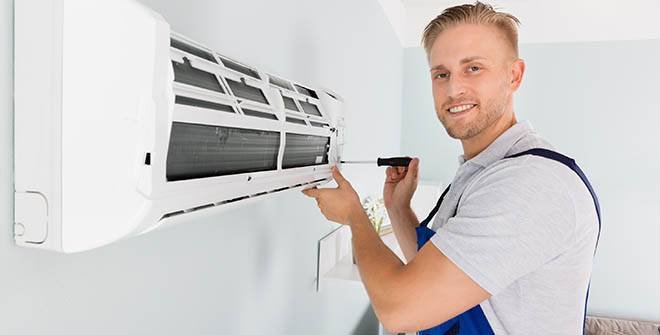
Proper system care involves a series of structured steps that ensure every part of the system is functioning efficiently.The first step is system inspection. Technicians examine both indoor and outdoor units to identify visible issues such as dust buildup, leaks, or unusual wear.Next comes cleaning. Air filters are cleaned or replaced depending on their condition. Coils are carefully cleaned to restore heat exchange efficiency. Drain lines are also cleared to prevent water leakage and blockage.
Lubrication of moving parts is another important step. Fans and motors require smooth operation to prevent friction and overheating.After cleaning and lubrication, refrigerant levels are checked. If levels are low, the cause is identified and corrected before refilling.
Electrical systems are then tested for safety. Loose connections or faulty wiring can lead to serious hazards if not addressed.Finally, the system is tested to ensure everything is functioning correctly. Airflow, temperature control, and energy usage are evaluated to confirm optimal performance.
Benefits of Regular System Maintenance
Consistent system care offers several long-term advantages that go beyond simple comfort.One of the most significant benefits is improved energy efficiency. A well-maintained system uses less energy to produce the same cooling or heating output, which helps reduce utility bills.Another major advantage is extended system lifespan. When components are regularly cleaned and inspected, they experience less strain and wear, allowing the system to last longer.
Better indoor air quality is also a key benefit. Clean filters and ducts reduce dust, allergens, and pollutants, creating a healthier living environment.Regular maintenance also reduces repair costs. Small issues are identified early before they turn into major problems, saving both time and money.Additionally, system reliability improves significantly. Users experience fewer breakdowns and more consistent performance throughout the year.
Common HVAC Problems Caused by Neglect
Ignoring regular system care can lead to several avoidable issues. One of the most common problems is reduced airflow, often caused by clogged filters or blocked ducts.
Another frequent issue is uneven temperature distribution. Some rooms may feel too hot or too cold due to improper airflow balance.Refrigerant leaks are also a serious concern. They not only reduce cooling efficiency but can also damage internal components if not fixed promptly.
Unusual noises such as rattling, buzzing, or grinding often indicate mechanical problems that require immediate attention.Higher energy bills are another clear sign of system inefficiency caused by lack of maintenance.
Seasonal Maintenance Considerations
HVAC systems require different types of care depending on the season. Before summer, cooling systems should be thoroughly inspected to ensure they can handle increased demand. This includes checking refrigerant levels, cleaning coils, and testing airflow.
Before winter, heating components should be inspected and cleaned. Heat exchangers, burners, and thermostats must be checked to ensure safe operation.Seasonal maintenance helps prepare the system for peak usage periods, reducing the chances of breakdowns when the system is needed most.
DIY Care vs Professional Servicing
While some basic tasks can be performed by users, such as replacing filters or cleaning vents, most maintenance work requires professional expertise.
DIY care is useful for minor upkeep, but it cannot replace a full system inspection. Professional technicians have the tools and knowledge to identify hidden issues and perform detailed servicing.Relying solely on DIY methods may lead to incomplete maintenance, which can reduce system efficiency over time.
Energy Efficiency and Environmental Impact
A well-maintained HVAC system not only saves money but also reduces environmental impact. Efficient systems consume less electricity, which helps lower carbon emissions.Improving energy efficiency also reduces strain on power grids, especially during peak seasons. This makes regular system care an environmentally responsible practice.Simple actions like cleaning filters, sealing ducts, and ensuring proper insulation can significantly improve efficiency and sustainability.
Cost Factors of HVAC Maintenance
The cost of system care depends on several factors such as system size, type, and usage frequency. While some may view maintenance as an additional expense, it is actually a cost-saving investment.Regular servicing prevents expensive repairs and reduces energy consumption. Over time, the savings from improved efficiency far outweigh the cost of maintenance.Ignoring maintenance, on the other hand, can lead to major repairs or even full system replacement, which is significantly more expensive.
Long-Term Value of Preventive Care
Preventive maintenance is the most effective approach to ensuring long-term system performance. Instead of waiting for problems to occur, regular inspections help maintain consistent operation.
This approach improves reliability, enhances comfort, and ensures that the system performs efficiently throughout its lifespan.In the long run, preventive care also increases property value, as well-maintained systems are a key feature in residential and commercial spaces.
Conclusion
Proper HVAC care is essential for maintaining indoor comfort, energy efficiency, and system reliability. From improving air quality to reducing energy bills, the benefits of regular servicing are significant and long-lasting.
Understanding the importance of hvac maintenance helps users take proactive steps toward preserving system performance. When performed consistently, hvac maintenance ensures that heating and cooling systems operate efficiently, last longer, and deliver reliable comfort in all seasons.Investing time and attention in regular upkeep is not just about avoiding breakdowns it is about ensuring a healthier, more efficient, and more comfortable indoor environment for years to come.