





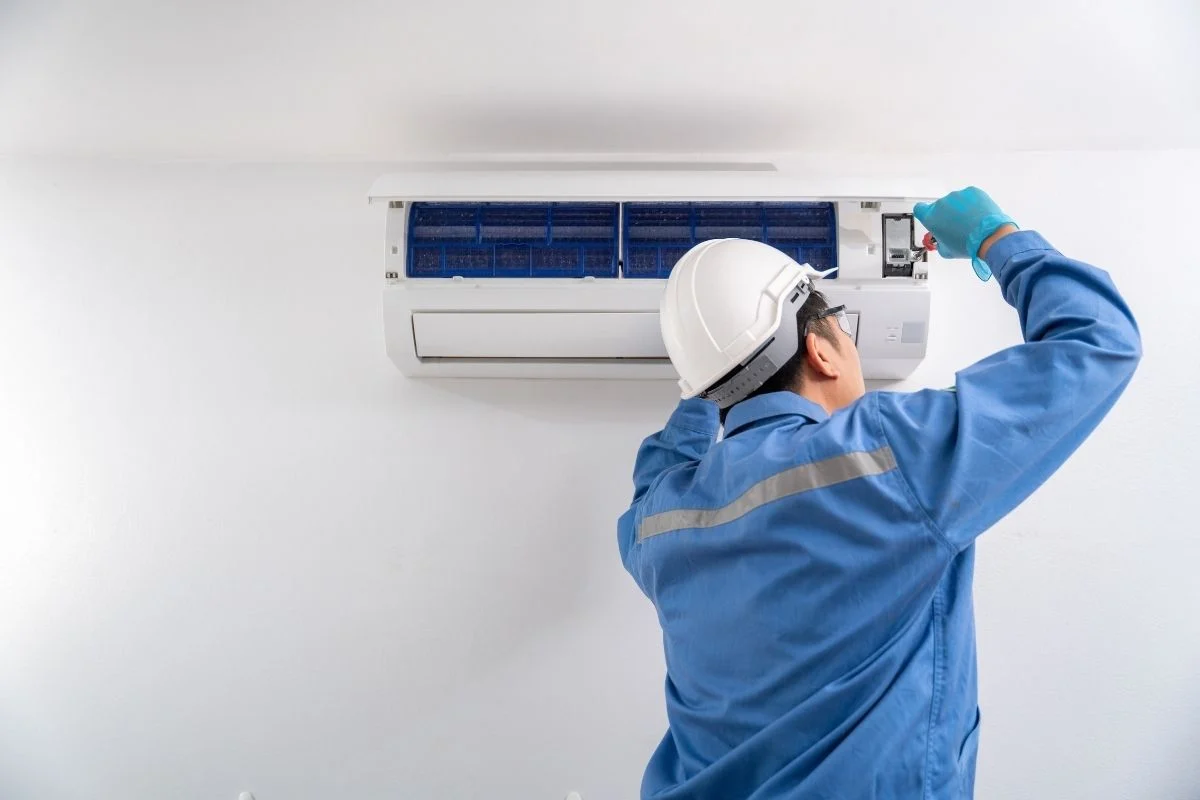
Introduction to AC Installation
Air conditioning has become an essential part of modern living, especially in regions where high temperatures can make indoor environments uncomfortable. AC installation is the process of setting up an air conditioning system in a way that ensures optimal cooling, energy efficiency, and long-term reliability. A properly installed system not only improves comfort but also reduces energy consumption and maintenance costs over time.
Many homeowners underestimate the importance of correct installation, assuming that simply placing a unit in position is enough. In reality, improper installation can lead to poor performance, higher electricity bills, and frequent breakdowns. Understanding the basics of AC installation helps ensure that your system operates efficiently from the start.
Types of Air Conditioning Systems
Before proceeding with AC installation, it is important to choose the right type of system based on your space, budget, and cooling needs.
Split Air Conditioners are among the most common systems used in homes. They consist of an indoor unit and an outdoor compressor, providing efficient cooling for individual rooms.
Window Air Conditioners are compact units installed in windows or wall openings. They are suitable for smaller spaces and are generally more affordable.
Central Air Conditioning Systems are designed to cool entire homes through a network of ducts. These systems are ideal for larger properties and provide consistent temperature control throughout the house.
Portable Air Conditioners offer flexibility as they can be moved from one room to another, although they are less powerful compared to fixed systems.
Selecting the right system is a critical step in ensuring effective AC installation and long-term satisfaction.
Importance of Proper AC Installation
Proper AC installation is essential for achieving maximum efficiency and performance. Even a high-quality air conditioner will not function effectively if it is installed incorrectly.Correct installation ensures that the system cools evenly, maintains consistent airflow, and operates within its designed capacity. It also prevents common issues such as refrigerant leaks, poor drainage, and electrical faults.
Additionally, proper installation helps extend the lifespan of the unit by reducing unnecessary strain on components. This leads to fewer repairs and lower maintenance costs over time.
Key Steps in the AC Installation Process
The AC installation process involves several important steps that must be carried out carefully to ensure optimal performance.The first step is selecting the appropriate location for both the indoor and outdoor units. The indoor unit should be placed where airflow can be distributed evenly, while the outdoor unit should be installed in a well-ventilated area.Next, mounting brackets are installed securely to support the units. Proper alignment is essential to prevent vibration and noise during operation.The installation of refrigerant lines and electrical connections follows. These components must be handled with precision to avoid leaks and ensure safe operation.Drainage systems are also set up to remove condensation effectively. Poor drainage can lead to water leakage and damage to surrounding areas.Finally, the system is tested to ensure it is functioning correctly and delivering the desired cooling performance.
Choosing the Right Location for Installation
The placement of an air conditioning unit plays a significant role in its performance. Poor placement can result in uneven cooling and increased energy consumption.The indoor unit should be installed at a height that allows cool air to circulate throughout the room. It should not be placed directly above heat sources or in areas with direct sunlight exposure.The outdoor unit requires adequate ventilation to dissipate heat effectively. It should be positioned away from obstructions and protected from excessive dust and debris.Proper spacing between the units and surrounding structures ensures efficient airflow and prevents overheating.
Many issues arise due to common mistakes made during installation. One frequent error is choosing an incorrectly sized unit. An oversized unit may cool the room quickly but fail to remove humidity, while an undersized unit will struggle to maintain temperature.Improper sealing of ducts or connections can lead to air leaks, reducing efficiency and increasing energy costs. Incorrect refrigerant levels can also affect cooling performance and damage the system.Another common mistake is neglecting proper drainage setup, which can cause water leakage and mold growth.Avoiding these mistakes is essential for ensuring a successful AC installation and reliable performance.
Benefits of Professional AC Installation
While some homeowners may consider installing an air conditioner themselves, professional installation offers significant advantages.Trained technicians have the expertise to handle complex components, ensuring that all connections are secure and properly configured. They also follow safety standards, reducing the risk of electrical hazards or system damage.
Professional installers can assess the specific requirements of your space and recommend the best placement and system type. This ensures optimal performance and energy efficiency.In addition, many manufacturers require professional installation to maintain warranty coverage, making it a worthwhile investment.A properly installed air conditioning system can significantly reduce energy consumption. Efficient cooling requires less power, resulting in lower electricity bills.Modern air conditioners are designed with energy-saving features such as inverter technology and programmable settings. However, these benefits can only be fully realized with correct installation.Sealing gaps, insulating ducts, and ensuring proper airflow all contribute to improved efficiency. Over time, these factors lead to substantial cost savings and reduced environmental impact.
Maintenance After AC Installation
Regular maintenance is essential to keep your air conditioning system running smoothly after installation. Even the best installation cannot prevent wear and tear over time.Cleaning or replacing air filters regularly helps maintain airflow and indoor air quality. Checking refrigerant levels and inspecting components ensures that the system operates efficiently.Professional servicing at least once a year is recommended to identify potential issues early and prevent major breakdowns.Proper maintenance extends the lifespan of the unit and ensures consistent cooling performance.Safety is a critical aspect of AC installation. Electrical connections must be handled carefully to prevent short circuits or fire hazards.Refrigerants used in air conditioning systems require proper handling, as leaks can be harmful to both health and the environment.Ensuring that the unit is securely mounted prevents accidents caused by falling equipment. Proper grounding and insulation are also essential for safe operation.Following safety guidelines and relying on trained professionals helps minimize risks associated with installation.
Cost Factors in AC Installation
The cost of AC installation varies depending on several factors, including the type of system, size of the unit, and complexity of the installation process.Split and central systems typically require higher installation costs due to additional components and labor. Window and portable units are generally more affordable to install.Additional expenses may include electrical upgrades, ductwork, and mounting materials. While initial costs may seem high, investing in quality installation ensures better performance and reduces long-term expenses.
Future Trends in Air Conditioning Installation
Advancements in technology are shaping the future of AC installation. Smart air conditioning systems that can be controlled through mobile devices are becoming increasingly popular.Energy-efficient designs and environmentally friendly refrigerants are also gaining attention as sustainability becomes a priority.Innovations in installation techniques are making the process faster and more precise, improving overall system performance.These trends are expected to make air conditioning systems more efficient, convenient, and environmentally responsible.
Conclusion
AC installation is a crucial step in ensuring effective cooling, energy efficiency, and long-term reliability. From selecting the right system to proper placement and professional setup, every aspect plays a role in the overall performance of the unit.By avoiding common mistakes, investing in professional services, and maintaining the system regularly, homeowners can enjoy consistent comfort and reduced energy costs.A well-installed air conditioning system not only enhances indoor comfort but also provides lasting value, making it an essential component of modern living.