




Siding plays a crucial role in defining the appearance, durability, and energy efficiency of a home. It acts as the first line of defense against environmental elements while also contributing significantly to curb appeal. Whether you are constructing a new house or upgrading an existing exterior, understanding siding and its importance can help you make better decisions that improve both functionality and long-term value. From material selection to installation and maintenance, every aspect of siding requires careful consideration to ensure lasting performance.
Understanding the Purpose of Siding
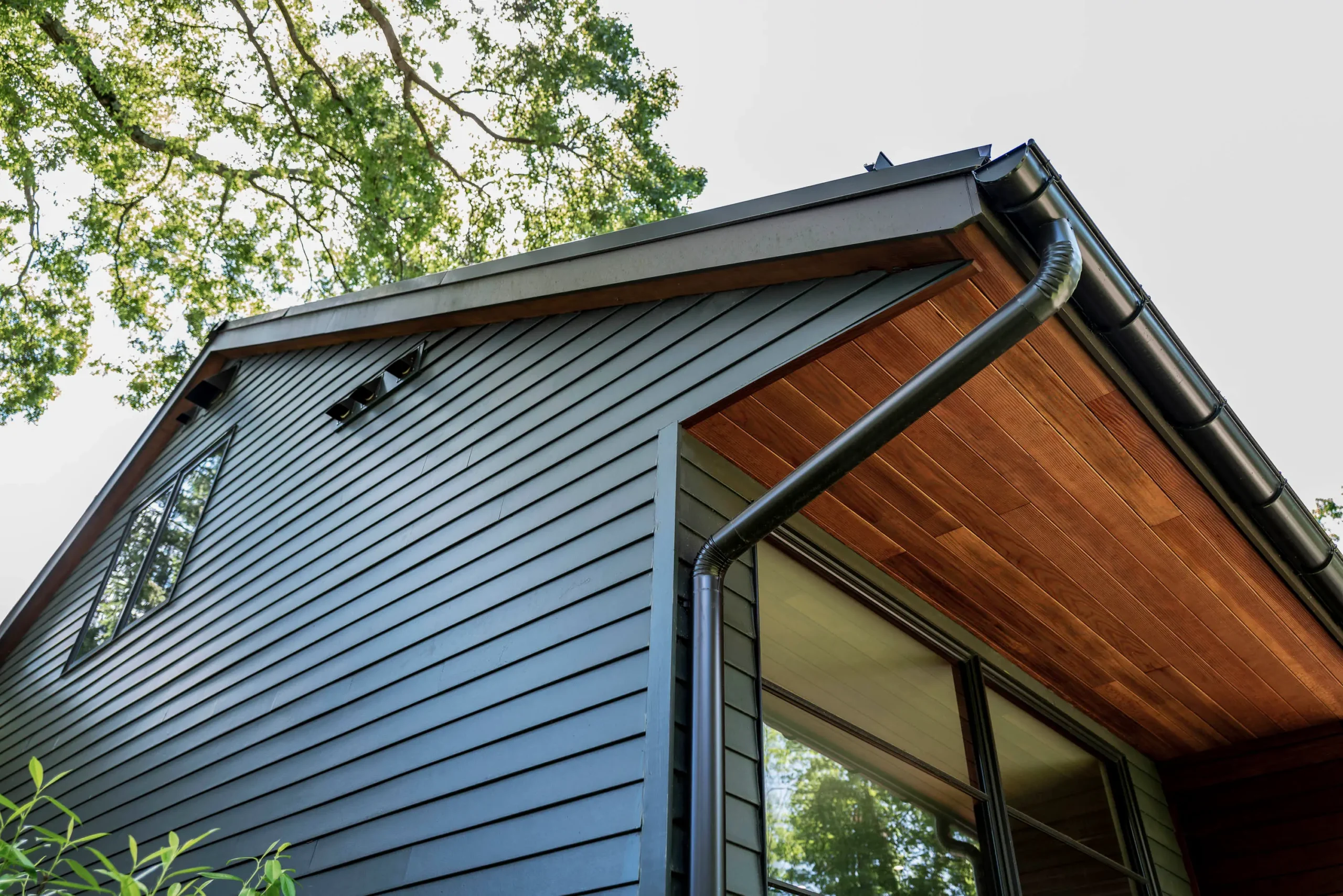
Siding is the exterior cladding material applied to the outer walls of a building. Its primary function is to protect the structure from weather conditions such as rain, wind, heat, and moisture. By creating a protective barrier, siding helps prevent water infiltration, which can lead to structural damage, mold growth, and insulation problems.
In addition to protection, siding contributes to insulation and energy efficiency. It helps regulate indoor temperatures by reducing heat transfer, which can lower heating and cooling costs. Modern siding systems often include additional insulation layers that further enhance energy performance.
Siding also plays a major role in the visual identity of a home. The color, texture, and style of siding can completely transform the appearance of a property, making it more attractive and increasing its market value.
Types of Siding Materials
There are several types of siding materials available, each offering unique benefits and characteristics. Choosing the right material depends on factors such as budget, climate, maintenance preferences, and design goals.
Vinyl siding is one of the most popular options due to its affordability, durability, and low maintenance requirements. It is available in a wide range of colors and styles, making it suitable for various architectural designs.Wood siding offers a natural and classic appearance that many homeowners find appealing. It can be customized with different finishes and stains, but it requires regular maintenance to protect against moisture and pests.
Fiber cement siding is known for its strength and resistance to fire, insects, and weather damage. It combines the appearance of wood with the durability of cement-based materials,making it a long-lasting option.Metal siding, including aluminum and steel, is valued for its durability and modern aesthetic. It is resistant to pests and rot, although it may require occasional maintenance to prevent corrosion.Brick and stone siding provide a premium and timeless look, along with excellent durability. These materials are often more expensive but offer long-term value and minimal maintenance.
Benefits of Installing Quality Siding
Investing in high-quality siding offers numerous benefits that go beyond basic protection. One of the most significant advantages is improved energy efficiency. Properly installed siding with insulation can reduce energy consumption and lower utility bills.Another key benefit is enhanced curb appeal. New or updated siding can dramatically improve the appearance of a home, making it more attractive to visitors and potential buyers. This can increase property value and provide a strong return on investment.
Durability is another important factor. Quality siding materials are designed to withstand harsh weather conditions, reducing the need for frequent repairs. This makes siding a cost-effective long-term solution for protecting your home.Additionally, siding helps reduce maintenance efforts. Many modern materials are resistant to fading, cracking, and moisture damage, allowing homeowners to maintain their property with minimal effort.
Factors to Consider Before Choosing Siding
Selecting the right siding involves evaluating several important factors. Climate conditions play a major role in determining which materials will perform best. For example, areas with high humidity require moisture-resistant siding, while regions with extreme temperatures may need materials that can handle expansion and contraction.
Budget is another key consideration. While some materials have higher upfront costs, they may offer better durability and lower maintenance expenses over time. Balancing initial investment with long-term benefits is essential.Aesthetic preferences should also be taken into account. The style and color of siding should complement the overall design of the home and blend well with the surrounding environment.Maintenance requirements are equally important. Some materials require regular painting or sealing, while others are designed to be low-maintenance. Understanding these requirements helps homeowners choose a siding option that fits their lifestyle.
Installation Process of Siding
The installation of siding involves several steps that must be carried out carefully to ensure proper performance. The process begins with preparing the exterior walls, which includes removing old siding, repairing any damage, and installing a moisture barrier.Once the surface is prepared, insulation may be added to improve energy efficiency. The siding panels are then installed, starting from the bottom and working upward to ensure proper alignment and water drainage.Each panel is secured using appropriate fasteners, and special attention is given to corners, edges, and openings such as windows and doors. Proper sealing is essential to prevent water infiltration and ensure durability.After installation, a final inspection is conducted to verify that all components are correctly aligned and securely attached. Professional installation is recommended to achieve the best results and avoid potential issues.
Maintenance and Care for Siding
Regular maintenance is essential to keep siding in good condition and extend its lifespan. Cleaning the surface periodically helps remove dirt, dust, and mold that can accumulate over time. Depending on the material, cleaning methods may vary, but mild soap and water are often sufficient.Inspecting siding for signs of damage, such as cracks, warping, or loose panels, allows homeowners to address issues early. Prompt repairs prevent further damage and maintain the integrity of the exterior.For materials like wood siding, repainting or sealing may be required periodically to protect against moisture and UV damage. Metal siding may need occasional checks for rust or corrosion.Proper maintenance not only preserves the appearance of siding but also ensures its effectiveness in protecting the home.
Common Mistakes to Avoid
One common mistake when installing siding is choosing the wrong material for the climate, which can lead to premature wear and damage. Another issue is improper installation, which can result in gaps, leaks, and reduced energy efficiency.Neglecting maintenance is another mistake that can shorten the lifespan of siding. Even low-maintenance materials require occasional care to remain effective.Overlooking insulation during installation can also reduce the overall energy efficiency of the home. Proper planning and attention to detail help avoid these issues.
Energy Efficiency and Environmental Impact
Siding plays an important role in improving energy efficiency by reducing heat transfer between the interior and exterior of a home. Insulated siding options provide additional thermal resistance, helping maintain consistent indoor temperatures.Energy-efficient siding reduces reliance on heating and cooling systems, which lowers energy consumption and contributes to environmental sustainability. Choosing eco-friendly materials can further reduce the environmental impact of construction and maintenance.
Upgrading siding is one of the most effective ways to increase property value. A well-maintained exterior creates a positive first impression and enhances curb appeal. Potential buyers are often drawn to homes with modern, durable siding that requires minimal maintenance.In addition to visual appeal, quality siding demonstrates that the property is well cared for, which can influence purchasing decisions. This makes siding an important investment for homeowners looking to improve both functionality and market value.
Long-Term Value of Siding
Siding provides long-term value by protecting the structure, improving energy efficiency, and enhancing appearance. When properly installed and maintained, it can last for decades without significant issues.The durability and low maintenance requirements of modern siding materials make them a practical choice for homeowners seeking reliable solutions. Investing in quality siding ensures that the home remains protected and visually appealing over time.
Final Thoughts
Siding is a fundamental component of any home’s exterior, offering protection, efficiency, and aesthetic appeal. From selecting the right material to ensuring proper installation and maintenance, every step plays a role in achieving long-lasting results.
By understanding the various options and factors involved, homeowners can make informed decisions that enhance the comfort, durability, and value of their property. With the right approach, siding becomes more than just an exterior covering; it becomes a key element in creating a strong, efficient, and visually appealing home.