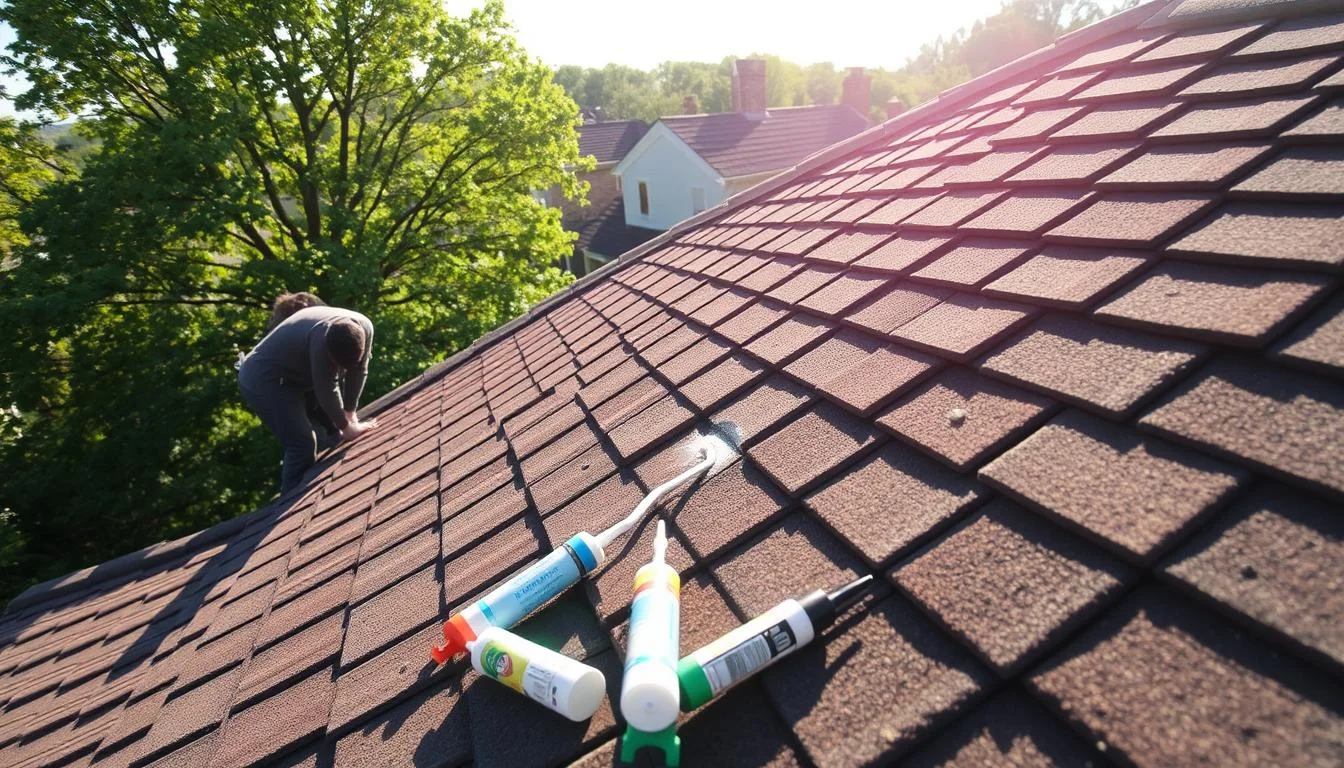





Introduction to Professional Painting Services
A fresh coat of paint has the power to completely transform a home. It enhances curb appeal, improves interior ambiance, and even protects surfaces from long-term wear and damage. While many homeowners consider painting a DIY task, the expertise of a professional makes a significant difference in quality, durability, and finish.A skilled house painter brings experience, technical knowledge, and precision that ensures every surface is properly prepared and coated. From selecting the right materials to applying flawless finishes, their role goes far beyond simply applying paint to walls.Understanding what goes into professional painting services helps homeowners make informed decisions and achieve better long-term results.
What Does a House Painter Actually Do?
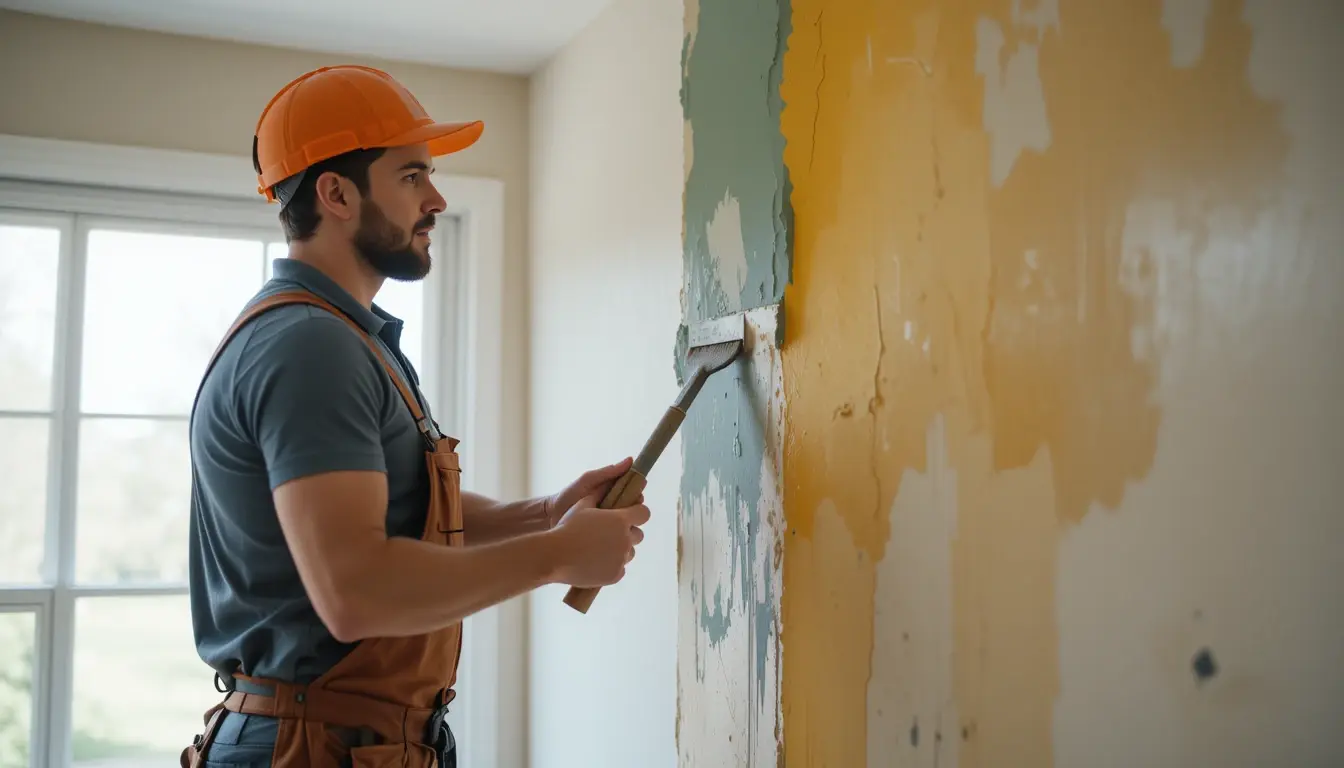
A professional house painter is responsible for more than just painting walls. Their work begins with careful preparation and ends with detailed finishing touches that ensure a high-quality appearance.Before any paint is applied, surfaces must be cleaned, repaired, and primed. This may include filling cracks, sanding uneven areas, removing old paint, and protecting furniture or flooring. Preparation is one of the most important stages because it directly affects how well the paint adheres and how long it lasts.Once preparation is complete, the painting process begins. Depending on the project, this may involve brushing, rolling, or spraying paint onto interior or exterior surfaces. A skilled house painter ensures even coverage, clean edges, and consistent color throughout the space.Finally, finishing touches are added, such as touch-ups, cleanup, and inspection. This ensures the final result meets quality standards and client expectations.
The Importance of Proper Surface Preparation
One of the most overlooked aspects of painting is surface preparation. Without proper preparation, even the highest-quality paint will not perform well.Cracks, holes, moisture damage, and old peeling paint must all be addressed before painting begins. Sanding helps smooth rough areas, while primers create a strong base for paint adhesion.A professional house painter understands that preparation determines durability. Skipping or rushing this step often leads to uneven finishes, peeling paint, and reduced lifespan of the coating.Proper preparation ensures that the paint not only looks good but also lasts longer and withstands environmental conditions.
Interior Painting: Enhancing Living Spaces
Interior painting plays a major role in defining the atmosphere of a home. Color choices can influence mood, perception of space, and overall comfort.Light colors can make rooms feel larger and brighter, while darker shades add depth and warmth. Neutral tones are often used for a modern, clean look, while bold colors can create focal points or accent walls.A professional house painter helps homeowners choose suitable colors based on lighting, room size, and design preferences. They also ensure smooth application on walls, ceilings, trim, and other interior surfaces.Attention to detail is especially important indoors, where imperfections are more noticeable. Clean edges, even coats, and consistent texture are key to achieving a polished finish.
Exterior Painting: Protection and Curb Appeal
Exterior painting is not just about appearance; it also serves as a protective layer against weather conditions. Sun exposure, rain, wind, and temperature changes can all damage exterior surfaces over time.
A high-quality exterior paint job helps prevent moisture penetration, wood rot, and surface deterioration. It also enhances curb appeal, making the home more visually attractive and potentially increasing property value.A skilled house painter takes into account environmental conditions when selecting paint types and application methods. Proper sealing, priming, and weather-resistant coatings are essential for long-lasting results.
Choosing the Right Paint and Materials
Selecting the right paint is just as important as applying it correctly. There are different types of paint finishes, including matte, satin, semi-gloss, and gloss, each suited for specific surfaces and purposes.Matte finishes are often used for ceilings and low-traffic areas, while satin and semi-gloss are ideal for walls, kitchens, and bathrooms due to their durability and easy cleaning properties.Exterior paints are specially formulated to withstand harsh weather conditions. A professional house painter understands these differences and recommends the best options based on the project requirements.In addition to paint, primers, sealants, brushes, rollers, and protective materials all play a role in achieving a high-quality finish.
Tools and Techniques Used by Professionals
Professional painters use a variety of tools to ensure precision and efficiency. Brushes are used for detailed work, rollers for large surfaces, and sprayers for smooth and even coverage on exterior walls.Each technique has its advantages depending on the surface and desired finish. Spraying, for example, provides a uniform coating but requires skill and proper masking to avoid overspray.Experienced painters also use ladders, scaffolding, and safety equipment when working on high or difficult-to-reach areas. This ensures both safety and accuracy during the project.A trained house painter combines the right tools with proper technique to deliver consistent, high-quality results.
The duration of a painting project depends on several factors, including the size of the home, surface condition, and weather conditions for exterior work.Interior projects may take a few days to a week, while exterior painting can take longer due to preparation and drying times.Professional painters usually begin with an assessment of the space, followed by a detailed plan outlining each stage of the project. This helps ensure efficient workflow and minimal disruption to the household.Proper planning also helps avoid delays and ensures timely completion of the project.
Cost Factors in House Painting
The cost of hiring a house painter varies depending on multiple factors such as project size, paint quality, surface condition, and labor requirements.Preparation work, such as repairing damaged surfaces or removing old paint, can increase overall costs. High-quality paints and specialty finishes may also affect pricing.While some homeowners may consider DIY painting to save money, professional services often provide better long-term value due to durability and finish quality.Investing in skilled labor helps reduce the need for frequent repainting and costly repairs in the future.Many homeowners attempt painting projects on their own but often encounter common mistakes. These include skipping surface preparation, using low-quality paint, applying uneven coats, and failing to protect surrounding areas.Improper technique can lead to visible brush marks, peeling paint, and inconsistent color distribution.Hiring a professional reduces these risks significantly. A trained house painter understands how to avoid these mistakes and deliver a clean, professional finish.
Safety Considerations in Painting Projects
Safety is an important aspect of any painting project. Working at heights, handling chemicals, and using equipment all require proper precautions.Professional painters use protective gear such as gloves, masks, and harnesses when necessary. They also follow safety guidelines to prevent accidents and ensure a secure working environment.Proper ventilation is also important, especially during interior painting, to avoid inhaling fumes from paint and solvents.
Modern painting practices increasingly focus on environmental responsibility. Low-VOC and eco-friendly paints are now widely available and help reduce harmful emissions.These paints improve indoor air quality and are safer for both residents and workers. Many homeowners now prefer environmentally friendly options when planning painting projects.A knowledgeable house painter can recommend sustainable products that balance performance with environmental impact.
Maintenance After Painting
Once a painting project is completed, proper maintenance helps extend its lifespan. Regular cleaning, avoiding excessive moisture exposure, and addressing minor damage early can preserve the finish.Interior walls may need occasional touch-ups, especially in high-traffic areas. Exterior surfaces should be inspected periodically for signs of wear or weather damage.With proper care, a high-quality paint job can last for many years without significant deterioration.
While painting may seem simple, achieving a flawless and long-lasting finish requires skill, experience, and attention to detail. Professionals understand surface behavior, paint chemistry, and application techniques that ensure superior results.A reliable house painter not only improves the appearance of a home but also protects its structure and adds long-term value. Their expertise ensures that every stage of the process from preparation to final coating is executed with precision.
Conclusion: Transforming Homes with Professional Painting
Painting is one of the most effective ways to enhance and protect a home. Whether it is interior design improvement or exterior protection, the quality of workmanship plays a crucial role in the final outcome.Hiring a professional ensures that every detail is handled with care, from surface preparation to finishing touches. With the right materials, techniques, and experience, a skilled house painter can completely transform a living space.
Ultimately, investing in professional painting services is not just about aesthetics it is about durability, comfort, and long-term value for any home.