




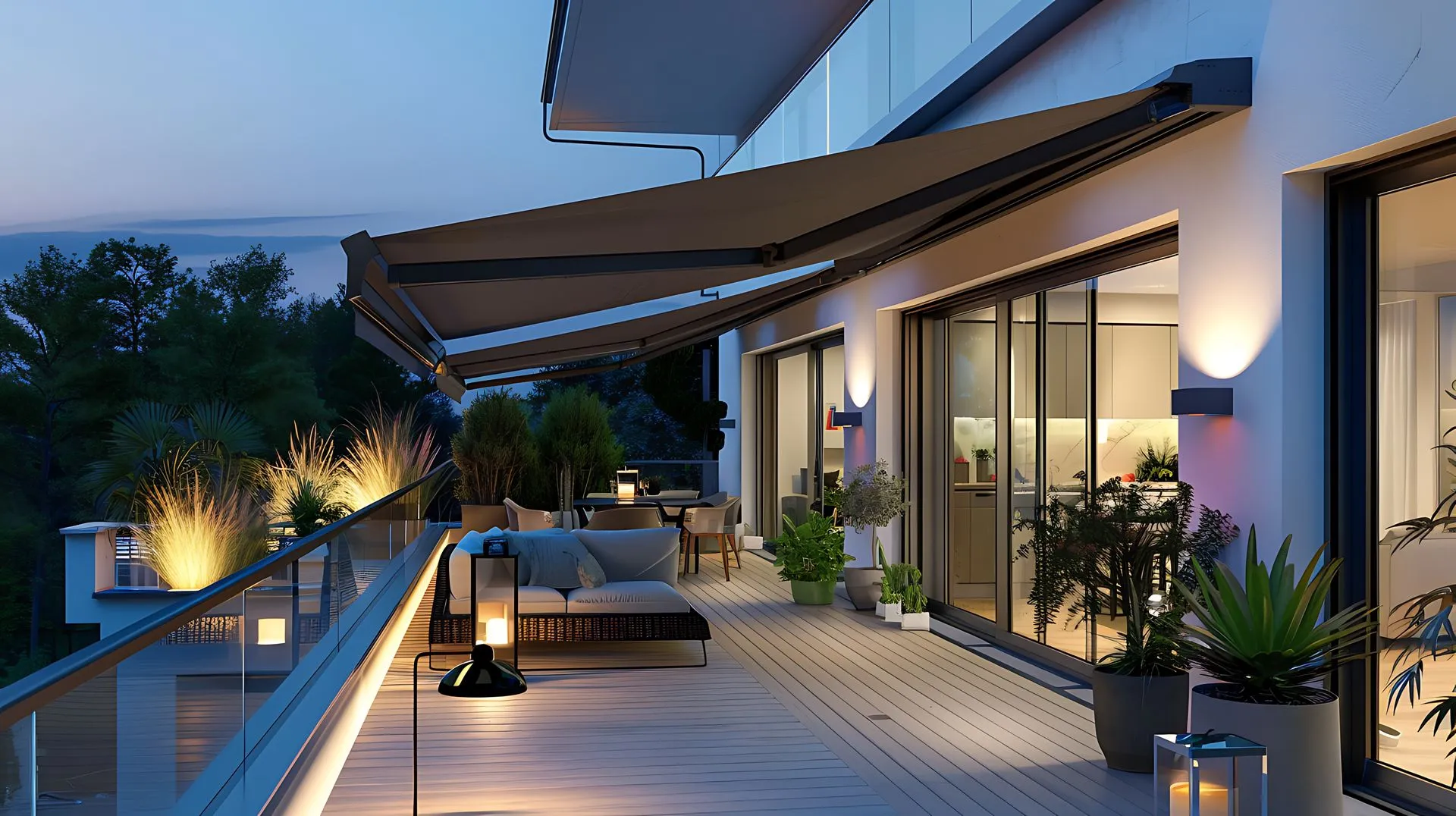
Awnings have become an essential feature in both residential and commercial architecture due to their ability to combine functionality with visual appeal. They are more than just exterior coverings; they provide protection from weather elements, improve energy efficiency, and enhance the overall appearance of buildings. Whether installed over windows, doors, patios, or storefronts, awnings serve as a practical solution for controlling sunlight, reducing heat, and creating comfortable shaded areas that extend usable outdoor living space.
Understanding how awnings work, the different types available, and the factors involved in selecting and maintaining them can help property owners make informed decisions that improve comfort and long-term value. With the increasing focus on energy efficiency and outdoor living, awnings have become a smart investment for modern spaces.
Understanding the Purpose and Function of Awnings
At their core, awnings are secondary coverings attached to exterior walls of buildings. They are designed to provide shade and protection from environmental elements such as sunlight, rain, and sometimes even snow depending on the structure. By blocking direct sunlight, awnings help reduce indoor heat gain, which can significantly lower cooling costs during warmer months.
Beyond temperature control, awnings also protect furniture, flooring, and interior décor from UV damage caused by prolonged sun exposure. This helps extend the life of interior materials and reduces maintenance or replacement costs over time. In outdoor spaces, awnings create comfortable shaded areas that can be used for relaxation, dining, or social gatherings, effectively expanding usable living space without requiring major construction.
Different Types of Awnings and Their Applications
There are several types of awnings available, each designed for specific uses and architectural styles. Fixed awnings are permanently installed structures that provide constant protection and are commonly used over windows and doors. These are highly durable and require minimal maintenance once installed.
Retractable awnings, on the other hand, offer flexibility as they can be extended or retracted based on weather conditions or user preference. These are ideal for patios and outdoor seating areas where adjustable shade is desired. Motorized versions of retractable awnings add convenience by allowing operation through remote control or smart home systems.
Freestanding awnings are not attached directly to buildings and are often used in open spaces such as gardens or poolside areas. These provide shade in areas where wall-mounted structures are not feasible. There are also portable awnings, which are lightweight and temporary, making them suitable for events, camping, or seasonal use.
Each type of awning serves a specific purpose, and the choice depends on factors such as available space, budget, aesthetic preference, and intended use.
Materials Used in Awnings Construction
The performance and durability of awnings largely depend on the materials used in their construction. Fabric awnings are among the most common and are typically made from acrylic, polyester, or canvas materials that are treated for water resistance and UV protection. These fabrics are available in a wide range of colors and patterns, making them highly customizable for different design preferences.
Metal awnings, often made from aluminum or steel, offer superior durability and are highly resistant to harsh weather conditions. They are commonly used in commercial settings where long-term structural strength is a priority. Polycarbonate and other synthetic materials are also used in modern designs due to their lightweight nature and ability to withstand environmental stress.The frame structure supporting awnings is usually made from aluminum or steel, ensuring stability and resistance to corrosion. The combination of strong frames and durable covering materials ensures that awnings can withstand wind, rain, and prolonged sun exposure.
Benefits of Installing Awnings
One of the most significant benefits of awnings is energy efficiency. By blocking direct sunlight from entering windows, they reduce indoor temperatures and minimize the need for air conditioning. This can lead to noticeable savings on energy bills, especially in warmer climates.
Another important advantage is protection from weather conditions. Awnings shield outdoor spaces from rain and excessive sunlight, making it possible to enjoy outdoor areas even during less favorable weather. They also protect doors and windows from water damage and reduce wear caused by UV exposure.
Awnings also enhance aesthetic appeal by adding architectural character to buildings. They come in various designs, colors, and styles that can complement or enhance the overall appearance of a property. This makes them a popular choice for homeowners and business owners looking to improve curb appeal.
Additionally, awnings increase usable space by transforming outdoor areas into functional zones. Patios, balconies, and storefront sidewalks become more comfortable and inviting when protected by well-designed shading structures.
Factors to Consider Before Choosing Awnings
Selecting the right awnings requires careful consideration of several factors. One of the most important is the intended purpose. Whether the goal is to reduce heat, create outdoor seating space, or improve aesthetics will influence the type and design of awning selected.
Climate conditions also play a major role in decision-making. In areas with strong sunlight, UV-resistant materials are essential, while regions with heavy rainfall require waterproof and durable structures. Wind resistance is another critical factor, especially for larger installations.
Size and placement must also be carefully evaluated to ensure proper coverage without obstructing movement or visibility. Incorrect sizing can reduce effectiveness and impact the overall appearance of the structure.Budget is another key consideration, as awnings vary widely in cost depending on materials, size, and features such as motorization or customization options. Balancing cost with long-term durability and performance is essential for making a smart investment.
Installation Process of Awnings
The installation process of awnings involves several steps that must be carried out with precision to ensure safety and durability. It begins with site assessment, where measurements are taken to determine the correct size and placement. Structural support is evaluated to ensure the wall or surface can handle the weight and tension of the awning.
Once planning is complete, mounting brackets are securely attached to the structure. The awning frame is then installed and aligned properly to ensure stability. After the frame is in place, the covering material is fitted and adjusted for tension and alignment.For motorized or retractable systems, electrical connections or control systems are installed and tested to ensure smooth operation. Final adjustments are made to ensure proper function, alignment, and durability.Professional installation is often recommended, especially for large or motorized awnings, to ensure safety and long-term performance.
Maintenance and Care for Long-Term Use
Proper maintenance is essential to extend the lifespan of awnings and maintain their appearance. Regular cleaning helps prevent dirt, dust, and mold buildup, especially on fabric surfaces. Mild soap and water are usually sufficient for cleaning without damaging the material.
It is also important to inspect the structure periodically for signs of wear or damage. Loose fittings, rusted frames, or torn fabric should be addressed promptly to prevent further deterioration.
During extreme weather conditions such as storms or heavy winds, retractable awnings should be closed to avoid damage. Proper storage during off-seasons can also help prolong their usability.Routine maintenance not only preserves functionality but also ensures that awnings continue to enhance the visual appeal of the property.
Common Mistakes to Avoid
One common mistake when installing awnings is choosing the wrong size, which can result in insufficient coverage or poor visual balance. Another issue is selecting materials that are not suited to local weather conditions, leading to faster wear and tear.
Improper installation is another frequent problem that can compromise safety and durability. Attempting complex installations without professional help can result in structural issues or malfunctioning systems.Neglecting maintenance is also a major mistake, as it can significantly reduce the lifespan and effectiveness of awnings over time.Awnings contribute positively to energy efficiency by reducing the amount of heat entering buildings. This reduces reliance on air conditioning systems and lowers overall energy consumption. In addition to cost savings, this also helps reduce environmental impact by decreasing energy demand.
By creating shaded outdoor spaces, awnings encourage the use of natural environments rather than indoor climate-controlled spaces. This promotes a more sustainable lifestyle while improving comfort.
Enhancing Property Value with Awnings
Installing awnings can significantly increase property value by improving both functionality and aesthetics. Well-designed awnings enhance curb appeal, making buildings more attractive to potential buyers or tenants.They also demonstrate thoughtful design and energy efficiency, which are increasingly important factors in real estate value. In commercial settings, awnings can attract customers by creating welcoming and comfortable exterior spaces.
Final Thoughts
Awnings are a versatile and valuable addition to any property, offering a combination of practical benefits and visual enhancement. From energy savings and weather protection to improved outdoor living spaces, they provide long-term advantages that go beyond simple shading solutions.
Choosing the right type, material, and design requires careful consideration, but the results can greatly improve comfort, efficiency, and property value. With proper installation and maintenance, awnings remain a reliable and stylish feature that enhances modern living environments for years to come.