




Living in Florida comes with a price that shows up on your skin. Year-round sun exposure, high humidity, and heat create conditions that accelerate skin aging, increase cancer risk, and trigger chronic skin concerns, especially in adults.
In 2026, dermatology is advancing quickly, and Florida adults are well-positioned to benefit from better technology and a clearer understanding of what their skin actually needs. This article breaks down the trends and treatments of skin health in Florida this year.
Sun Damage is Still the Biggest Concern
Dermatologists across Florida report that sun damage is still the leading driver of skin problems in adult patients. Cumulative UV exposure builds over decades, and many adults seeking treatment today are dealing with the consequences of sun habits formed years earlier. The visible signs include uneven pigmentation, rough texture, and premature wrinkling. Another serious concern is an elevated risk of skin cancer. Florida has one of the highest rates of skin cancer diagnosis in the United States.
Board-certified dermatologists consistently recommend annual full-body skin screenings for any adult living in the state. A dermatology clinic is the right place to establish that baseline and catch any abnormal lesions early.
Broad-spectrum SPF 30 or higher applied daily, including on overcast days, remains the single most evidence-supported step any Florida adult can take.
Skin Cancer Detection Has Improved
One of the more meaningful advances in dermatology in recent years has been the improvement in skin cancer detection technology.
Dermoscopy, which uses a specialized device to examine lesions at high magnification, has become standard practice. It allows board-certified dermatologists to identify suspicious lesions with greater accuracy.
Moreover, AI-assisted imaging tools are also entering clinical practice, helping flag patterns in moles and lesions that may warrant closer evaluation. These tools do not replace the judgment of a board-certified dermatologist, but they add a layer of precision that benefits patients with many moles or a history of significant sun damage.
Hormonal Skin Changes Are Getting Attention
Hormonal shifts affect the skin at multiple points in adult life. Women navigating perimenopause and menopause are increasingly seeking evaluation for skin changes that were previously dismissed or undertreated. These include heavy dryness, loss of elasticity, thinning of the skin, and, in many cases, a new or worsening pattern of acne along the jawline and chin.
Skin specialists are now taking a comprehensive approach to these presentations, evaluating hormonal factors alongside topical and procedural options.
For women who have managed skin concerns for years without lasting results, this clinical shift opens the door to treatment strategies that address the root cause instead of surface symptoms.
Dermatology Procedures Are More Targeted
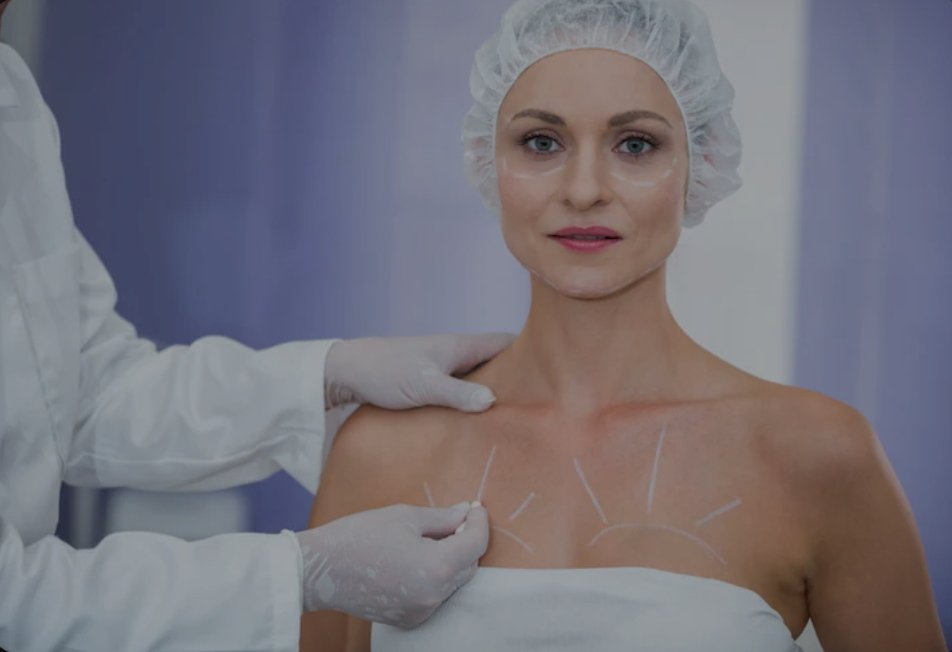
Dermatology procedures available in 2026 are broader and refined. Florida adults have access to treatments that address active acne, post-inflammatory hyperpigmentation, sun damage, texture irregularities, and volume loss associated with aging.
Laser resurfacing
Laser skin resurfacing treatments have become more precise, with options that target specific skin concerns without the extended downtime.
Chemical peels
Chemical peels are a highly effective dermatology procedure for clearing congested pores and evening out skin tone, with varying depths available depending on the patient’s needs.
Microneedling
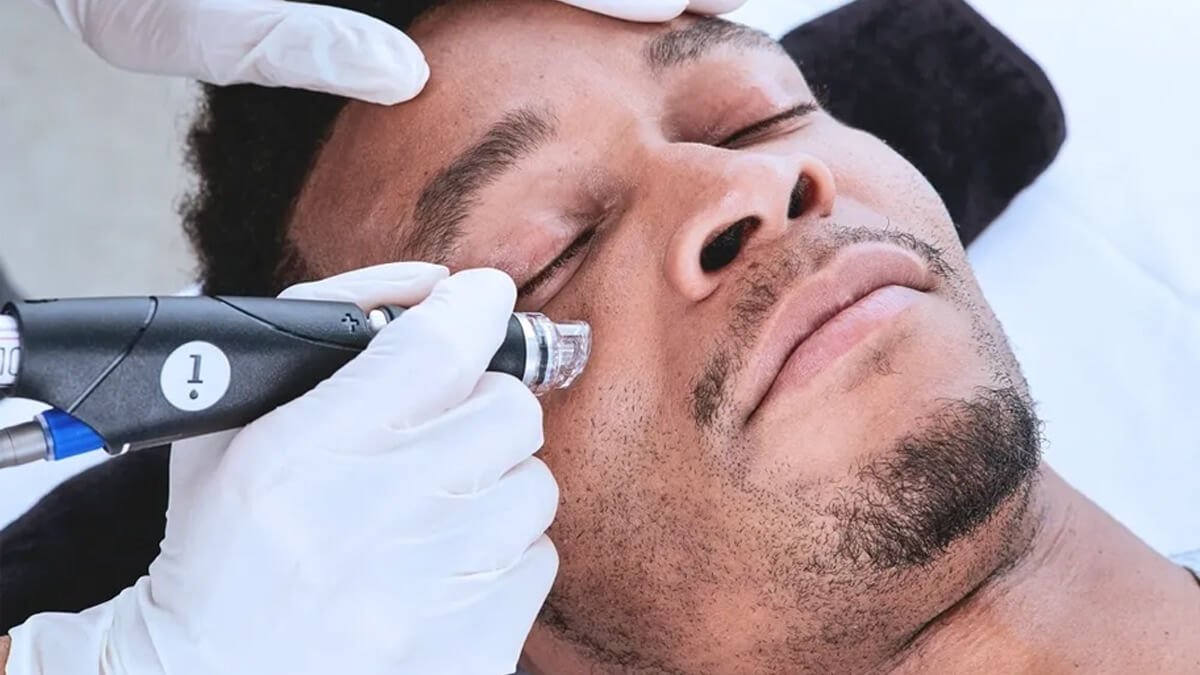
Microneedling combined with radiofrequency energy has been used to tighten the skin and improve texture, particularly in areas affected by sun exposure and aging.
The right dermatology procedure for any individual depends on skin type, primary concerns, and realistic expectations about recovery and results. A consultation at a dermatology clinic is the starting point for determining which treatment is preferable.
The Skin Barrier Is Now a Clinical Priority
One of the clearest shifts in dermatology in recent years has been the increased focus on the skin barrier, the outermost layer of skin that regulates moisture retention and protects against environmental damage.
Florida conditions compromise the barrier
The combination of sun exposure, air conditioning, and humidity frequently disrupts the skin barrier, leading to sensitivity, inflammation, and a cycle of irritation that makes other skin concerns harder to treat.
Over-treating is a growing problem
Many patients arrive at a dermatology clinic with skin that has been over-treated with active ingredients used too frequently or in combinations that cause. Board-certified dermatologists are addressing this by helping patients simplify their routines and rebuild barrier function before introducing aggressive treatments.
Stress and Skin Health Are Interconnected
The relationship between stress and skin health is well established in dermatology research. Chronic stress elevates cortisol levels, which increase sebum production, promote inflammation, and slow the skin’s ability to heal.
Conditions including acne, eczema, psoriasis, and rosacea all have documented stress-related components. Board-certified dermatologists increasingly ask about lifestyle and stress levels as part of an initial evaluation, recognizing that a treatment plan ignoring these factors will deliver limited results.
When to See a Board-certified Dermatologist?
Over-the-counter skin care has improved considerably, but it has clear limits. Adults with ongoing acne, unusual moles or skin changes, heavy sun damage, or long-term skin problems that do not improve with home care should seek professional treatment.
Searching for a dermatology clinic near me is often the step people delay. A single consultation with a board-certified dermatologist can clarify what is happening with the skin and establish a treatment plan according to the patient’s specific situation.
Florida’s climate makes skin health a high priority. The adults who see the best outcomes are those who approach their skin with the same consistency they bring to other areas of their health.
Conclusion
The advances happening in dermatology in 2026 mean that more conditions are treatable, more procedures are precise, and more patients are getting answers that self-directed care could never provide.
Finding a trusted dermatology clinic, getting a professional evaluation, and building a plan with board-certified dermatologists is what separates lasting progress from an endless cycle of products that almost work.