

Roofing plays a critical role in protecting any structure, influencing not only its durability but also its energy efficiency and overall visual appeal. Among the many roofing options available today, metal roofing has gained significant popularity due to its strength, longevity, and modern aesthetic. Once primarily associated with industrial buildings, metal roofs are now widely used in residential and commercial construction because of their ability to withstand extreme conditions while offering long-term cost benefits. Understanding the structure, materials, installation process, advantages, and maintenance requirements of metal roofing is essential for making informed decisions about this increasingly preferred roofing solution.
Understanding the Structure and Composition of Metal Roofing Systems
Metal roofing refers to a system made from metal panels or shingles designed to cover and protect a building. These panels are typically constructed from materials such as steel, aluminum, zinc, or copper, each offering distinct characteristics in terms of durability, weight, and resistance to environmental factors. The panels are installed in overlapping sections or interlocking designs that create a watertight barrier against rain, snow, and wind.
The strength of metal roofing lies in its structural integrity and resistance to external damage. Unlike traditional roofing materials that may crack, warp, or degrade over time, metal panels maintain their shape and performance for decades. Beneath the metal surface, additional layers such as underlayment and insulation contribute to moisture control and thermal regulation, ensuring that the roof performs effectively in different climates.
Another key feature is the variety of styles available. Metal roofs can be designed to resemble traditional materials such as shingles, tiles, or slate while maintaining the superior performance characteristics of metal. This versatility allows homeowners to achieve their desired aesthetic without compromising on durability.
Types of Metal Roofing Materials and Their Unique Benefits
Different types of metal are used in roofing systems, each offering specific advantages. Steel is one of the most commonly used materials due to its strength and affordability. It is often coated with protective layers such as zinc or a combination of zinc and aluminum to prevent corrosion and extend its lifespan.
Aluminum is another popular choice, particularly in environments where moisture resistance is a priority. It is naturally resistant to rust and is lightweight, making it easier to install and suitable for a wide range of structures. Copper and zinc, while more expensive, are known for their exceptional durability and unique appearance. Over time, these materials develop a natural patina that enhances their aesthetic appeal while providing additional protection.
Each material used in metal roofing offers a different balance of cost, longevity, and visual style. The choice often depends on budget, environmental conditions, and design preferences.
Installation Process and Important Considerations
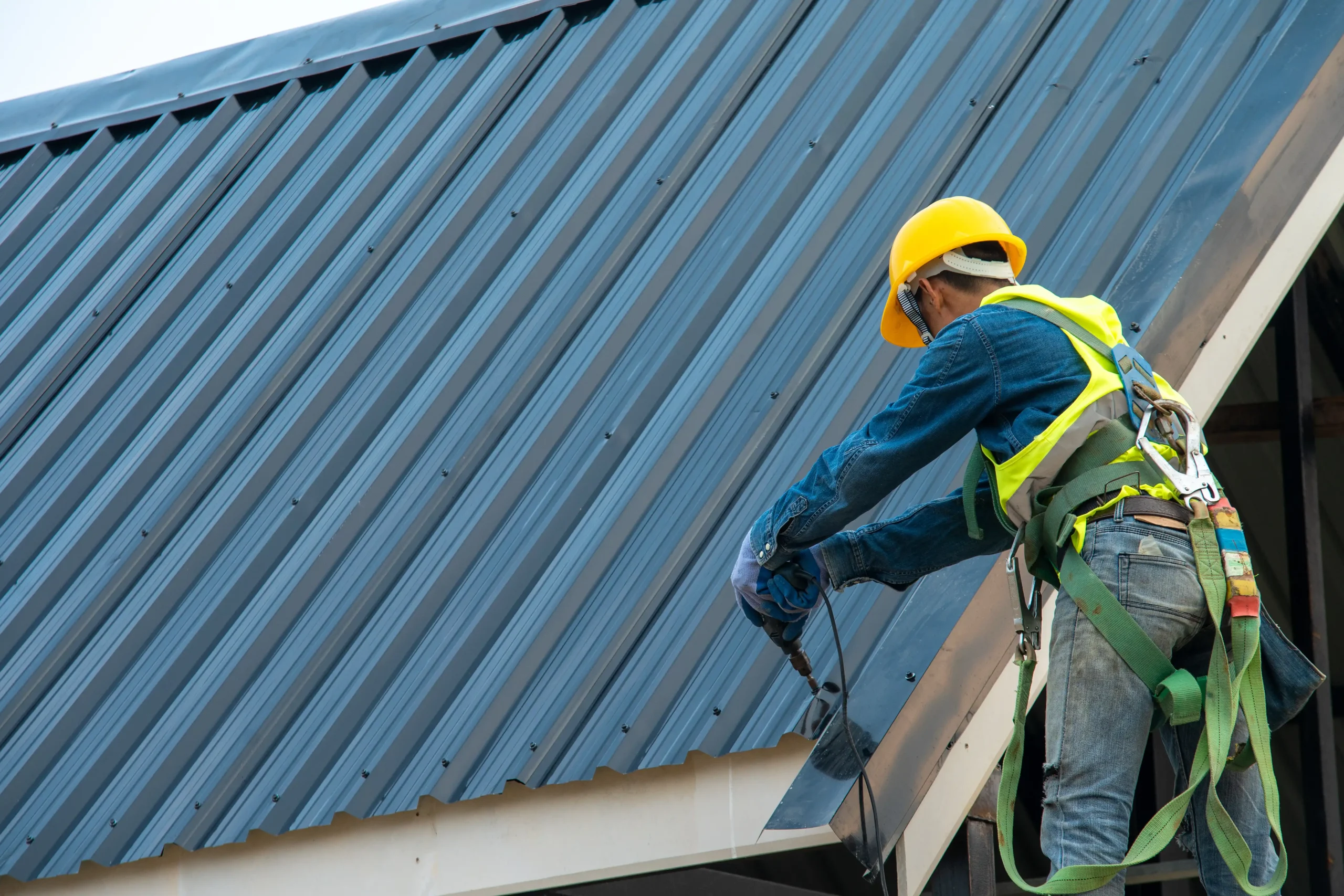
Installing a metal roof requires careful planning and precision to ensure optimal performance. The process begins with preparing the roof deck, which must be clean, level, and structurally sound. Any existing roofing material may need to be removed or properly secured before installation begins.
An underlayment is typically applied to provide an additional barrier against moisture. This layer plays a crucial role in preventing water infiltration and protecting the underlying structure. Once the underlayment is in place, metal panels or shingles are installed according to the chosen design.
In metal roofing, panels are often secured using fasteners or clips that allow for thermal expansion and contraction. This is an important consideration, as metal expands and contracts with temperature changes. Proper installation ensures that these movements do not compromise the integrity of the roof.Seams and joints are carefully sealed to prevent leaks, and flashing is installed around edges, vents, and other roof penetrations. Ventilation is also an essential aspect of the installation process, as it helps regulate temperature and moisture levels within the roof structure.Due to the technical nature of installation, professional expertise is highly recommended. Improper installation can lead to issues such as leaks, noise, or reduced lifespan.
Durability and Lifespan of Metal Roofing Systems
One of the most significant advantages of metal roofing is its exceptional durability. Depending on the material and quality of installation, a metal roof can last anywhere from 40 to 70 years or more. This longevity far exceeds that of many traditional roofing materials, making it a long-term investment.
Metal roofs are highly resistant to environmental factors such as heavy rain, strong winds, and extreme temperatures. They are also non-combustible, providing an added layer of safety in areas prone to fire hazards. Additionally, they are less susceptible to issues such as cracking, shrinking, or eroding.The durability of metal roofing also extends to its ability to withstand impact from debris such as hail or falling branches. While no roofing material is completely immune to damage, metal roofs generally perform better under such conditions compared to other options.
Energy Efficiency and Environmental Advantages
Energy efficiency is another key benefit of metal roofing. Reflective coatings on metal surfaces help reduce heat absorption by reflecting sunlight away from the building. This can significantly lower indoor temperatures during hot weather, reducing the need for air conditioning and lowering energy costs.
In colder climates, metal roofs can also help with snow shedding, preventing the buildup of heavy snow that can strain the structure. Proper insulation and ventilation further enhance energy efficiency by maintaining a stable indoor temperature throughout the year.From an environmental perspective, metal roofing is considered a sustainable option. Many metal roofs are made from recycled materials and can be fully recycled at the end of their lifespan. This reduces waste and minimizes environmental impact compared to traditional roofing materials that often end up in landfills.
Maintenance Requirements and Long-Term Care
Metal roofs require relatively low maintenance compared to other roofing systems, but regular care is still important to ensure long-term performance. Routine inspections should be conducted to check for loose fasteners, damaged panels, or signs of corrosion.Cleaning the roof periodically helps remove debris such as leaves, dirt, and branches that can accumulate over time. Keeping gutters and drainage systems clear is also essential for preventing water buildup and ensuring proper runoff.In some cases, protective coatings may need to be reapplied to maintain the roof’s appearance and resistance to environmental factors. Addressing minor issues promptly can prevent them from developing into more serious problems.
The low maintenance requirements of metal roofing make it an attractive option for homeowners seeking a durable and hassle-free solution.
Cost Considerations and Overall Value
The initial cost of installing a metal roof is generally higher than that of traditional roofing materials. However, this higher upfront investment is often offset by long-term savings in maintenance, energy efficiency, and replacement costs.
Because metal roofs last significantly longer than many alternatives, they reduce the need for frequent replacements. This longevity, combined with lower maintenance expenses, contributes to a strong return on investment over time.In addition, metal roofing can increase the resale value of a property due to its durability and modern appearance. Potential buyers often view it as a premium feature that offers long-term benefits.When evaluating the cost of metal roofing, it is important to consider not only the initial expense but also the overall value it provides throughout its lifespan.
Common Challenges and How to Address Them
Despite its many advantages, metal roofing is not without its challenges. One common concern is noise during rain or hail. However, this issue can be minimized with proper insulation and underlayment, which help absorb sound and reduce noise levels.Another potential issue is thermal expansion and contraction. If not properly accounted for during installation, this can lead to warping or loosening of panels. Using appropriate fastening systems and allowing for movement can effectively address this concern.
Scratches or damage to protective coatings can also occur, potentially leading to corrosion if left untreated. Regular inspections and timely repairs can prevent such issues from escalating.Understanding these challenges and addressing them proactively ensures that metal roofing continues to perform effectively over the long term.
Conclusion: Why Metal Roofing Is a Smart Long-Term Investment
Metal roofing has emerged as one of the most reliable and efficient roofing solutions available today. Its combination of durability, energy efficiency, low maintenance requirements, and long lifespan makes it a compelling choice for both residential and commercial applications.
By understanding the materials, installation process, maintenance practices, and cost considerations, property owners can make informed decisions that align with their needs and long-term goals. With proper installation and care, metal roofing provides a strong and dependable barrier against environmental elements while enhancing the overall value and appearance of a structure.
Ultimately, investing in a metal roof is not just about immediate protection but also about securing long-term performance, sustainability, and peace of mind.