




Retrofit projects have become a cornerstone of modern construction and infrastructure development, focusing on upgrading existing buildings and systems to improve performance, safety, efficiency, and sustainability. Instead of demolishing older structures and rebuilding from scratch, retrofitting allows for the enhancement of what already exists, making it a practical, cost-effective, and environmentally responsible approach. As cities grow and environmental concerns increase, retrofit projects are playing an increasingly important role in shaping resilient and energy-efficient spaces.
At its core, a retrofit project involves modifying a building or system to improve its functionality or meet updated standards. These upgrades can range from simple improvements such as replacing outdated lighting systems to complex structural reinforcements designed to withstand earthquakes or extreme weather conditions. The scope of retrofit projects varies widely depending on the condition of the structure, the intended improvements, and the regulatory requirements that must be met.
Understanding the Purpose of Retrofit Projects
The primary purpose of retrofit projects is to extend the life and usability of existing structures while improving their overall performance. Many older buildings were constructed under outdated codes and standards, meaning they may not meet current expectations for energy efficiency, safety, or accessibility. Retrofitting addresses these gaps by integrating modern technologies and materials without the need for complete reconstruction.
Another important goal of retrofit projects is sustainability. Demolishing buildings generates significant waste and consumes large amounts of resources, whereas retrofitting reduces environmental impact by preserving existing structures. This approach aligns with global efforts to reduce carbon emissions and promote responsible resource management in the construction industry.
Types of Retrofit Projects
Retrofit projects can be categorized based on their objectives and the systems they target. Structural retrofitting focuses on strengthening a building’s framework to improve its resistance to natural disasters such as earthquakes, floods, or high winds. This may involve reinforcing foundations, adding support beams, or using advanced materials that enhance durability.
Energy retrofitting is another common category and involves upgrading systems to improve energy efficiency. This can include installing better insulation, replacing windows with energy-efficient alternatives, or upgrading heating, ventilation, and air conditioning systems. These improvements not only reduce energy consumption but also lower operational costs over time.Mechanical and electrical retrofits focus on updating internal systems such as plumbing, wiring, lighting, and automation controls. Modernizing these systems ensures better performance, improved safety, and compliance with current regulations. In many cases, smart technologies are integrated into retrofit projects to enhance control and monitoring capabilities.
Planning and Assessment Phase
Every successful retrofit project begins with a detailed assessment of the existing structure. Engineers and specialists evaluate the building’s condition, identify weaknesses, and determine the scope of required improvements. This stage is critical because it ensures that the retrofit strategy is tailored to the specific needs of the structure.
During the planning phase, factors such as budget, timeline, material availability, and regulatory compliance are carefully considered. Detailed surveys and structural analyses help determine whether the building can support the proposed upgrades. This stage also involves identifying potential risks and developing strategies to mitigate them during construction.
Design and Engineering Considerations
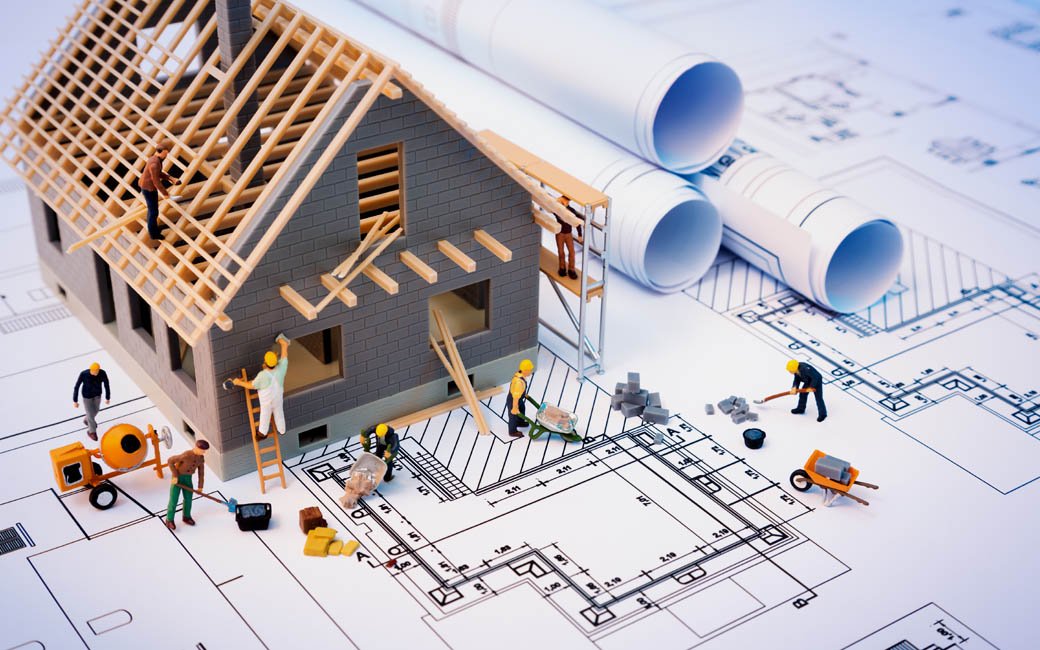
Once the assessment is complete, the design phase begins. Engineers and architects collaborate to develop solutions that integrate modern systems into the existing structure without compromising its integrity. This requires careful balancing of innovation and preservation, especially in older or historically significant buildings.
Material selection plays a crucial role in retrofit projects. Lightweight, durable, and sustainable materials are often preferred to minimize additional load on the structure. Advanced modeling techniques are also used to simulate performance and ensure that the proposed modifications will achieve the desired outcomes.
Execution and Construction Phase
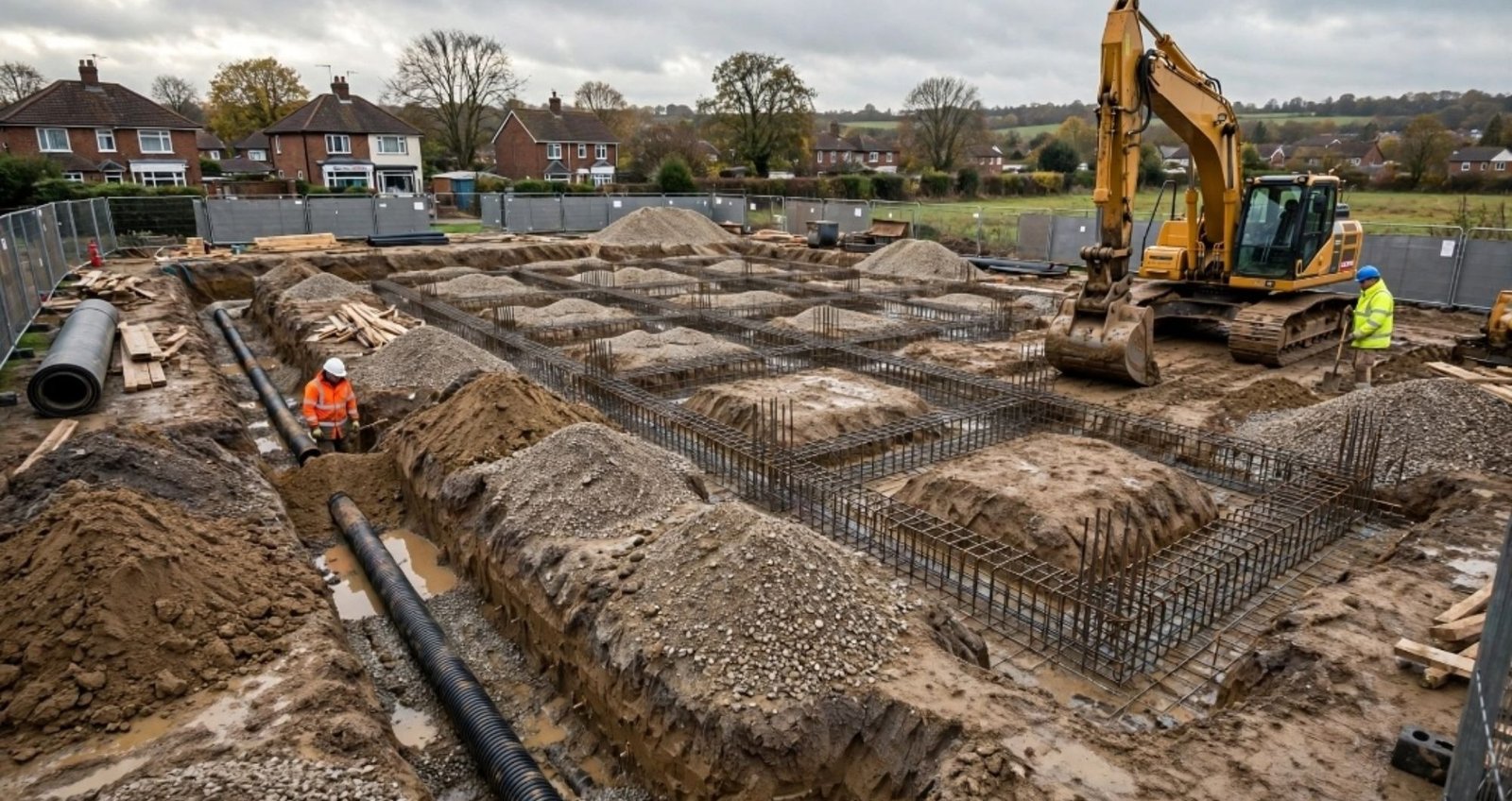
The execution phase is where the actual physical work takes place. Depending on the complexity of the project, this may involve partial demolition, structural reinforcement, system replacement, or complete overhauls of specific building components. Work is often carried out in stages to minimize disruption, especially in occupied buildings such as offices, hospitals, or residential complexes.Safety is a top priority during this phase, as construction activities within existing structures can present unique challenges. Workers must navigate confined spaces, outdated systems, and potentially hazardous materials. Strict adherence to safety protocols ensures that the project progresses without incidents while maintaining structural stability.
Energy Efficiency and Sustainability Benefits
One of the most significant advantages of retrofit projects is their contribution to energy efficiency. By upgrading insulation, windows, lighting, and mechanical systems, buildings can significantly reduce their energy consumption. This not only lowers utility costs but also reduces greenhouse gas emissions, making retrofitting an environmentally responsible choice.
Sustainability is further enhanced by the reduced need for new construction materials. Reusing existing structures conserves resources and minimizes construction waste. In many cases, retrofit projects also incorporate renewable energy systems such as solar panels or energy storage solutions, further improving environmental performance.
Challenges in Retrofit Projects
Despite their benefits, retrofit projects are not without challenges. One of the primary difficulties is working within the constraints of an existing structure. Older buildings may have outdated designs, hidden damage, or materials that are no longer commonly used, making modifications more complex.
Unforeseen issues often arise during construction, such as hidden structural weaknesses or outdated wiring systems that require replacement. These challenges can lead to increased costs and extended timelines if not properly managed during the planning phase.Another challenge is ensuring compatibility between old and new systems. Integrating modern technologies into older infrastructure requires careful planning to avoid performance issues or safety risks.
Technological Advancements in Retrofit Projects
Advancements in technology have significantly improved the efficiency and effectiveness of retrofit projects. Building information modeling (BIM) allows engineers to create detailed digital representations of structures, enabling better planning and visualization before construction begins.Smart building technologies are also increasingly being integrated into retrofit projects. These systems allow for automated control of lighting, temperature, security, and energy usage, improving both comfort and efficiency. Sensors and monitoring systems provide real-time data that can be used to optimize building performance over time.
From a financial perspective, retrofit projects offer significant long-term savings. While the initial investment may be substantial, the reduction in energy costs, maintenance expenses, and operational inefficiencies often results in substantial returns over time.
Retrofitting also increases property value by improving functionality, safety, and aesthetics. Buildings that have been upgraded to meet modern standards are more attractive to tenants, buyers, and investors, making them more competitive in the real estate market.
Regulatory and Compliance Factors
Compliance with building codes and regulations is a critical aspect of retrofit projects. Many jurisdictions have strict requirements regarding safety, energy efficiency, and environmental impact. Ensuring that all modifications meet these standards is essential to avoid legal issues and ensure long-term usability.
In some cases, historic preservation regulations may also apply, especially when working with culturally significant buildings. These regulations may limit the types of modifications that can be made, requiring creative solutions that balance preservation with modernization.
Future Trends in Retrofit Projects
The future of retrofit projects is closely tied to sustainability and technological innovation. As climate change concerns continue to grow, there is increasing emphasis on reducing the environmental impact of buildings. Retrofitting will play a key role in achieving net-zero energy goals and creating more resilient urban environments.
Emerging technologies such as artificial intelligence, advanced materials, and energy-efficient systems are expected to further enhance the capabilities of retrofit projects. These innovations will allow for more precise planning, faster execution, and improved long-term performance.
Conclusion
Retrofit projects represent a practical and forward-thinking approach to modern construction challenges. By improving existing structures rather than replacing them, these projects offer environmental, economic, and functional benefits that align with contemporary needs. From structural reinforcement to energy efficiency upgrades, retrofit projects transform aging buildings into modern, high-performing spaces.
While challenges exist, careful planning, advanced technology, and skilled execution make it possible to overcome them effectively. As sustainability and efficiency continue to shape the future of construction, retrofit projects will remain a vital tool in creating resilient, adaptable, and environmentally responsible built environments.