




Introduction
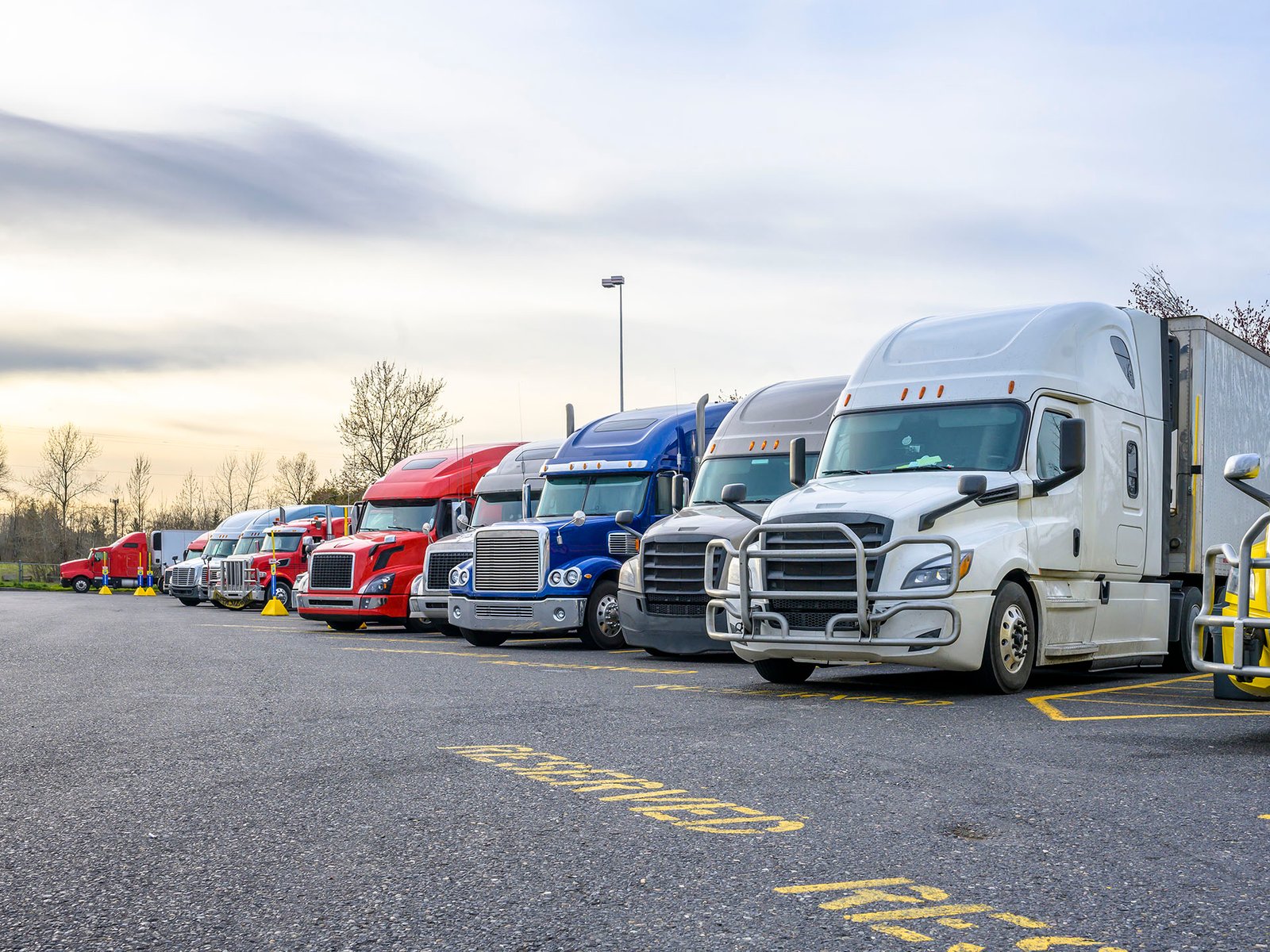
Commercial truck parking refers to designated parking facilities specifically designed to accommodate heavy-duty trucks, trailers, and freight vehicles during stops, rest periods, and overnight stays. These facilities are essential for the smooth functioning of the logistics and transportation industry, which depends on continuous movement of goods across long distances.
Unlike regular vehicle parking, commercial truck parking must support larger vehicle sizes, higher weight loads, and specialized operational needs such as rest compliance, security, and sometimes cargo monitoring. As global freight demand increases, the availability and management of truck parking spaces have become a critical issue for transportation networks.
Importance of Commercial Truck Parking
Commercial truck parking plays a vital role in road safety, driver well-being, and supply chain efficiency. Long-haul truck drivers are required to take mandatory rest breaks under transportation regulations in many regions. Without proper parking facilities, drivers may struggle to comply with these rules, leading to fatigue-related accidents and legal violations.Safe parking spaces also protect valuable cargo. Trucks often carry goods worth thousands or even millions of dollars. Secure parking areas reduce the risk of theft, vandalism, and unauthorized access.Additionally, commercial truck parking supports operational efficiency. Drivers need reliable locations to rest, refuel, and wait for loading or unloading schedules. Without structured parking infrastructure, logistics systems would become inefficient and unpredictable.
Key Features of Commercial Truck Parking Facilities
Modern commercial truck parking facilities are designed to meet the diverse needs of drivers and fleet operators.Truck parking areas are built with wide lanes and large spaces to accommodate long trucks and trailers. This ensures safe maneuvering and reduces the risk of collisions.
Security is a top priority. Most facilities are equipped with surveillance cameras, gated entry systems, and on-site security personnel. These measures help protect both drivers and cargo.Many truck parking facilities include restrooms, showers, and sleeping areas. These amenities help drivers rest comfortably during long journeys.Some truck parking locations are connected to fuel stations and basic maintenance services. This allows drivers to refuel, check tire pressure, or perform minor repairs.Proper lighting is essential for safety during nighttime parking. Well-lit facilities reduce accidents and improve security.
Types of Commercial Truck Parking
There are several types of truck parking facilities depending on ownership, location, and services offered.Private truck parking facilities are owned by companies or individuals and often offer premium services such as enhanced security, reserved spaces, and additional amenities.Public parking areas are usually located along highways or rest stops. These are accessible to all drivers but may have limited availability during peak hours.Paid parking facilities charge a fee for usage. These locations typically offer better security, reserved spots, and additional services.Some locations provide free parking, often at rest areas or fuel stations. However, these spaces are usually limited and may lack advanced facilities.
Challenges in Commercial Truck Parking
The trucking industry faces several challenges related to parking availability and management.One of the biggest issues is the shortage of safe and legal truck parking spaces. In many regions, demand far exceeds supply, forcing drivers to park in unsafe or unauthorized areas.Lack of secure parking increases the risk of cargo theft and vehicle damage. This is a major concern for logistics companies handling high-value goods.Drivers must follow strict rest regulations. Without adequate parking facilities, maintaining compliance becomes difficult, leading to penalties or safety risks.In densely populated areas, finding space for large truck parking facilities is challenging due to land constraints and zoning restrictions.
Importance of Location in Truck Parking
Location plays a key role in the effectiveness of commercial truck parking facilities. Ideally, parking areas should be located near highways, industrial zones, and logistics hubs.Strategic placement reduces travel time, improves fuel efficiency, and supports faster delivery schedules. Parking near distribution centers also helps streamline loading and unloading operations.
Technology in Commercial Truck Parking
Modern technology is transforming how truck parking is managed and utilized.Digital platforms allow drivers to locate available parking spaces in real time. These systems reduce search time and improve efficiency.Cashless payment options and mobile apps make it easier for drivers to reserve and pay for parking spaces.Fleet operators use GPS tracking to monitor vehicle locations and plan parking stops in advance.Advanced surveillance systems with motion detection and remote monitoring enhance security and reduce theft risks.
Environmental Considerations
Commercial truck parking also has environmental implications. Large parking areas can contribute to heat buildup and surface runoff if not properly designed.Many modern facilities are incorporating eco-friendly practices such as solar lighting, green spaces, and efficient drainage systems. Some locations also provide electric truck charging stations to support the shift toward cleaner transportation.Truck parking is a critical component of supply chain management. Without reliable parking, trucks cannot complete scheduled deliveries efficiently.Proper parking infrastructure ensures that drivers can rest according to regulations, reducing fatigue-related delays. It also supports better route planning and improves overall logistics coordination.For fleet operators, access to dependable parking reduces downtime and increases vehicle utilization rates.
Safety Aspects of Commercial Truck Parking
Safety is one of the most important considerations in truck parking design. Poorly designed or unsecured parking areas can lead to accidents, theft, and operational disruptions.Well-structured facilities include clear traffic flow patterns, designated parking zones, and emergency response systems. These features help prevent congestion and improve overall safety.
Economic Impact of Truck Parking Facilities
Commercial truck parking contributes significantly to local and regional economies. These facilities create jobs in security, maintenance, hospitality, and management.They also support nearby businesses such as restaurants, fuel stations, and repair shops. In many areas, truck parking hubs act as economic centers for logistics activity.The cost of truck parking depends on several factors including location, security level, available amenities, and duration of stay.Parking in high-demand urban areas or secure facilities is generally more expensive. Additional services such as fuel access, maintenance, or rest accommodations may also increase costs.Fleet companies often negotiate contracts with parking providers to reduce long-term expenses.
Future of Commercial Truck Parking
The future of commercial truck parking is closely tied to innovation and infrastructure development. As freight demand increases, more advanced and automated parking systems are expected to emerge.Smart parking networks will allow real-time space tracking and reservation systems integrated with logistics software. Autonomous trucks may also require specialized parking and charging infrastructure.Sustainability will play a major role, with eco-friendly designs and electric vehicle support becoming standard features.
Conclusion
Commercial truck parking is an essential part of the transportation and logistics industry, ensuring safety, compliance, and efficiency for long-distance freight operations. It provides drivers with secure rest areas, supports regulatory compliance, and protects valuable cargo.Despite challenges such as parking shortages and security concerns, advancements in technology and infrastructure are improving the quality and availability of truck parking facilities.As the industry continues to grow, commercial truck parking will remain a critical component of efficient supply chain management, supporting safer roads and more reliable freight movement worldwide.