





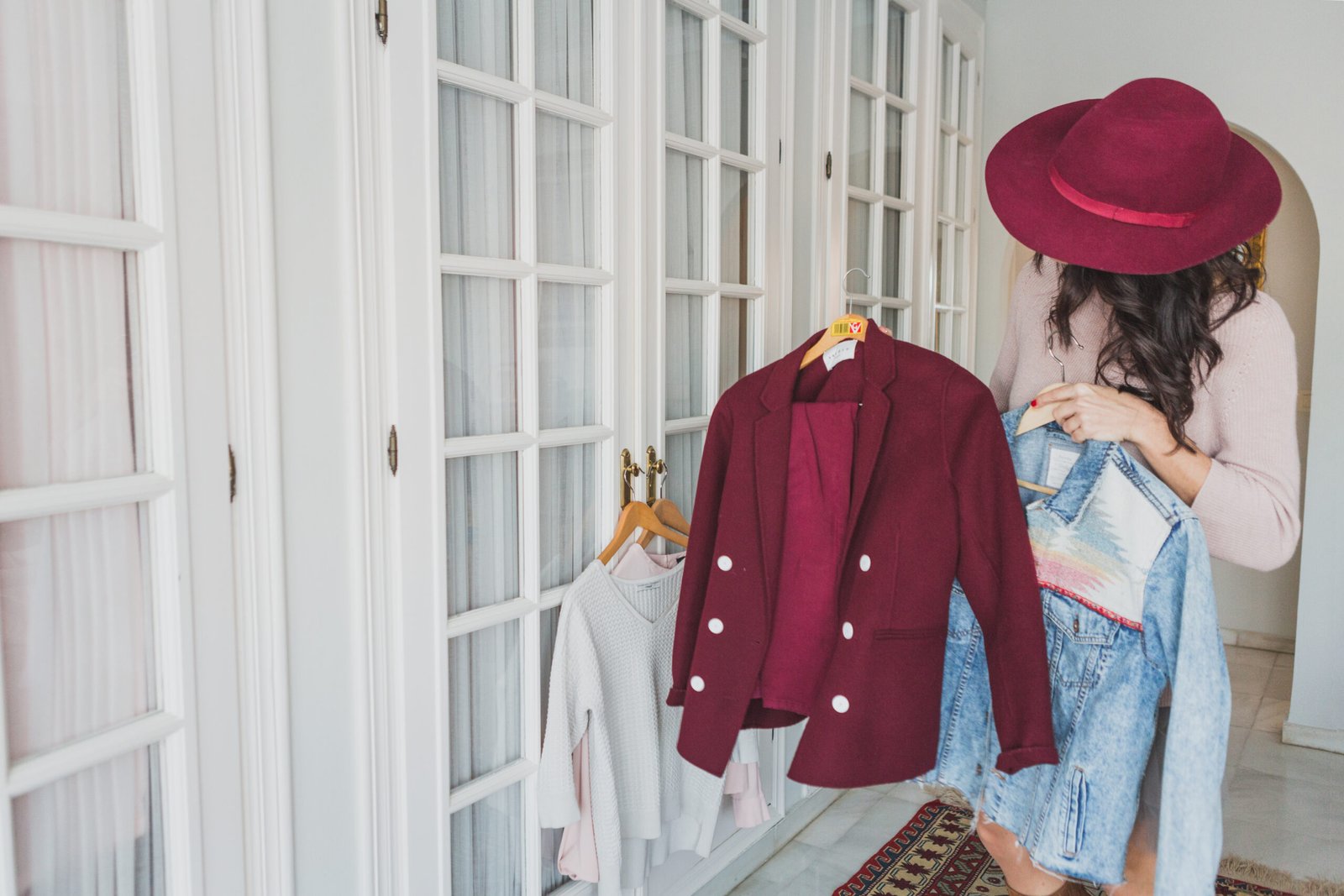
Few things stall a morning faster than an occasion you can’t quite categorize. Is this brunch “casual” or “casual but make it cute”? Does a work dinner call for office wear or something a step dressier? Most outfit hesitation doesn’t come from a lack of clothes — it comes from not having a clear read on what the occasion actually calls for.
Occasion dressing is a skill, and like most skills, it gets easier once you understand the underlying framework instead of memorizing a rule for every possible event. This guide breaks that framework down so you can walk into almost any occasion with a plan instead of a guessing game.
The Four Questions That Solve Most Outfit Dilemmas
Before opening the closet, running through four quick questions narrows down the outfit decision far faster than scrolling through inspiration photos:
- What’s the setting? Indoors or outdoors, casual venue or upscale space — the physical setting shapes what’s practical as much as what’s appropriate.
- What time of day is it? Daytime events generally allow for lighter fabrics and more relaxed silhouettes, while evening events tend to call for slightly more polish.
- Who else will be there, and what’s the general expectation? A work colleague’s gathering carries different unspoken norms than a close friend’s casual hangout, even if both are technically “parties.”
- How long will I actually be wearing this? A quick coffee catch-up has different comfort demands than an all-day event or a long dinner.
Running through these four questions takes less time than it does to describe, and it consistently narrows an overwhelming number of outfit options down to a manageable handful.
If you want to Read more Fashion Related article visit: StyleBlooming
Casual Doesn’t Mean “Whatever’s Clean”
One of the most common misreads of occasion dressing is treating “casual” as the absence of effort, when in practice most casual occasions still have an implied baseline. A casual coffee date, a casual work happy hour, and a casual family dinner all technically fall under the same label, yet each carries a slightly different expectation.
A reliable approach to casual dressing is building around well-fitted basics — a good pair of jeans or trousers, a top that isn’t purely loungewear, and one intentional accessory or layer. This baseline reads as put-together without tipping into overdressed, and it flexes easily across most casual settings with small swaps.
Smart-Casual: The Most Useful (and Most Misunderstood) Category
Smart-casual shows up constantly on invitations and dress codes, and it’s also the category people misjudge most often. It sits in the middle ground between relaxed and formal, and the safest way to interpret it is tailored separates in a slightly elevated fabric — think a blouse with tailored trousers, or a midi skirt with a fitted top — rather than full loungewear on one end or a formal gown or suit on the other.
A useful mental shortcut: smart-casual should look like you made an effort without looking like you’re dressed for a different, more formal event entirely.
Dressing for Work-Adjacent Occasions
Work events that fall outside the standard office — a client dinner, a networking event, an offsite — create their own category of confusion, since the professional expectation doesn’t disappear just because the setting feels more relaxed. In these cases, it generally helps to dress one small step more polished than the venue alone might suggest, since professional context tends to outweigh venue casualness.
A blazer over a simple outfit, a slightly more tailored trouser, or swapping sneakers for a clean flat or loafer are small adjustments that shift a casual base outfit into work-appropriate territory without requiring an entirely separate wardrobe.
Evening Events: Where Fabric and Lighting Matter Most
Evening occasions call for a different set of considerations than daytime ones, largely because lighting and setting shift. Richer fabrics — silk, velvet, structured knits — tend to read better under evening lighting than the breathable cottons and linens that work well in daylight. Darker or more saturated color palettes also tend to feel more intentional for evening settings, even within a casual dress code.
A simple way to shift a daytime outfit into evening-appropriate territory: swap a lighter fabric top for a richer one, add a slightly bolder accessory, and consider a heeled shoe if the setting and duration allow for it comfortably.
When in Doubt, Default to Slightly Overdressed
Across nearly every occasion-dressing dilemma, being slightly overdressed tends to feel far less uncomfortable than being noticeably underdressed. A polished, well-fitted outfit that turns out to be a touch more formal than necessary rarely draws negative attention, while an outfit that reads as too casual for the room is harder to recover from once you’re there.
This doesn’t mean over-planning every outing — it simply means that when an occasion feels genuinely ambiguous, leaning toward the more put-together end of your options is the safer default.
Building a Wardrobe That Handles Multiple Occasions
Rather than owning a separate outfit for every occasion type, a more efficient approach is building a small set of adaptable pieces that shift across categories with small changes. A well-fitted blazer, for instance, can move a casual outfit into smart-casual territory, add polish to a work event, or layer over an evening look — all without needing three separate blazers for three separate purposes.
Identifying two or three “swing pieces” like this — items that consistently elevate or adjust an outfit’s formality — tends to solve occasion-dressing stress far more effectively than expanding the wardrobe itself.
Frequently Asked Questions
How do I interpret a dress code that isn’t clearly defined?
Let the venue, time of day, and who’s attending guide the decision. When still unsure, leaning slightly more polished than the minimum expectation is generally the safer choice.
What’s the fastest way to shift an outfit from day to evening?
Swap a lighter-fabric piece for a richer one, add one bolder accessory, and consider a dressier shoe if practical for the setting.
Is it better to overdress or underdress when unsure?
Slightly overdressed tends to be the more forgiving choice, since it rarely draws negative attention, while underdressing can be harder to adjust for once you’ve arrived.
Do I need a separate outfit for every type of occasion?
Not necessarily. A handful of adaptable “swing pieces” — a blazer, a versatile dress, a good pair of trousers — can be styled differently to cover most occasion types without needing an outfit built from scratch for each one.
Final Thought
Occasion dressing feels complicated mainly because it’s treated as a fixed rulebook instead of a flexible framework. Once you understand how setting, time of day, and context shape expectations, most outfit decisions become far faster and far less stressful.
For complete outfit breakdowns across a wide range of occasions and settings, Style Blooming’s outfit ideas for every occasion guide walks through full looks and styling notes suited to specific events.