




Hard water is a common issue in many households and industries, causing scale buildup, reduced appliance efficiency, and dry skin or hair problems. Traditionally, water softening has relied on salt-based systems, but with growing awareness about health, environment, and maintenance, salt free water softeners have become a popular alternative. These systems provide an innovative way to treat hard water without using sodium or chemical regeneration, making them a more natural and low-maintenance solution for modern water conditioning needs.
What Are Salt Free Water Softeners
Salt free water softeners are advanced water conditioning systems designed to reduce the negative effects of hard water without actually removing the essential minerals like calcium and magnesium. Instead of using salt-based ion exchange, these systems use physical or catalytic processes to change the structure of hardness minerals so they do not stick to surfaces or form scale.
This means the water remains mineral-rich, but its scaling properties are neutralized. As a result, appliances, pipes, and fixtures are protected from buildup while the water remains healthier for drinking and daily use.
How Salt Free Systems Work
Unlike traditional softeners that remove calcium and replace it with sodium, salt free systems work through a process called Template Assisted Crystallization (TAC) or similar conditioning technologies. In this process, hardness minerals are transformed into microscopic crystals that remain suspended in water instead of sticking to surfaces.
Because these crystals cannot form scale, they pass harmlessly through plumbing systems. This method does not require electricity, salt refills, or backwashing, making it highly efficient and easy to maintain. The system continuously conditions water without interrupting flow or wasting water during regeneration cycles.
Key Benefits of Salt Free Water Softeners
One of the biggest advantages of salt free systems is that they are eco-friendly. Since they do not discharge salt brine into the environment, they help protect soil and water ecosystems. This makes them a more sustainable option compared to traditional softeners.
They are also extremely low maintenance. There is no need to refill salt, clean tanks, or perform frequent servicing. Once installed, the system works continuously for years with minimal attention.
Another major benefit is that they retain healthy minerals in water. Unlike salt-based systems, which remove calcium and magnesium completely, salt free systems preserve these essential minerals that are beneficial for bone and overall health.
They also help extend the life of plumbing systems and appliances by preventing scale buildup in pipes, water heaters, washing machines, and faucets.
Difference Between Salt Based and Salt Free Systems
Salt-based water softeners use ion exchange technology to remove hardness minerals and replace them with sodium. While this effectively softens water, it increases sodium levels and requires regular maintenance, including salt refilling and system regeneration.
On the other hand, salt free water softeners do not remove minerals but alter their structure so they cannot cause scaling. This means there is no sodium addition, no wastewater discharge, and no need for regeneration cycles.
While salt-based systems may feel slightly “softer” to the touch, salt-free systems are more suitable for people looking for a maintenance-free and environmentally friendly solution.
Where Salt Free Systems Are Commonly Used
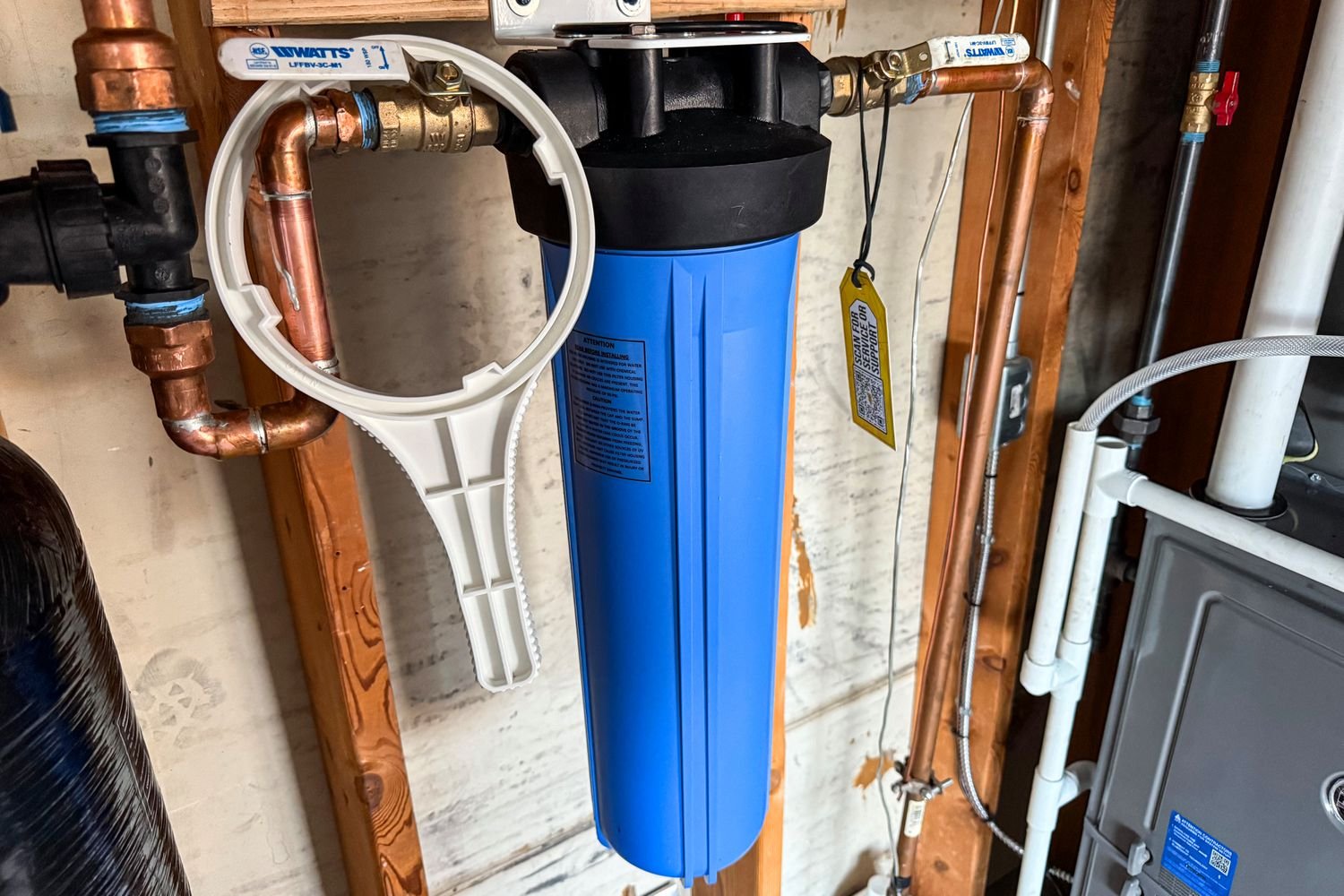
These systems are widely used in residential homes where people want to protect appliances and plumbing without changing water chemistry drastically. They are also popular in apartments and modern housing units due to their compact design and easy installation.
In commercial settings such as hotels, restaurants, and office buildings, salt free systems help maintain equipment efficiency and reduce maintenance costs caused by scale buildup.
Industries that require consistent water flow without scaling issues also benefit from these systems, especially where large water usage makes salt-based systems less practical.
Maintenance and Long-Term Performance
One of the strongest advantages of salt free systems is their minimal maintenance requirement. Unlike traditional softeners, they do not require salt refilling or frequent cleaning cycles. The main maintenance task is periodic replacement of the conditioning media, which usually lasts several years depending on water quality and usage.
Since there is no brine tank or regeneration process, there is also no risk of system downtime or water waste. This makes them highly reliable for long-term use.
For optimal performance, regular water testing is recommended to ensure that the system is functioning effectively under local water conditions.
Environmental Advantages
Salt free systems are considered environmentally responsible because they do not discharge salt or chemicals into wastewater systems. Traditional softeners can contribute to increased salinity in groundwater and soil, which can negatively affect agriculture and ecosystems.
By eliminating salt discharge and reducing water waste, these systems support sustainable water management practices. This makes them an ideal choice for environmentally conscious users who want to reduce their ecological footprint.
Common Misconceptions About Salt Free Systems
A common misunderstanding is that salt free systems work exactly like traditional softeners. In reality, they do not remove hardness minerals but instead neutralize their scaling effect. This means water will not feel as slippery as fully softened water, but it will still prevent scale buildup effectively.
Another misconception is that they are not effective. In fact, modern conditioning technologies are highly efficient in preventing scale formation, especially in residential and light commercial applications.
Choosing the Right Water Conditioning System
Selecting the right system depends on water hardness levels, usage requirements, and maintenance preferences. For users who want zero maintenance and eco-friendly operation, salt free systems are often the best choice. However, in cases of extremely hard water or specific industrial requirements, a traditional system may still be considered. A proper water test is always recommended before making a final decision to ensure the system matches actual water conditions. Professional consultation and installation services can also help ensure correct system sizing and long-term performance, and you can explore more for expert guidance and solutions.
Conclusion
Salt free water softeners represent a modern and sustainable approach to handling hard water problems without the drawbacks of traditional salt-based systems. They protect plumbing, improve appliance life, and maintain healthy minerals in water while eliminating the need for salt, electricity, and wastewater discharge.
As more people move toward eco-friendly and low-maintenance solutions, these systems are becoming increasingly popular in homes and commercial spaces. With proper selection and installation, salt free systems offer a reliable and long-lasting way to manage water hardness while supporting a healthier and more sustainable lifestyle.