



Introduction
Land development, property maintenance, and outdoor project preparation often begin with removing unwanted vegetation. Overgrown trees, dense shrubs, and thick brush can limit land usability, pose fire hazards, and obstruct construction or landscaping plans. This is where tree and brush clearing becomes an essential process in transforming raw or unmanaged land into functional space.
Whether the goal is residential development, agricultural use, infrastructure construction, or wildfire prevention, clearing vegetation requires careful planning, proper equipment, and environmental awareness. The importance of tree and brush clearing use becomes clear when considering how significantly it improves land accessibility, safety, and long-term usability.
Tree and brush clearing refers to the removal of unwanted vegetation, including trees, shrubs, vines, stumps, and undergrowth, from a specific area of land. The process can range from selective removal of small vegetation to complete land clearing for large-scale development projects.Unlike simple gardening or trimming, this process often involves heavy machinery and specialized techniques to handle dense or mature vegetation. The objective is not only removal but also preparing the land for its intended purpose, whether construction, farming, or environmental management.
Reasons for Tree and Brush Clearing
There are several reasons why landowners and developers invest in vegetation clearing.One of the most common reasons is land development. Before building homes, commercial structures, or infrastructure, the land must be cleared and leveled.Agricultural expansion is another major reason. Farmers often remove dense brush and trees to create usable farmland and improve soil accessibility.Fire prevention is also a critical factor, especially in dry regions. Overgrown vegetation can fuel wildfires, making clearing an important safety measure.Additionally, clearing improves property aesthetics and increases usable outdoor space for landscaping or recreational purposes.
Planning Before Clearing Begins
Proper planning is essential before starting any clearing project. The first step is assessing the land to determine the type and density of vegetation present. This helps decide whether manual tools or heavy machinery will be required.
Environmental considerations are also important. Certain trees may be protected by local regulations, and wildlife habitats must be taken into account before removal.A clear objective should be defined, whether it is full land clearing or selective removal. This helps control costs and ensures efficient execution.The use of tree and brush clearing in planning ensures that projects are carried out systematically and in compliance with environmental and safety standards.
Methods of Tree and Brush Clearing
There are several methods used depending on the scale and purpose of the project.
Manual Clearing
This method involves using hand tools such as chainsaws, axes, and pruning equipment. It is suitable for small areas or selective removal of vegetation.
Mechanical Clearing
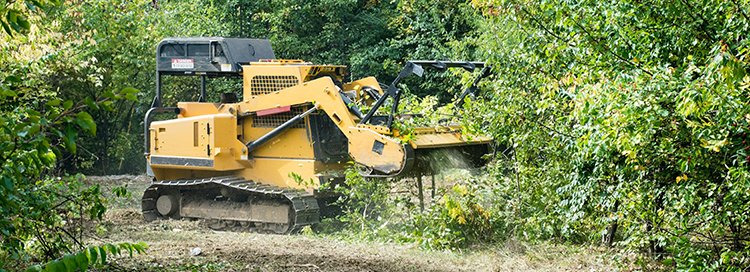
Heavy machinery such as bulldozers, excavators, and mulchers is used for large-scale projects. This method is faster and more efficient for dense vegetation.
Chemical Clearing
Herbicides are sometimes used to kill unwanted vegetation. This method is often combined with physical removal to prevent regrowth.
Controlled Burning
In some cases, controlled burns are used to remove dry vegetation. This method requires strict safety measures and regulatory approval.
Each method has advantages and limitations depending on terrain, vegetation type, and project goals.
Equipment Used in Clearing Operations
Tree and brush clearing requires a range of specialized equipment. Chainsaws are commonly used for cutting trees and large branches. Brush cutters and trimmers help manage smaller vegetation and undergrowth.Heavy machinery such as skid steer loaders, excavators, and forestry mulchers are used for large-scale clearing projects. These machines can quickly remove dense vegetation and grind it into mulch.Stump grinders are used to remove tree stumps after cutting, ensuring the land is fully usable. Safety gear such as helmets, gloves, goggles, and protective clothing is essential for workers.Proper equipment selection ensures efficiency and safety during the clearing process.
Safety Considerations During Clearing
Safety is a critical aspect of vegetation removal. Falling trees, flying debris, and heavy machinery all pose significant risks.Before starting work, the area must be inspected for hazards such as unstable trees, hidden obstacles, or uneven terrain. Workers must be trained in equipment handling and emergency procedures.Protective gear is mandatory to prevent injuries. Communication systems are also important when working in teams, especially during large-scale operations.Following proper safety protocols ensures that tree and brush clearing use is carried out without accidents or damage.
Environmental Impact and Considerations
Clearing vegetation has both positive and negative environmental impacts. On one hand, it improves land usability and reduces fire risks. On the other hand, excessive clearing can lead to soil erosion, habitat loss, and biodiversity reduction.
Sustainable clearing practices aim to minimize environmental damage. Selective clearing, rather than complete removal, helps preserve ecosystems while achieving project goals.Replanting and land restoration efforts are often recommended after clearing to maintain ecological balance. Proper disposal or reuse of cleared vegetation, such as converting it into mulch, also helps reduce environmental impact.
Benefits of Tree and Brush Clearing
One of the main benefits is improved land usability. Once vegetation is removed, the land becomes suitable for construction, farming, or landscaping.
Safety is another major benefit, especially in fire-prone areas where dense brush can increase wildfire risk. Clearing reduces fuel for fires and improves emergency access.Aesthetic improvement is also significant. Cleared land appears more organized and visually appealing, increasing property value.In agricultural settings, clearing improves soil access and allows for better crop growth and land management.
Challenges in Clearing Projects
Despite its benefits, tree and brush clearing can present several challenges. Dense vegetation and large trees require heavy machinery and skilled operators, increasing project complexity.
Uneven terrain or rocky soil can make equipment operation difficult. Weather conditions may also delay work, especially in wet or windy environments.Regulatory restrictions may limit clearing activities in certain areas, particularly where environmental protection laws apply.Cost is another factor, as large-scale clearing projects require significant investment in equipment, labor, and disposal.
Cost Factors in Clearing Operations
The cost of tree and brush clearing depends on several variables. The size of the land is one of the most important factors, as larger areas require more time and resources.
Vegetation density also affects cost. Thick forests or overgrown areas are more expensive to clear than lightly vegetated land.Accessibility plays a role as well. Remote or difficult-to-access sites may require specialized equipment, increasing expenses.Labor, equipment rental, and disposal of cleared materials all contribute to the overall cost of the project.
After clearing is complete, ongoing maintenance is often necessary to prevent regrowth. Regular inspection and removal of new vegetation help maintain land usability.Soil stabilization techniques may be used to prevent erosion, especially on sloped land. In some cases, landscaping or replanting is done to maintain environmental balance.The consistent application of tree and brush clearing use in maintenance planning ensures that land remains functional and well-managed over time.
Role in Construction and Land Development
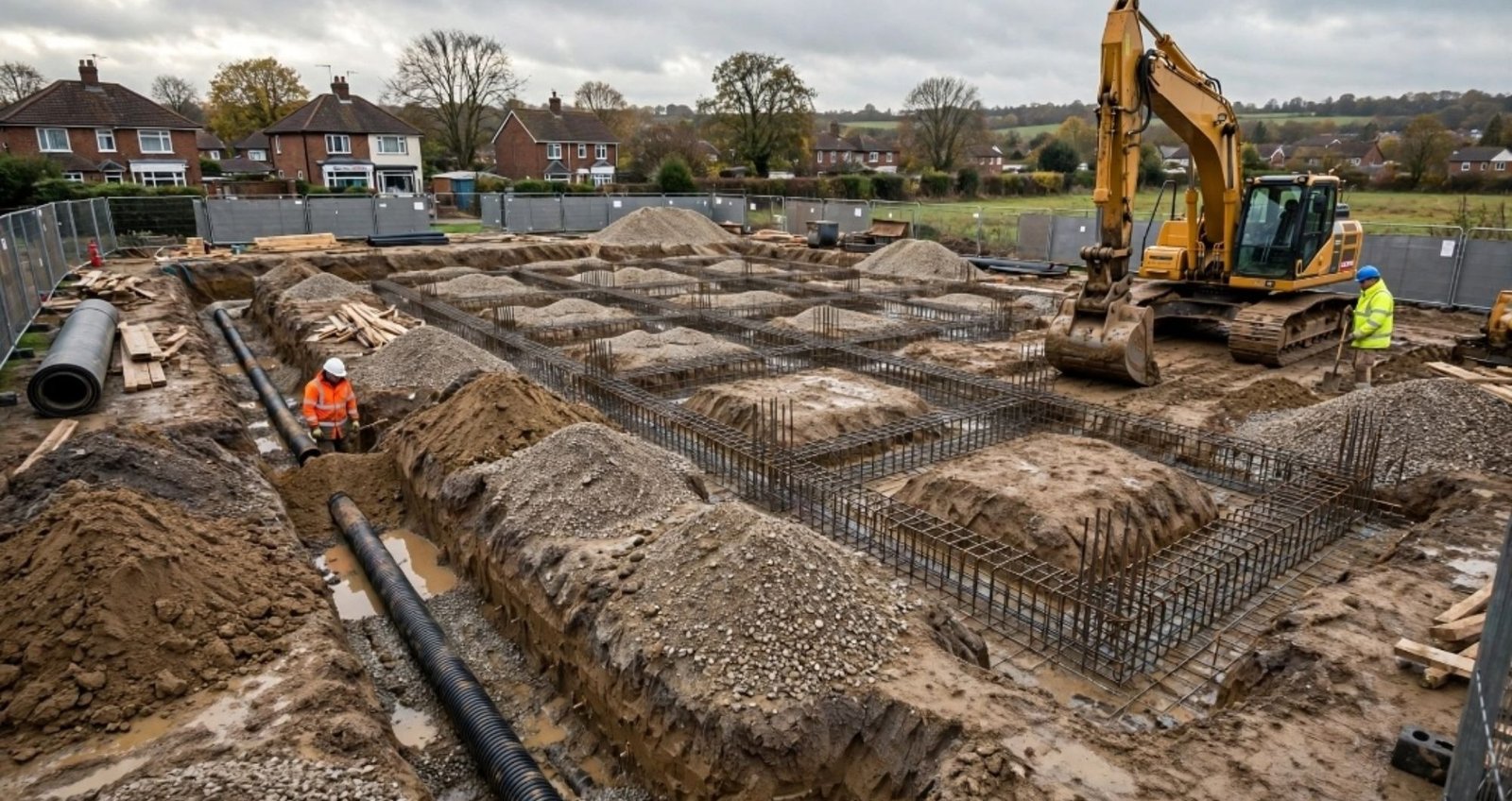
Tree and brush clearing is a foundational step in construction projects. Without proper clearing, building foundations cannot be safely or effectively installed.It also plays a key role in road construction, utility installation, and infrastructure expansion. Clear land allows engineers and contractors to work efficiently without obstruction.In real estate development, cleared land increases project value and accelerates construction timelines.
The future of vegetation management is moving toward more sustainable and technology-driven solutions. Advanced machinery with GPS and automation is improving precision and efficiency.Eco-friendly clearing methods are also gaining popularity, focusing on minimal environmental disruption and sustainable land use.Drones and mapping technology are being used to survey land before clearing, improving planning accuracy and reducing unnecessary removal.As environmental awareness grows, tree and brush clearing practices are expected to become more balanced between development needs and ecological preservation.
Conclusion
Tree and brush clearing is a vital process in land development, safety management, and environmental control. It transforms overgrown or unused land into functional, accessible, and safe spaces for various applications.From manual techniques to advanced machinery, the methods used depend on project size and requirements. While the process offers significant benefits, it also requires careful planning, safety measures, and environmental consideration.The importance of tree and brush clearing use lies in its ability to prepare land efficiently while supporting development, agriculture, and safety objectives.With proper execution and sustainable practices, vegetation clearing contributes to long-term land value, usability, and environmental balance.