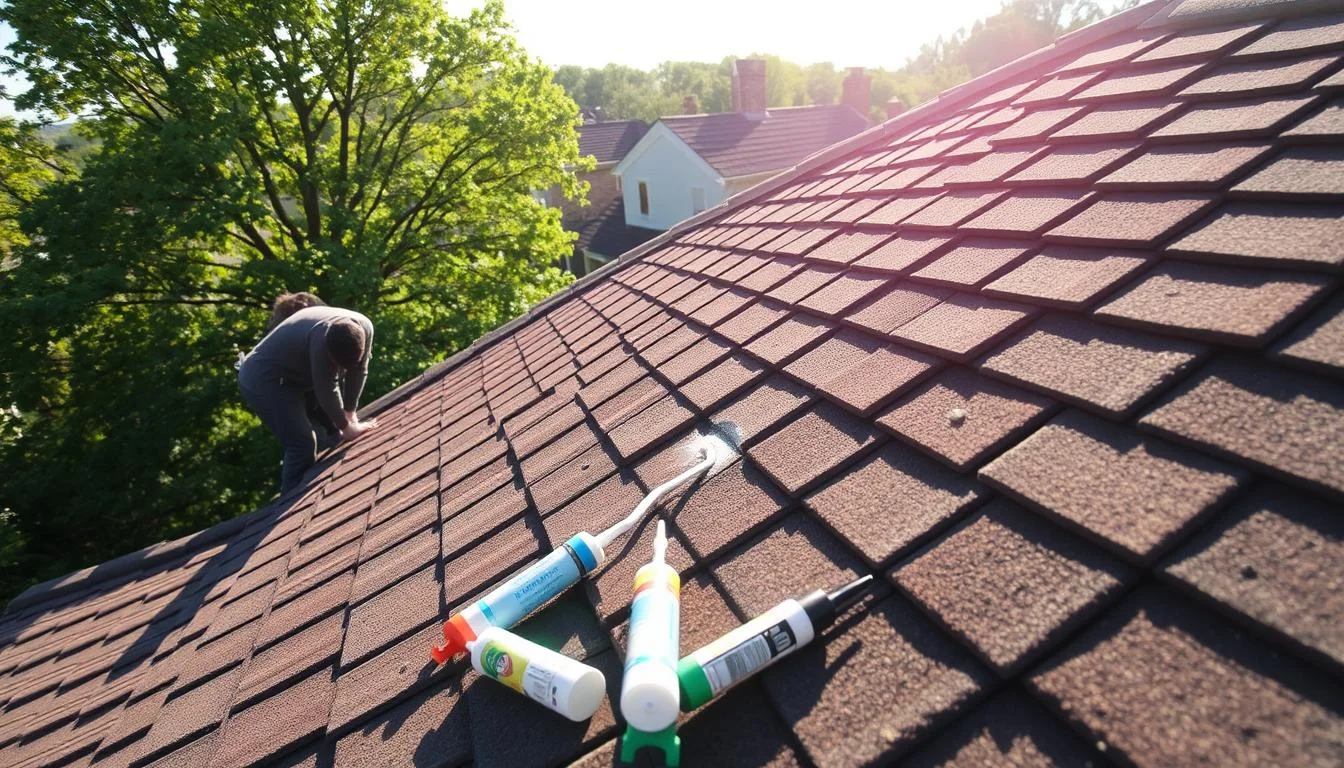





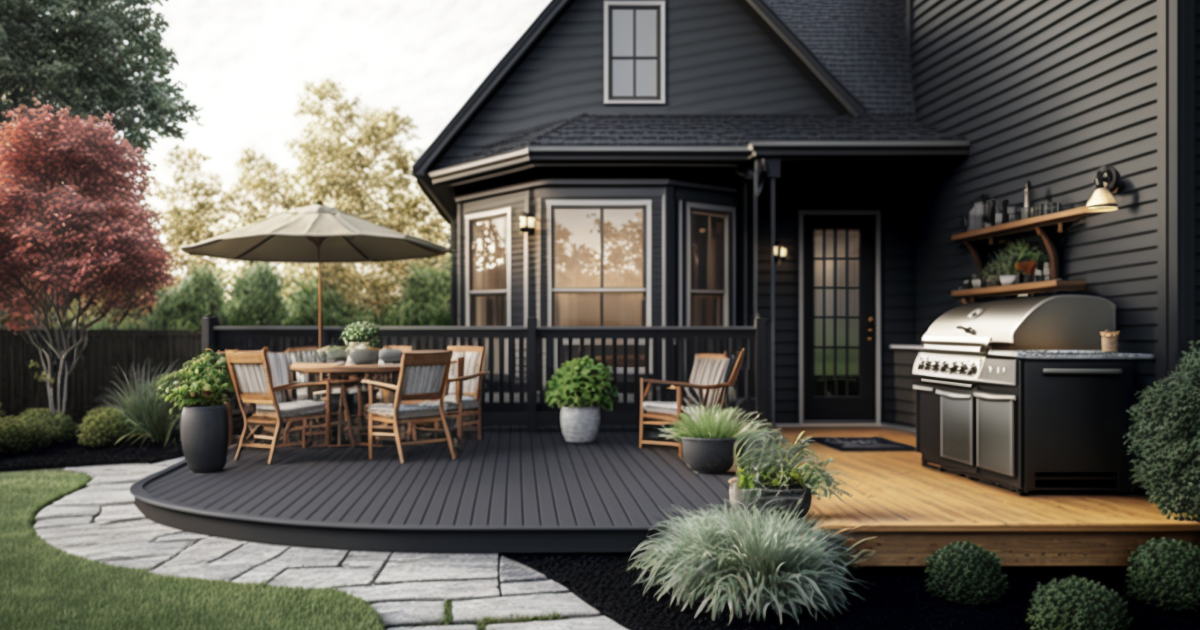
Deck painting is an essential part of outdoor home maintenance that not only improves the appearance of a wooden deck but also protects it from weather damage, moisture, UV exposure, and general wear and tear. A well-painted deck can completely transform an outdoor space, making it more inviting, durable, and visually appealing. Whether used for relaxation, entertainment, or family gatherings, a deck is constantly exposed to environmental stress, making proper painting and upkeep a necessity rather than a luxury.
Over time, untreated or poorly maintained decks can develop cracks, fading, splintering, and even structural weakening due to prolonged exposure to sunlight and moisture. Deck painting serves as a protective barrier that helps preserve the wood while enhancing its natural beauty. Understanding the correct process, materials, and maintenance techniques ensures long-lasting results and prevents costly repairs in the future.
Importance of Deck Painting for Protection and Durability
Wood is a natural material that reacts to environmental conditions. Without protection, it absorbs moisture during rainy seasons and loses it during dry weather, leading to expansion and contraction. This constant movement can cause cracking, warping, and weakening of the structure.
Deck painting helps stabilize the wood by sealing its surface and preventing excessive moisture penetration. It also protects against ultraviolet rays, which can cause fading and deterioration over time. In addition to protection, painting enhances the deck’s appearance by adding color, texture, and a clean, finished look that complements outdoor surroundings.
Another important benefit is pest resistance. Properly sealed and painted wood is less attractive to insects such as termites and wood-boring beetles, which can cause serious structural damage if left unchecked.
Preparing the Deck Before Painting
Proper preparation is one of the most important steps in achieving a high-quality finish. A poorly prepared surface can lead to uneven paint application, peeling, and reduced durability. The preparation process begins with a thorough cleaning of the deck to remove dirt, dust, mold, and old coatings.
Power washing is commonly used to clean deep into the wood grain, ensuring that all debris is removed. After washing, the deck must be allowed to dry completely before any painting begins, as moisture trapped in the wood can affect adhesion and lead to future peeling.
Sanding is often required to smooth rough surfaces and remove old paint or stain. This step ensures that the new coating adheres properly and provides an even finish. Any damaged boards or loose nails should also be repaired or replaced before painting begins.
Choosing the Right Paint or Coating
Selecting the appropriate paint or coating is crucial for long-lasting results. Exterior-grade paints and stains are specifically designed to withstand outdoor conditions. Solid color stains provide strong coverage while still allowing some wood texture to show through, whereas deck paints offer a fully opaque finish with maximum protection.
Oil-based products are known for deep penetration and durability, while water-based options are easier to clean and more environmentally friendly. The choice depends on the desired appearance, level of protection, and maintenance preferences.
Some homeowners prefer semi-transparent stains that enhance the natural grain of the wood while providing moderate protection. Others opt for fully painted finishes for a more uniform and bold appearance. Regardless of the choice, using high-quality materials ensures better performance and longevity.
Step-by-Step Deck Painting Process
The deck painting process begins with ensuring the surface is completely clean, dry, and smooth. Once preparation is complete, a primer may be applied depending on the type of paint being used. Primers help improve adhesion and enhance color consistency.
The paint is then applied using brushes, rollers, or sprayers depending on the size and design of the deck. Brushes are often used for edges and detailed areas, while rollers are ideal for larger surfaces. Multiple thin coats are preferred over a single thick coat, as this ensures even coverage and better durability.Allowing proper drying time between coats is essential to achieve a strong and long-lasting finish. Rushing the process can result in uneven surfaces and reduced protection.
Common Mistakes to Avoid in Deck Painting
One of the most common mistakes is painting over a dirty or damp surface. This prevents proper adhesion and leads to peeling or bubbling over time. Another mistake is using the wrong type of paint or coating, which may not withstand outdoor conditions.Applying paint in extreme weather conditions, such as very hot or humid environments, can also affect drying and curing. Additionally, skipping surface preparation steps like sanding or priming can significantly reduce the lifespan of the paint job.Using low-quality materials is another frequent issue that results in fading, cracking, and frequent repainting. Investing in high-quality products and proper preparation ensures better long-term results.
Maintenance After Deck Painting
Even after a successful paint job, regular maintenance is essential to preserve the deck’s appearance and durability. Routine cleaning helps prevent dirt buildup and reduces the risk of mold or mildew growth. Sweeping leaves and debris regularly also prevents moisture retention on the surface.Periodic inspections allow early detection of issues such as peeling paint, cracks, or water damage. Addressing these problems early helps avoid more extensive repairs in the future.Depending on environmental conditions and usage, decks may require repainting or touch-ups every few years to maintain optimal protection and appearance.
Weather Impact on Painted Decks
Weather plays a significant role in the condition of a painted deck. Sunlight exposure can cause fading and surface deterioration over time, while rain and snow introduce moisture that can weaken the wood if not properly sealed.
Seasonal changes also contribute to expansion and contraction of the material, which may lead to minor cracks or surface wear. Using weather-resistant coatings helps minimize these effects and extends the life of the paint.In areas with extreme climates, more frequent maintenance may be necessary to ensure continued protection and performance.
Benefits of Professional Deck Painting Services
While some homeowners choose to paint their decks themselves, professional services offer several advantages. Experienced painters have the knowledge, tools, and techniques required to achieve a smooth and durable finish. They also ensure proper surface preparation, which is critical for long-lasting results.Professionals can recommend the best products based on wood type, climate conditions, and usage patterns. Their expertise helps avoid common mistakes and ensures a high-quality finish that enhances both appearance and durability.Hiring professionals also saves time and effort, especially for large or complex deck structures.
Sustainability has become an important consideration in outdoor maintenance. Many modern paints and stains are designed to be environmentally friendly, with low volatile organic compound (VOC) content that reduces harmful emissions.Water-based coatings are often preferred for their reduced environmental impact and easier cleanup process. Additionally, some products are made using natural ingredients that provide protection without harmful chemicals.
Choosing eco-friendly options helps protect both the environment and the health of those using the outdoor space.
Enhancing Outdoor Aesthetics Through Deck Painting
Beyond protection, deck painting plays a major role in enhancing the visual appeal of outdoor spaces. The right color choice can complement the surrounding landscape, exterior walls, and outdoor furniture.
Light colors can make a space feel more open and airy, while darker tones create a more elegant and modern look. Creative design techniques, such as color zoning or pattern painting, can also add uniqueness and character to the deck.A well-painted deck becomes an extension of the home’s living space, increasing comfort and usability.
Conclusion
Deck painting is an essential aspect of maintaining and enhancing outdoor wooden structures. It provides protection against environmental damage, improves aesthetic appeal, and extends the lifespan of the deck. Proper preparation, high-quality materials, and correct application techniques are key to achieving long-lasting results.
With regular maintenance and timely repainting, a painted deck can remain beautiful and functional for many years. Whether done as a DIY project or through professional services, deck painting is a valuable investment in both the durability and enjoyment of outdoor living spaces.