



Pressure washing is a highly effective cleaning method used to remove dirt, grime, mold, mildew, algae, and other contaminants from various surfaces. It uses high-pressure water spray to clean exterior areas such as driveways, sidewalks, walls, roofs, decks, and commercial spaces. Over time, outdoor surfaces accumulate layers of debris that cannot be removed through regular cleaning, making pressure washing an essential part of property maintenance.
Both residential and commercial property owners rely on pressure washing to maintain cleanliness, improve appearance, and protect surfaces from long-term damage. When done correctly, it can restore surfaces to near-original condition and extend their lifespan.
What Is Pressure Washing and How It Works
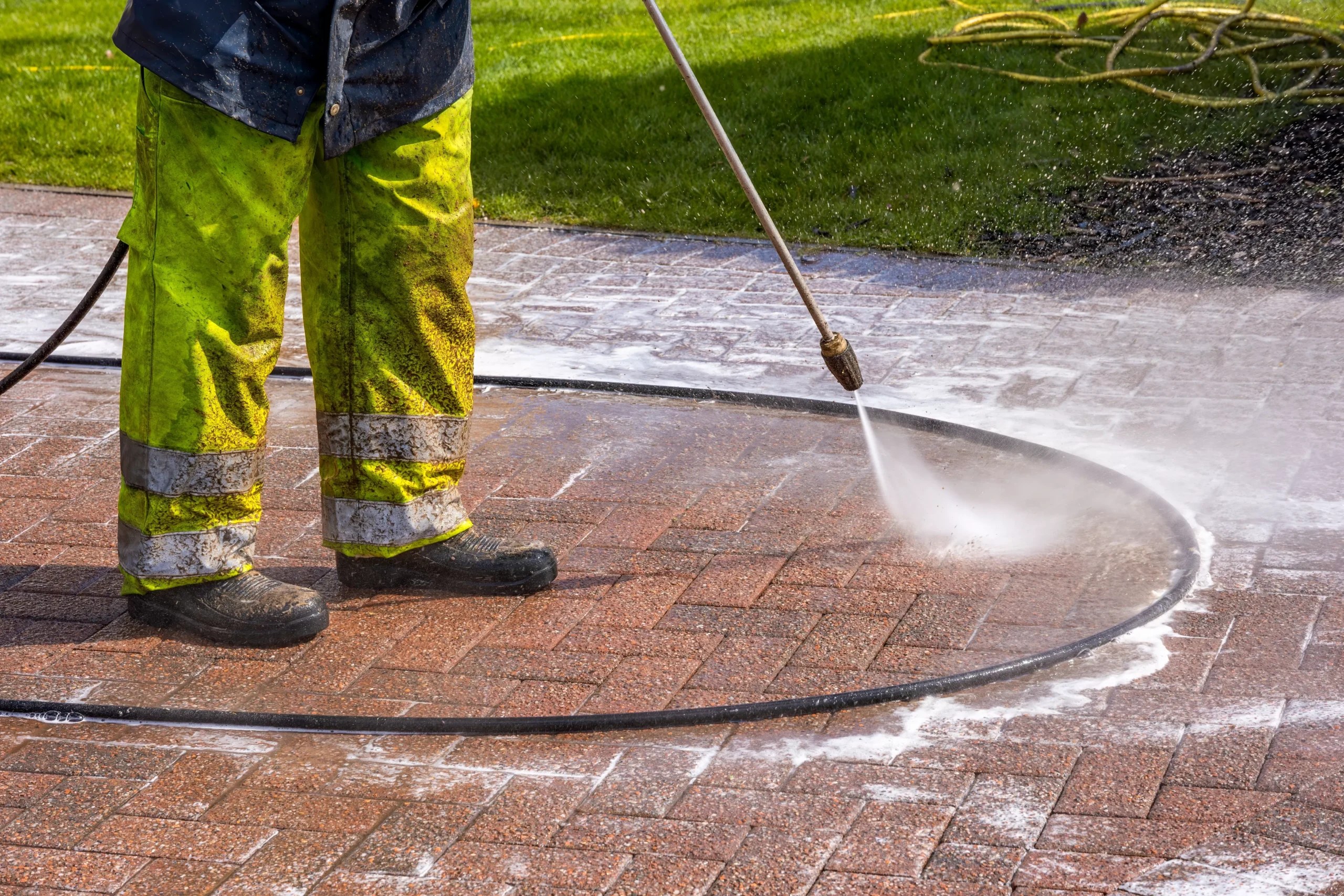
Pressure washing works by using a machine that pumps water at high pressure through a nozzle. This force is strong enough to remove stubborn dirt, stains, and biological growth from surfaces. The pressure level can be adjusted depending on the type of surface being cleaned.
In some cases, cleaning solutions or detergents are added to break down grease, mold, or algae before rinsing. The combination of pressure and cleaning agents ensures deep and effective cleaning.Different nozzles are used to control the angle and intensity of the spray, allowing operators to clean delicate surfaces or tough areas safely.
Common Surfaces Cleaned with Pressure Washing
Pressure washing is suitable for a wide range of surfaces, making it a versatile cleaning solution.
Driveways and sidewalks are commonly cleaned to remove dirt, oil stains, and tire marks. Building exteriors such as brick, concrete, and siding can also be cleaned to restore their original appearance.Decks, patios, and fences benefit from pressure washing by removing weather-related buildup and discoloration.Roofs can also be cleaned using low-pressure techniques to remove moss and algae without causing damage.Commercial areas such as parking lots and storefronts use pressure washing to maintain a clean and professional look.
Benefits of Pressure Washing
Pressure washing offers several important benefits beyond basic cleaning. One of the main advantages is improved appearance. Clean surfaces make a property look well-maintained and attractive.It also helps protect surfaces by removing harmful substances such as mold and algae that can cause damage over time.Pressure washing can increase property value by enhancing curb appeal, especially before selling or renting.Another benefit is improved safety. Removing slippery substances like algae and grease reduces the risk of accidents.Regular cleaning also reduces the need for costly repairs by preventing long-term damage.
Pressure Washing vs Soft Washing
While pressure washing uses high-pressure water, soft washing is a gentler method that uses low pressure combined with specialized cleaning solutions.Soft washing is ideal for delicate surfaces such as roofs, painted walls, and siding, where high pressure could cause damage.Pressure washing is better suited for hard surfaces like concrete, stone, and metal that can withstand strong water force.Choosing the right method depends on the surface type and level of dirt or buildup.
Pressure washing requires specialized equipment to deliver effective results.The main component is the pressure washer machine, which includes a motor or engine, water pump, and hose. These machines can be electric or gas-powered depending on the level of power required.Nozzles of different sizes control the spray pattern and pressure intensity. Surface cleaners are used for large flat areas to ensure even cleaning.Detergent tanks and chemical injectors allow cleaning solutions to be applied when needed.Safety equipment such as gloves, goggles, and protective clothing is also important during operation.
Safety Considerations in Pressure Washing
Pressure washing involves high-pressure water that can cause injury or damage if not handled properly.Operators must maintain a safe distance from surfaces and avoid directing the spray toward people or fragile materials.Electrical hazards should be avoided, especially when using water near outlets or wiring.Proper protective gear should always be worn to prevent injuries.Understanding the correct pressure settings and techniques is essential for safe and effective cleaning.
The frequency of pressure washing depends on environmental conditions and the type of surface.Most residential properties benefit from pressure washing once a year to maintain cleanliness and prevent buildup.Areas exposed to heavy traffic, pollution, or moisture may require more frequent cleaning.Regular maintenance helps keep surfaces in good condition and prevents long-term damage.
Professional Pressure Washing vs DIY
While pressure washing can be done as a DIY task, professional services often provide better results.
Professionals have the experience to choose the correct pressure level, cleaning solutions, and techniques for different surfaces.They also use advanced equipment that delivers more efficient and consistent results.DIY pressure washing can be effective for small tasks but may lead to damage if not done correctly.Hiring professionals ensures thorough cleaning and reduces the risk of mistakes.
Modern pressure washing practices are becoming more environmentally friendly.Eco-friendly detergents are used to minimize harm to plants and water systems.Water usage is carefully managed to reduce waste while maintaining cleaning efficiency.Proper disposal of runoff water ensures that contaminants do not affect surrounding areas.Sustainable cleaning methods help protect both property and the environment.
Common Mistakes to Avoid in Pressure Washing
There are several common mistakes that can reduce effectiveness or cause damage.Using excessive pressure can damage surfaces such as wood, paint, or siding.Holding the nozzle too close can create marks or uneven cleaning.Using the wrong cleaning solution may not remove stains effectively or could harm surfaces.Skipping surface preparation can lead to incomplete cleaning.Avoiding these mistakes ensures better results and protects surfaces.
Pressure washing is widely used in both residential and commercial environments.In homes, it is used to clean driveways, patios, walls, roofs, and fences. It helps maintain a clean and attractive living space.In commercial settings, pressure washing is used to maintain storefronts, parking lots, warehouses, and public areas.Clean commercial spaces create a positive impression and improve customer experience.
Conclusion: The Value of Pressure Washing
Pressure washing is a powerful and efficient cleaning method that plays an important role in property maintenance. It removes dirt, mold, and stains while protecting surfaces from long-term damage.With proper techniques, equipment, and safety measures, pressure washing can significantly improve the appearance and durability of various surfaces.
Whether done professionally or as a DIY task, regular pressure washing is a valuable investment that enhances cleanliness, safety, and property value over time.