




Male Pattern Baldness Progression
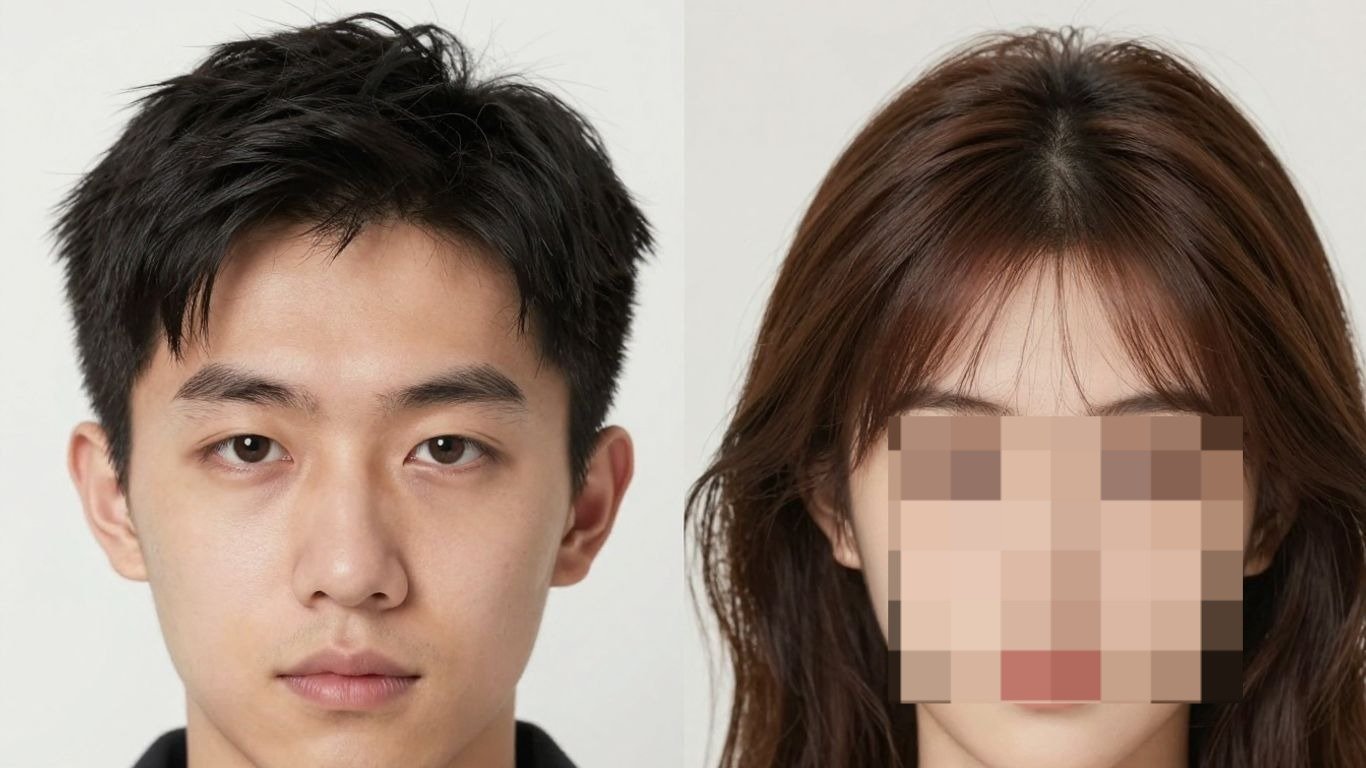
Men often face a predictable pattern of hair loss, commonly known as male pattern baldness. This condition typically starts with a receding hairline, often at the temples, and can progress to thinning at the crown. The male pattern baldness follows a distinct trajectory, leaving a characteristic horseshoe shape of hair around the sides and back of the head. This pattern is largely influenced by genetics and hormones, specifically dihydrotestosterone (DHT).
The progression of male pattern baldness is a key factor in planning a hair transplant. Understanding the extent and direction of this loss helps surgeons determine the best approach for restoration. The stable donor area in men, usually unaffected by this specific type of hair loss, is a significant advantage for transplant procedures. This reliable supply of hair follicles makes male pattern baldness a well-understood challenge in hair restoration.
Female Diffuse Thinning Characteristics
In contrast to the distinct patterns seen in men, women typically experience diffuse thinning. This means hair density decreases across the entire scalp, rather than forming specific bald patches or a receding hairline. The part line may widen, and the overall volume of hair diminishes. This female diffuse thinning can be more challenging to address with transplants because the loss is widespread.
It’s important to recognize that female hair loss isn’t always solely genetic; hormonal fluctuations, stress, and medical conditions can also play a role. This complexity means that a thorough evaluation is needed to understand the root causes of thinning. The diffuse nature of the loss requires a different strategy compared to the more localized areas often seen in men.
Impact on Donor Area Stability
The stability and availability of the donor area are critical for any hair transplant. In men, the hair on the sides and back of the scalp is often genetically resistant to DHT, making it a reliable source for grafts even with advanced male pattern baldness. This genetic resistance is a cornerstone of successful hair restoration for men.
However, for women experiencing diffuse thinning, the donor area might also be affected to some degree. This can make assessing the quality and quantity of available donor hair more complex. Careful evaluation of the donor area is paramount to ensure a successful and natural-looking outcome. The goal is always to harvest healthy follicles without compromising the existing hair in the donor region.
Donor Area Considerations for Transplants
Reliable Donor Supply in Men
Men often have a distinct advantage when it comes to hair transplants: a reliable donor area. This is because male pattern baldness typically spares a horseshoe-shaped zone of hair around the back and sides of the head. This area’s hair is genetically resistant to the hormones that cause hair loss, making it a stable source for grafts. This consistent availability means men usually have ample donor hair for significant restoration procedures.
The robust nature of the male donor area supports both FUE and FUT techniques. This strong donor supply is a key factor in the success rates for male hair restoration. It allows surgeons to harvest a good number of grafts without compromising the donor site’s appearance. The predictability of this donor area is a significant plus for male candidates.
Challenges with Donor Hair in Women
For women, the donor area presents a different picture. Female hair loss, often diffuse thinning, can affect the entire scalp, including areas typically considered donor zones. This means the hair in the back and sides might also be thinner than in men. Assessing the quality and density of a woman’s donor hair is therefore a more complex process.
This diffuse thinning can limit the number of grafts available and make the donor area itself look less dense after harvesting. It requires a very careful evaluation to determine if a woman is a good candidate for a hair transplant and to plan the procedure conservatively. The goal is always to avoid making the donor area look noticeably sparse.
Assessing Donor Hair Quality for Women
Evaluating donor hair quality in women is a meticulous task. Surgeons look at several factors: the density of the hair in the donor region, the thickness of individual hair shafts, and the overall health of the follicles. They need to ensure the donor hair is strong and unlikely to be affected by the same hormonal factors causing thinning elsewhere.
- Density: How many hairs per square centimeter?
- Thickness: Are the individual hairs fine or coarse?
- Resistance: Is this hair likely to miniaturize over time?
A thorough assessment of the donor area is non-negotiable for successful female hair transplantation. It dictates the feasibility and scope of the procedure.
This detailed examination helps set realistic expectations and guides the surgical plan to achieve the best possible aesthetic outcome while preserving the donor site’s integrity. The donor area is truly the foundation of any successful hair transplant.
Aesthetic Differences in Hairline Design
Masculine Hairline Aesthetics
When designing a hairline for men, the goal is often to create a look that’s both natural and distinctly masculine. This usually means a hairline that has a slight recession, perhaps forming a subtle ‘M’ shape or a gently irregular contour. It’s about framing the face in a way that complements their bone structure and age, often aiming for a more defined, sometimes angular appearance. The aim is to restore a youthful, yet mature, masculine look.
Feminine Hairline Design Goals
For women, the approach to hairline design is quite different. The emphasis is on softness and a natural, rounded shape that frames the face beautifully. Unlike men, women typically don’t have a significantly receding hairline; instead, hair loss often presents as diffuse thinning. Therefore, the focus is on creating a lower, more curved hairline that enhances femininity and restores a youthful appearance. It’s about blending seamlessly with existing hair. Specialist providers of hair transplants for women often focus on placing grafts into thinning areas carefully so the result supports natural density without disrupting the surrounding hair.
Restoring Natural Female Hairlines
Recreating a natural female hairline involves a delicate, artistic touch. It’s not just about adding hair, but about understanding the subtle curves and contours that define a feminine facial frame. The goal is to achieve a density that looks completely natural, often requiring meticulous placement of grafts to mimic the existing growth patterns. This careful consideration of hairline design is key to a successful and aesthetically pleasing outcome for women, making the transplant look as if hair loss never occurred.
Graft Count and Placement Strategies
Targeted Grafting for Men
Men often deal with distinct areas of hair loss, like the receding hairline or the crown. This means the focus is on placing grafts precisely where they’re needed most. The goal is to rebuild a strong hairline and fill in those specific bald spots. The number of grafts is usually lower compared to women because the thinning is more concentrated. This targeted approach helps create a natural look in defined zones.
Widespread Grafting for Women
Female hair loss tends to be more diffuse, meaning thinning happens all over the scalp rather than in specific patches. Because of this, a higher graft count is often necessary. The strategy here isn’t just about filling gaps; it’s about restoring overall density. This requires careful planning to make sure the transplanted hair blends in naturally with the existing hair across a larger area.
Mimicking Natural Density in Women
Achieving a natural look in women’s hair transplants is all about density. The challenge is to replicate the fine, widespread thinning pattern without making it look obvious. This involves placing grafts strategically, often between existing hairs, to build up fullness gradually.
- Precision is key: Each graft placement matters.
- Angle and direction: Must match surrounding hair.
- Gradual build-up: Avoids an unnatural, dense look.
The aim is to restore a look of natural fullness, not just cover bald spots. This requires a delicate touch and a deep understanding of female hair growth patterns. The graft count and how they are placed are critical for this success.
The Role of Hormones in Hair Loss
DHT’s Impact on Male Hair Loss
For men, a specific hormone, dihydrotestosterone (DHT), is a major player in hair loss. It’s a byproduct of testosterone. DHT attaches to hair follicles, causing them to shrink over time. This process, known as miniaturization, makes the hair thinner and shorter until it eventually stops growing altogether. This is why male pattern baldness often follows a predictable path, starting with a receding hairline or thinning at the crown. Understanding DHT’s role is key to managing male hair loss.
Hormonal Fluctuations in Women
Women’s hair loss is often linked to different hormonal shifts. Things like pregnancy, menopause, or conditions like thyroid issues and PCOS can throw a woman’s hormones out of balance. These changes can affect hair growth cycles, leading to diffuse thinning across the scalp rather than distinct bald spots. While DHT can play a part in female hair loss too, these broader hormonal fluctuations are frequently the main culprits. It’s a more complex hormonal picture for women.
Combining Transplants with Hormone Therapy
When hormones are a significant factor in hair loss, especially for women, a hair transplant might not be the only solution needed. Sometimes, combining the transplant procedure with hormone therapy can be very effective. This approach tackles the hair loss from two angles: physically restoring lost hair and addressing the underlying hormonal imbalance that’s causing the problem. This dual strategy can lead to better, more sustainable results. It’s about treating the root cause, not just the symptom. The goal is to stabilize the hair loss and promote new growth where possible.
Technique Selection for Women’s Hair Transplants
Advantages of DHI for Density
When it comes to boosting hair density, especially for women experiencing diffuse thinning, the Direct Hair Implantation (DHI) method often stands out. This technique allows for the implantation of individual follicular units directly into the scalp. It’s particularly useful because it doesn’t require shaving the entire head, which is a big plus for many women. The precision involved means grafts can be placed exactly where needed, mimicking natural hair growth patterns.
This method is great for filling in thinning areas without looking obvious. The tools used in DHI give the surgeon a lot of control over the angle and depth of each graft. This level of detail is important for achieving a natural look, especially when blending transplanted hair with existing strands. For women seeking to restore volume and density, DHI offers a less invasive path with potentially faster recovery.
The DHI technique is a top choice for women aiming to increase hair density. It’s a refined approach that prioritizes natural aesthetics and minimizes disruption to daily life. The ability to implant grafts one by one allows for meticulous placement, crucial for achieving the desired fullness and a seamless blend.
Sapphire FUE for Precise Incisions
Sapphire FUE is another advanced technique that has gained traction for its precision. Instead of traditional steel blades, it uses sharp sapphire blades to create the tiny incisions where the hair follicles will be placed. These sapphire blades are harder and sharper, allowing for smaller, cleaner cuts. This can lead to less trauma to the scalp and potentially quicker healing times.
This technique is beneficial for creating a natural-looking hairline and for areas where density is a primary concern. The precision of sapphire blades means the surgeon can control the direction, depth, and angle of each incision with great accuracy. This is vital for ensuring the transplanted hairs grow in the same direction as the natural hair, which is key to a natural appearance. Sapphire FUE is a solid option for women looking for detailed work.
The use of sapphire blades in FUE allows for exceptionally precise incisions, which is critical for natural-looking results in female hair transplantation.
When to Consider Each Technique
Choosing between DHI and Sapphire FUE for women depends on individual needs and the specific hair loss pattern. DHI is often favored when the goal is to increase overall density without extensive shaving, making it ideal for diffuse thinning. It allows for implantation directly into thinning areas, preserving existing hair.
Sapphire FUE, on the other hand, excels in creating precise incisions for hairline reconstruction or when a larger area needs coverage. While it might involve some degree of shaving, the sharpness of sapphire blades can lead to cleaner wounds and potentially faster healing. Both techniques aim for natural results, but the specific application can guide the choice.
Here’s a quick look at when each might be more suitable:
- DHI: Best for diffuse thinning, increasing overall density, and when minimal shaving is preferred.
- Sapphire FUE: Excellent for hairline design, precise incision creation, and when slightly more extensive shaving is acceptable for optimal graft placement.
- Both: Require skilled surgeons and careful patient selection to achieve the best outcomes for women’s hair transplants.
Addressing Emotional and Psychological Needs
Restoring Masculinity and Self-Esteem
For many men, hair loss isn’t just a physical change; it’s a blow to their sense of self. It can feel like a visible marker of aging, chipping away at confidence and how they perceive their own masculinity. A hair transplant can be a powerful tool here, helping to rebuild that lost self-esteem. It’s about more than just hair; it’s about feeling like their younger, more confident selves again. This procedure helps men reclaim a part of their identity that they felt was slipping away.
Enhancing Femininity and Identity
Women often face a unique set of emotional challenges with hair loss. Society tends to link a woman’s hair with her beauty, vitality, and overall femininity. When hair thins or falls out, it can feel like a loss of identity, impacting how they see themselves and how they believe others see them. A successful hair transplant can be truly life-changing for women, helping them feel more like themselves and boosting their confidence significantly. It’s a way to restore not just hair, but a sense of wholeness.
Life-Changing Impact for Women
It’s hard to overstate the profound effect a hair transplant can have on a woman’s life. Beyond the physical restoration, the psychological benefits are immense. Many women report feeling a renewed sense of self-assurance and a significant improvement in their social interactions. This procedure can help women feel more comfortable and less self-conscious in everyday situations, from professional settings to personal relationships. The ability to style their hair as they wish and feel good about their appearance can be incredibly empowering. The emotional impact of addressing hair loss is often the most significant outcome for female patients, making the hair transplant a truly transformative experience.
Wrapping It Up
So, while hair transplants can be a game-changer for both men and women dealing with hair loss, it’s clear they aren’t a one-size-fits-all deal. The way hair loss shows up, where the donor hair comes from, and even what looks good aesthetically – it all changes depending on whether you’re a guy or a gal. Understanding these differences is super important for getting results that look natural and make you feel great. Whether it’s about filling in a receding hairline or boosting overall thickness, a good transplant plan is always tailored to the individual. It’s all about getting you the best possible outcome for your specific situation.