



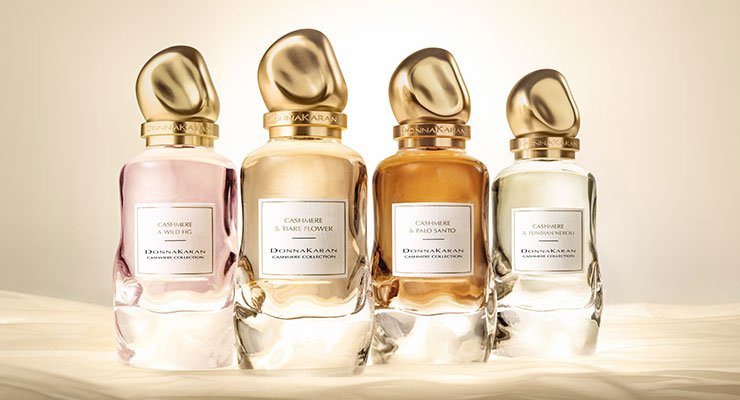
The global fragrance industry is undergoing a notable transformation, driven by shifting consumer expectations, evolving cultural attitudes, and rapid digital influence. Luxury perfumes, once confined to heritage brands and elite clientele, are now at the centre of a broader conversation about identity, sustainability, and sensory experience. Across key markets in Europe, the Middle East, Asia and North America, consumer behaviour is increasingly shaped by a blend of tradition and innovation, redefining how luxury fragrance is produced, marketed and consumed.
A Shift Towards Personal Identity and Individual Expression
Luxury fragrance is no longer viewed merely as an accessory. It has become a form of self-expression, closely tied to personality, lifestyle and emotional identity. Consumers are moving away from universally recognisable scents in favour of more distinctive compositions that reflect individuality. This trend is particularly visible among younger buyers, who prioritise uniqueness over brand recognition.
As a result, niche fragrance houses have gained prominence, offering complex, layered scents that diverge from mainstream formulas. These brands often emphasise storytelling, craftsmanship and artistic direction, appealing to consumers who seek a deeper connection with their chosen scent. The demand for personalised fragrance experiences, including bespoke blending services and curated scent profiles, continues to rise, particularly in urban markets with high disposable income.
The Growing Influence of Sustainability and Ethical Sourcing
Sustainability has emerged as a central concern in the luxury fragrance sector. Consumers are increasingly aware of the environmental and ethical implications of production processes, prompting brands to reassess sourcing methods and packaging practices. Ethical ingredient sourcing, reduced carbon footprints and recyclable packaging are no longer optional considerations but expected standards.
Luxury fragrance houses are investing in transparent supply chains, ensuring that raw materials such as sandalwood, rose and oud are harvested responsibly. In addition, the shift towards biodegradable packaging and refillable bottles reflects a broader move towards circular consumption models. These changes are not only influencing purchasing decisions but also shaping brand loyalty, as consumers align themselves with companies that reflect their values.
Digital Platforms Reshaping Fragrance Discovery
The digital landscape has significantly altered how consumers engage with luxury fragrances. Traditionally, perfume purchasing relied heavily on in-store experiences, where scent could be tested directly. However, the rise of e-commerce and social media has introduced new pathways for discovery.
Platforms such as Instagram, TikTok and YouTube play a critical role in shaping consumer perception. Influencers and fragrance reviewers provide detailed insights into scent profiles, longevity and performance, often guiding purchasing decisions. Digital storytelling, combined with visually driven campaigns, has allowed brands to reach a wider and more diverse audience.
Despite the intangible nature of fragrance, technology has helped bridge the sensory gap. Virtual consultations, AI-driven scent recommendations and sample subscription services enable consumers to explore products remotely with greater confidence. This digital shift has contributed to increased accessibility, particularly in emerging markets where physical retail presence may be limited.
Premiumisation and the Rise of Experiential Luxury
Another defining trend is the premiumisation of fragrance, where consumers are willing to invest more in high-quality, exclusive products. This shift reflects a broader change in spending behaviour, with buyers prioritising fewer but more meaningful purchases.
Luxury fragrances are increasingly positioned as experiences rather than commodities. Limited edition releases, artistic collaborations and immersive retail environments are designed to elevate the act of purchasing into a memorable event. Flagship stores often incorporate sensory installations, allowing customers to engage with scent in a multi-dimensional way.
Established brands continue to maintain relevance by balancing heritage with innovation. Many have expanded their portfolios to include high-end collections that emphasise rare ingredients and intricate compositions. In the middle of this evolving landscape, consumers continue to show strong interest in iconic products, including lancome perfume, which remains associated with timeless elegance while adapting to modern preferences.
Regional Dynamics and Cultural Influences
Consumer behaviour in the luxury fragrance market varies significantly across regions, influenced by cultural traditions, climate and economic factors. In the Middle East, for instance, fragrance plays a deeply rooted role in daily life and social customs. Rich, intense scents featuring oud, amber and musk dominate the market, and consumers often layer multiple fragrances to create a personalised signature.
In contrast, European markets tend to favour lighter, more understated compositions, with an emphasis on freshness and subtlety. Meanwhile, in Asia, there is growing demand for delicate, clean scents that align with local preferences for minimalism and refinement. The rapid expansion of the luxury sector in countries such as China has also contributed to increased interest in premium fragrance products.
North America presents a diverse landscape, where both niche and mainstream brands coexist, driven by strong digital engagement and a culture of experimentation. These regional variations highlight the importance of localisation strategies, as global brands adapt their offerings to meet distinct consumer expectations.
Innovation in Ingredients and Fragrance Composition
Advancements in fragrance chemistry and ingredient development are playing a key role in shaping the industry. Perfumers are increasingly combining traditional natural extracts with innovative synthetic molecules to create unique scent profiles. This approach allows for greater consistency, sustainability and creative freedom.
Synthetic ingredients, once viewed with scepticism, are now recognised for their ability to replicate rare or endangered natural materials without environmental impact. At the same time, there remains strong demand for natural ingredients, particularly those with traceable origins and high purity standards.
The blending of science and artistry is evident in modern fragrance design, where precision and creativity intersect. This innovation extends to performance, with improvements in longevity, projection and skin compatibility enhancing the overall consumer experience.
The Role of Branding and Emotional Connection
Brand identity remains a critical factor in influencing consumer behaviour. Luxury fragrance brands invest heavily in storytelling, using narratives that evoke emotion, aspiration and lifestyle. Advertising campaigns often feature cinematic visuals and high-profile ambassadors, reinforcing the association between fragrance and personal transformation.
Consumers are drawn to brands that offer authenticity and emotional resonance. The ability to connect with a fragrance on a personal level often outweighs traditional considerations such as price or popularity. This shift underscores the importance of trust and credibility, key components of the EEAT framework, in maintaining long-term consumer relationships.
Economic Factors and Market Resilience
Despite global economic uncertainty, the luxury fragrance market has demonstrated resilience. Fragrance is often considered an accessible luxury, allowing consumers to engage with premium brands without the higher cost associated with fashion or jewellery. This positioning has helped sustain demand even during periods of financial constraint.
Emerging markets continue to drive growth, supported by rising disposable incomes and increasing exposure to global luxury trends. At the same time, established markets remain stable, benefiting from strong brand loyalty and consistent consumer engagement.
Industry analysts note that the combination of digital innovation, evolving consumer values and strategic brand positioning will continue to shape the trajectory of the luxury fragrance sector in the coming years.