




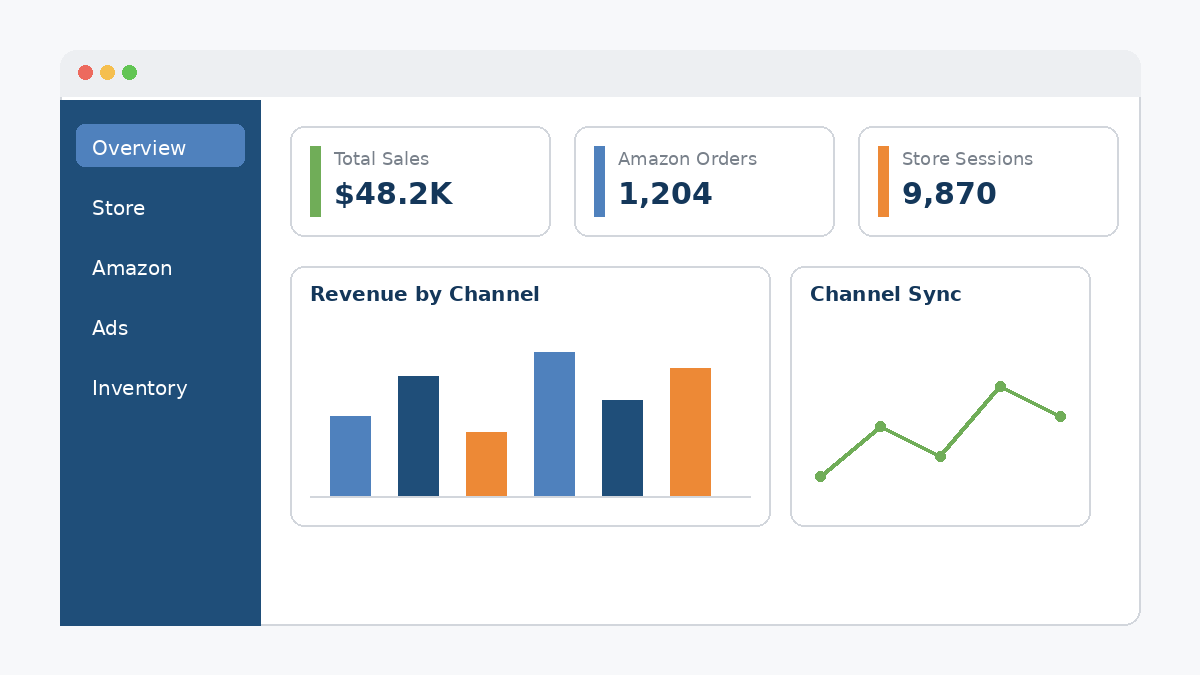
Multi-channel e-commerce merchants can drive scalable sales by establishing operational sync between their independent online store and marketplace hubs like Amazon. Operating an online store today requires far more than launching high-quality items and waiting for traffic. As competition across digital storefronts intensifies, merchant profitability depends on cohesive catalog management, sustainable Amazon store growth strategies, and automated customer engagement tools.
Whether you manage your business primarily through your own e-commerce website, run standalone payment forms independently, or maintain an enterprise marketplace storefront, scaling revenue requires a unified growth framework. In this comprehensive guide, we explore actionable strategies that help e-commerce merchants optimize product listings, align multi-channel advertising budgets, streamline inventory, and capture sustainable market share.
Why Is Data-Backed Storefront Optimization Essential for Online Merchants?
Data-backed storefront optimization is essential because it eliminates friction in the buyer journey and maximizes conversion velocity across all customer touchpoints. High-converting product detail pages do not happen by chance; they are engineered through structured copy, intentional metadata, and visual storytelling that matches exact customer intent.
1. Visual Hierarchy and Conversion Copy
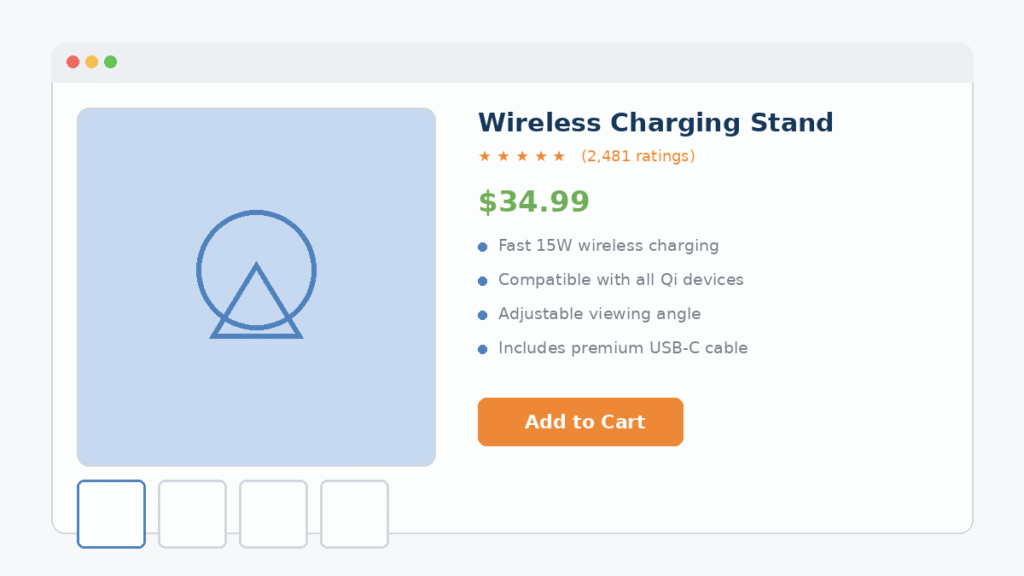
Shoppers decide whether to stay on a product page within the first three seconds of landing. For merchants running an independent online storefront, integrating visually clean product galleries alongside benefit-driven bullet points reduces bounce rates. Ensuring high-resolution image assets display correctly across mobile devices protects conversion integrity.
2. Backend Search Intent and Metadata Alignment
Search engine algorithms on both Google and Amazon rely heavily on structured catalog data. Aligning primary search keywords within your product titles, feature bullets, and backend tags improves organic visibility. High session volumes combined with high conversion rates signal to marketplace algorithms that your store delivers exceptional relevance.
How Do You Align Advertising Spend with Real-Time Inventory Tracking?
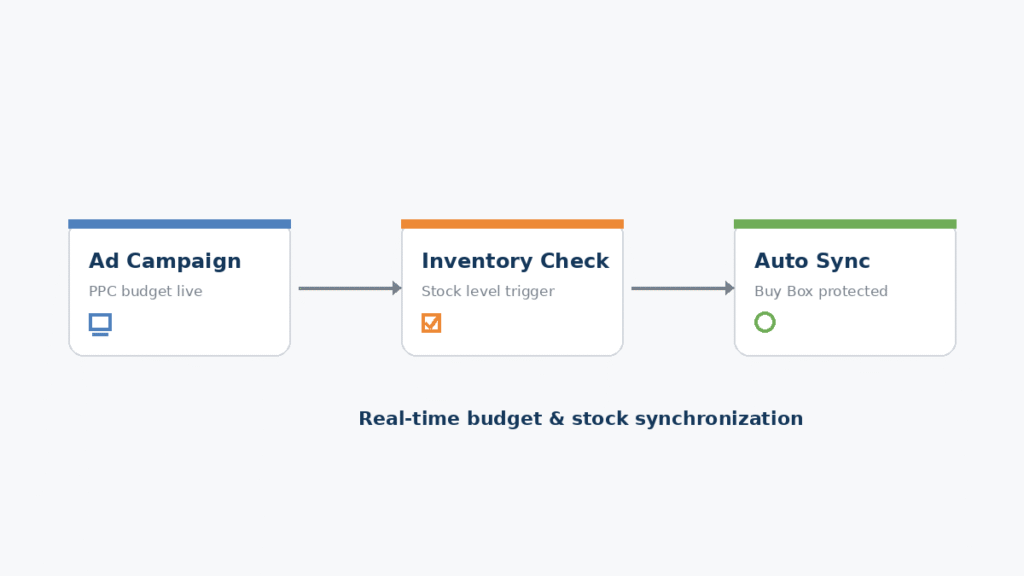
You align advertising spend with real-time inventory tracking by connecting ad management tools directly to stock level triggers to prevent out-of-stock ad waste. Driving paid traffic to products with low stock metrics burns ad spend and hurts your seller performance metrics.
1. Dynamic Ad Budget Allocation
Top-performing e-commerce brands continuously reallocate PPC budgets toward high-margin SKUs with robust stock depth. When inventory drops below specified threshold safety margins, automated rules should pause high-cost advertising campaigns instantly. This strategy protects advertising return on investment (ROAS) and maintains healthy account performance scores.
2. Multi-Channel Inventory Synchronization
Selling across your independent online store and third-party marketplaces simultaneously introduces inventory risk. Implementing centralized stock synchronization tools prevents over-selling and protects your Buy Box win rates. According to industry research by Statista, over 42% of online shoppers abandon brands permanently after experiencing order cancellations due to inventory errors.
What Role Do Onsite Conversion Tools Play in Merchant Profitability?
Onsite conversion tools boost merchant profitability by converting passive store visitors into active buyers and email subscribers before they exit. Acquiring new traffic grows more expensive each year, making onsite optimization the single most cost-effective lever for increasing revenue per visitor.
1. Capturing First-Party Lead Data
Integrating lead capture forms and discount popups allows independent online store merchants to capture valuable customer contact information. By utilizing high-converting lead capture forms, popup builders, and embedded tools, store owners can build robust first-party subscriber lists that fuel future email lifecycle sequences without increasing paid ad costs.
2. Reducing Shopping Cart Abandonment
Exit-intent popups triggered when a user moves toward closing their browser tab offer a final opportunity to secure a sale. Providing subtle incentives, free shipping thresholds, or direct checkout shortcuts keeps buyers engaged and drives immediate conversions.
How Can Brands Achieve Sustainable Long-Term Market Expansion?
Brands can achieve sustainable long-term market expansion by building scalable operational systems rather than relying on temporary sales tactics. Enterprise growth requires a balanced approach to account health, continuous conversion testing, and structured channel diversification.
Rather than treating individual channels in isolation, successful brands integrate their digital presence into a unified engine. Focusing on overall marketplace expansion alongside your independent online storefront enables merchants to capture market share across diverse demographic segments, lower overall customer acquisition costs, and maximize lifetime customer value (LTV).
Conclusion
Navigating modern e-commerce growth requires a disciplined approach to storefront structure, ad management, inventory harmony, and lead capture. By combining a robust independent storefront setup with strategic marketplace presence on platforms like Amazon, digital merchants build resilient businesses capable of weathering market shifts. Focus on customer retention, operational efficiency, and continuous optimization to turn your e-commerce store into a category leader.