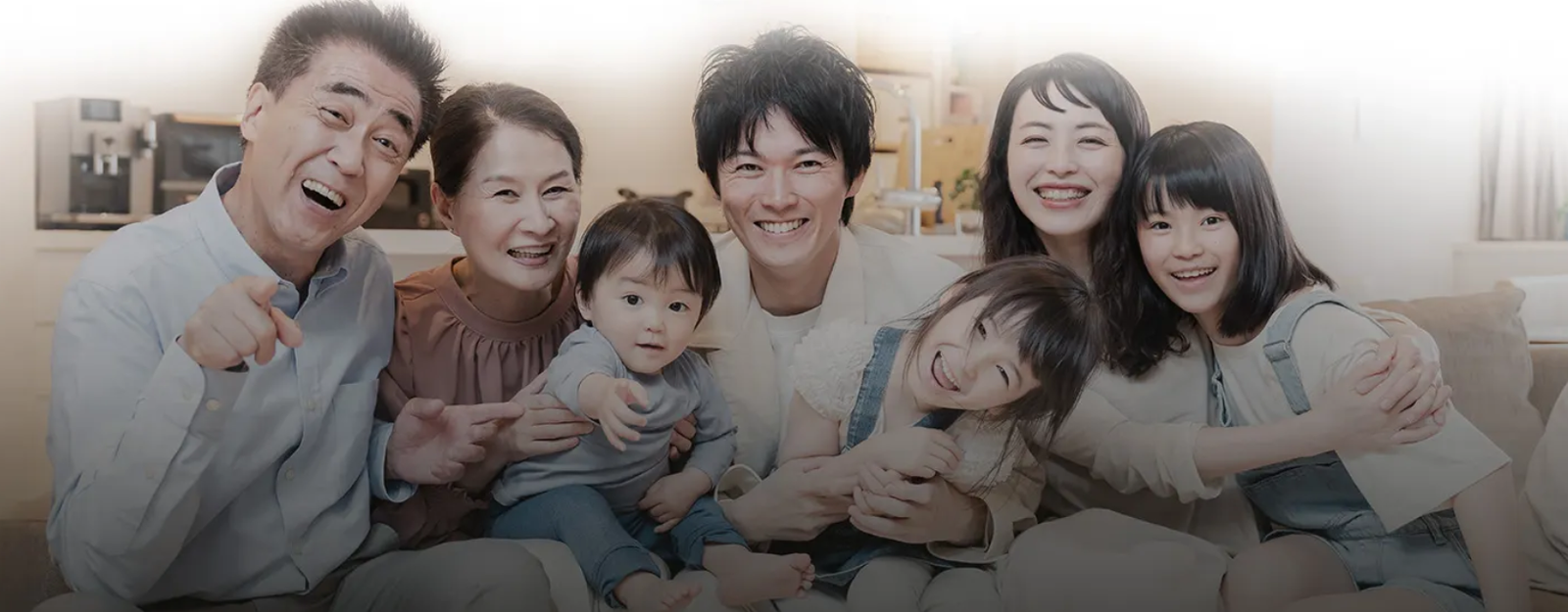






When a loved one begins living with memory loss, families often wonder how they can continue to play a meaningful role in their care. The truth is that family involvement remains one of the most valuable components of a successful memory care experience. Regular communication, emotional support, and active participation help create a stronger sense of connection while supporting a resident’s overall well-being. By working alongside memory care professionals, families can help ensure their loved one continues to experience dignity, purpose, and meaningful engagement.
1. Providing Emotional Comfort and Stability
Familiar relationships can offer reassurance to individuals living with dementia and other memory-related conditions. Even when specific memories become difficult to access, many residents continue to recognize the comfort and emotional connection associated with close family members.
Regular visits can help reduce feelings of uncertainty while creating a sense of continuity in a resident’s daily life. Familiar voices, routines, and shared experiences may provide comfort during periods of confusion or anxiety. Consistent family involvement reinforces important emotional connections and reminds residents that they remain valued and supported.
When family members maintain a regular presence, they often help create a greater sense of stability, which can contribute positively to a resident’s overall experience within the community.
2. Improving Communication and Personalization
Families bring valuable knowledge that helps memory care teams provide more personalized support. Information about a resident’s hobbies, favorite music, career history, routines, cultural traditions, and personal preferences can help team members create meaningful interactions and individualized care plans.
This insight allows support to be tailored to the individual rather than relying on a generalized approach. For example, knowing that a resident enjoys gardening, classic films, or a particular style of music can help inform life enrichment opportunities and daily engagement.
Ongoing communication between family members and team members is equally important. Families may notice subtle changes in their loved one’s mood, preferences, or behavior, while team members can provide updates about daily experiences and evolving support needs. This partnership promotes a more coordinated and responsive approach to care.
3. Encouraging Meaningful Engagement
Family involvement can also support cognitive engagement and emotional well-being through shared experiences. Activities such as looking through family photo albums, listening to favorite music, discussing treasured memories, completing puzzles, or participating in creative projects can provide meaningful opportunities for connection.
These experiences allow families to spend quality time together while supporting engagement in a comfortable and familiar way. Even when verbal communication becomes more difficult, shared activities can create moments of joy and connection.
Families seeking a community that emphasizes purposeful engagement may find that GLOW® Memory Care in Mt. Pleasant, IA incorporates personalized cognitive and sensory experiences into daily life, helping residents remain engaged through programs designed around their interests and abilities.
Meaningful engagement helps reinforce a sense of purpose and encourages residents to continue participating in enriching experiences throughout the day.
4. Advocating for Individual Needs
Family members serve as important advocates for their loved ones throughout the memory care journey. Regular involvement allows families to remain informed about care plans, daily routines, health updates, and changing needs.
By maintaining open communication with team members, families can ask questions, share concerns, and provide input regarding care decisions. This collaborative approach helps ensure support remains aligned with the resident’s preferences, values, and personal history.
Advocacy also helps preserve dignity and personal choice. Families can communicate important information about lifelong preferences, traditions, and routines that may continue to influence a resident’s comfort and well-being.
Strong partnerships between families and care teams contribute to more individualized support and help ensure residents continue receiving thoughtful, person-centered care.
5. Strengthening the Sense of Community
Memory care communities are most successful when residents, families, and team members work together. Family participation in celebrations, life enrichment programs, community events, and visits helps create a stronger sense of belonging for everyone involved.
Residents benefit from seeing familiar loved ones participate in their daily lives, while families gain a deeper understanding of the community and the support being provided. These ongoing connections help reinforce important relationships and contribute to a positive environment centered on respect, compassion, and engagement.
When families remain involved, residents often experience stronger emotional connections and a greater sense of continuity between past and present experiences.
Conclusion
Family involvement is an essential part of successful memory care. Through emotional support, personalized communication, meaningful engagement, advocacy, and ongoing participation, families help create a stronger foundation for resident well-being. By partnering with memory care professionals and remaining actively involved in a loved one’s life, families can support dignity, comfort, and connection throughout the memory care journey. A collaborative approach benefits everyone involved and helps ensure that residents continue to experience meaningful relationships, personal choice, and a sense of belonging within their memory care community.