



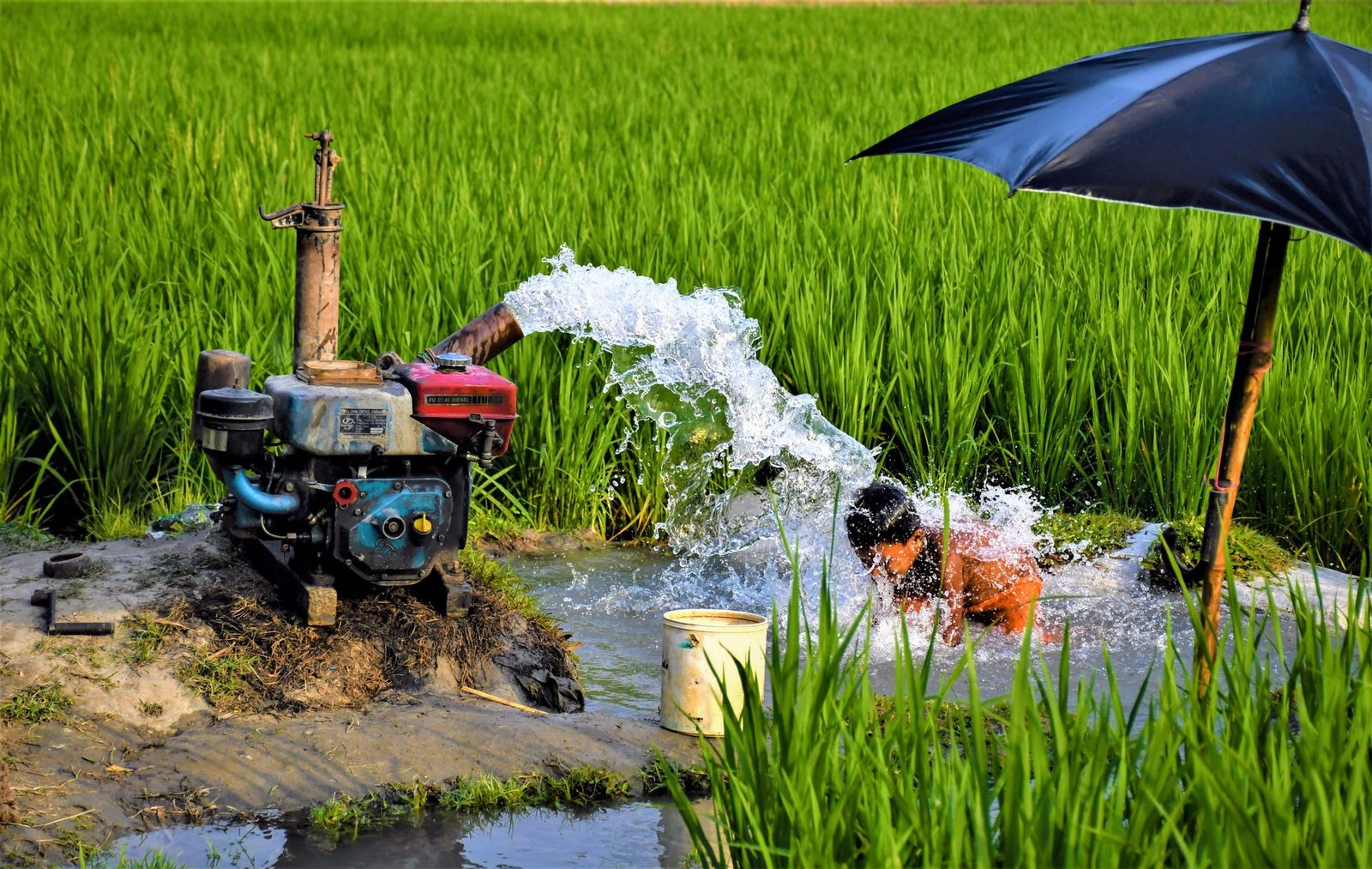
For many rural communities, getting water out of the ground isn’t the difficult part. Keeping the pump running is. A diesel pump may do the job perfectly well, but it also comes with fuel costs, servicing, oil changes and the simple problem of getting fuel to a remote location. If the generator stops, the water supply can stop with it. That’s one reason solar-powered pumping systems are getting more attention. Solar panels can produce the electricity needed to run a pump during the same part of the day when water demand and solar generation are usually high. There’s no fuel delivery schedule to worry about and far fewer moving parts on the power-generation side.
Solar PV is no longer a small-scale alternative energy source. The International Energy Agency reported that solar PV accounted for the largest share of new renewable capacity added globally in 2025. That wider growth is also making solar equipment more accessible for smaller infrastructure projects.
What Actually Goes into a Solar Water Pump?
A solar pumping system can look fairly simple from the outside. Panels sit above ground, a pump sits in a borehole, and water comes out. The engineering underneath is more complicated.
A basic system normally includes the photovoltaic array, a controller or inverter, the pump and motor, the borehole, and some form of water storage. Each part has to work with the others. The size of the solar array, for example, cannot be decided just by looking at the pump’s power rating. Engineers need to consider how much water is required each day, how deep the water is, the total pumping head and how much sunlight the location receives. That last point matters more than it may seem. A system designed around ideal sunlight conditions can struggle badly during cloudy periods if there’s no adequate storage capacity.
Why Storage Can Be More Useful Than Batteries
One interesting part of solar water infrastructure is that batteries aren’t always necessary. Instead of storing electricity, a system can pump water into an elevated tank while the sun is available. The stored water can then move through the distribution network by gravity. It’s a simple idea, but it solves a practical problem.
Batteries add cost and eventually need replacement. A properly sized water tank can provide a similar buffer without adding another electrical system that needs regular maintenance. This is particularly useful in remote areas, where replacing a failed battery or electronic component can take considerably longer than it would in a city.
The Pump Still Needs to Be Matched to the Groundwater
Solar power itself isn’t the difficult part. Groundwater management can be. A pump that’s too small will not meet demand. A pump that’s too large can extract water faster than the source can sustainably provide it. That becomes a serious issue in areas where groundwater recharge is limited. The World Bank has noted that the growing use of solar-powered irrigation can increase the risk of groundwater over-extraction when pumping isn’t properly managed.
So before choosing a high-capacity submersible pump, engineers need to understand the borehole and the aquifer. Static water level, drawdown, sustainable yield and seasonal changes all matter. More pumping capacity isn’t automatically better infrastructure.
Electronics Are a Weak Point Too
There’s a tendency to think of solar systems as almost maintenance-free because the panels themselves have few moving parts. The reality on the ground is a little different. Controllers, inverters and other electronics can be exposed to heat, dust, moisture and lightning. Poor wiring or inadequate protection can also create problems.
A well-designed installation therefore needs appropriate enclosures, grounding and surge protection. The panels need secure mounting, too. In some locations, theft is a bigger concern than weather. These details can sound minor during the planning stage. They’re not minor when a community is depending on the pump for its daily water supply.
The Shift Away from Diesel
Diesel pumping is unlikely to disappear everywhere. There are locations where it remains practical, particularly where solar conditions, water demand or existing infrastructure make a solar installation less suitable. But the economics are changing. A diesel system keeps generating operating costs every time it runs. Fuel has to be bought and transported, engines need servicing, and prices can move unexpectedly. Solar has a larger upfront investment, but once the system is operating, its energy source doesn’t arrive by truck. That difference becomes much more important over a system’s lifetime.
For projects funded through community support or charitable giving, the same principle applies. When people choose to donate water well infrastructure, the value of that contribution can extend beyond simply installing a pump. The choice of pumping technology, storage and protection can affect how useful that infrastructure remains years later.
Good Engineering Is Also About What Happens Later
Installing the equipment is only the beginning. Someone still needs to inspect the pump. Someone needs to notice when water output starts falling. A damaged panel or controller needs to be replaced. Basic troubleshooting needs to be possible without bringing in a specialist from hundreds of kilometres away. This is where local training becomes useful. A technically sophisticated system isn’t necessarily a better system if nobody nearby can maintain it.
The best rural projects tend to account for this from the beginning. Spare parts, accessible equipment, simple monitoring and local technical knowledge can make a bigger difference than adding unnecessary complexity to the original design.
Where Solar Pumping Goes Next
Solar-powered water pumping isn’t a magic solution to rural water access. A solar array cannot compensate for a poorly drilled borehole, an inadequate aquifer or an incorrectly sized distribution network. But the technology has reached a point where it can be considered serious infrastructure rather than an experimental alternative.
The bigger opportunity is in putting the pieces together properly: reliable groundwater assessment, correctly sized pumps, solar generation, storage and a maintenance plan that makes sense locally. That’s where solar pumping becomes interesting. It’s not just about replacing a diesel engine with a set of panels. It’s about building a water system that can keep working when the grid is unreliable, fuel is expensive and getting a technician to site is not easy. For rural infrastructure, that kind of reliability is often the part that matters most.