





Plug-in solar can cut your electricity bills by helping your home generate part of the power it uses each day. Instead of buying every unit of electricity from the grid, you use solar power first, which lowers the amount you need to import. For many UK households, that means visible savings on daytime energy use, especially for appliances that run regularly. The total reduction depends on system size, panel placement, sunlight levels, and how much electricity you use while the panels are producing. Although plug-in solar is not a complete replacement for grid power, it can make a practical difference to annual energy costs. It works best when matched to steady household demand and realistic expectations about output, seasons, and long-term value.
How Does Plug-In Solar Reduce Electricity Bills?
Generate and Use Your Own Electricity at Home
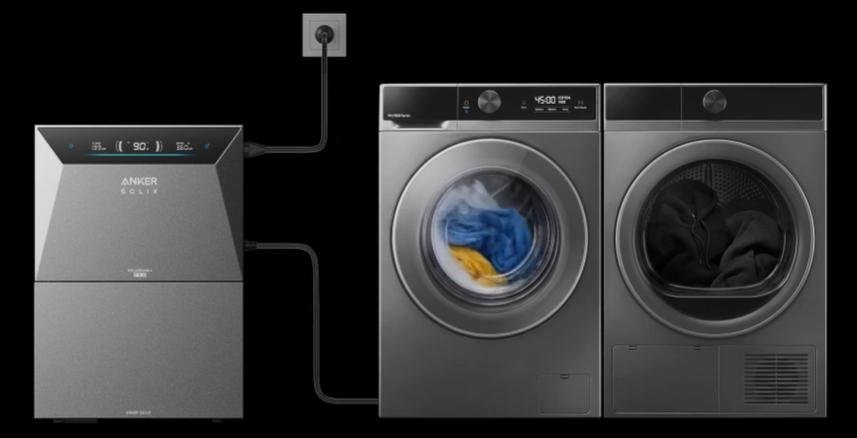
Plug-in solar reduces bills by producing electricity at home and supplying that power directly to appliances already in use. During daylight hours, the system generates energy from sunlight, and your home draws on that solar output before taking additional electricity from the grid. This process lowers your metered consumption, which is the part of your bill you pay for. If your fridge, broadband router, laptop, washing machine, or other household devices are running while the panels are generating, some of their demand can be covered by solar instead of imported electricity. That makes plug-in solar especially useful for homes with regular daytime usage rather than properties that are empty for most of the day.
Reduce the Amount of Electricity You Buy From the Grid
The financial benefit comes from reducing grid imports. Every unit of solar electricity you use at home is one less unit you need to buy from your supplier at the current tariff. Because UK electricity prices remain relatively high compared with many other household energy costs, even modest solar generation can translate into worthwhile yearly savings. Plug-in solar does not usually remove your need for grid electricity, since output changes with weather, time of day, and season. However, it can trim the baseline demand that homes maintain through the day. That means lower ongoing costs for everyday consumption, particularly when solar generation overlaps with the times your household naturally uses electricity most consistently.
How Much Could Plug-In Solar Save You?
What Determines Your Annual Solar Savings?
Annual savings come from one simple calculation: how much electricity your system generates, and how much of that electricity you use yourself. A home that consumes a high share of its solar output will save more than one that exports or wastes most of it. Savings increase when daytime appliances match solar production, such as refrigeration, home working equipment, chargers, and laundry. Output also changes across the year. Summer usually delivers the highest generation, while winter contributes less because days are shorter and sunlight is weaker. The size of the system matters too. A larger setup can generate more power, but only delivers stronger bill savings if your home can use that electricity at the right times.
System Cost, Electricity Prices and Payback Time
The value of plug in solar is not only about annual savings but also about how those savings compare with the upfront purchase cost. If electricity prices are high, every unit of solar power used at home offsets more spending, which improves the return on investment. If your tariff rises over time, the long-term benefit becomes stronger. Payback time is usually measured by dividing total system cost by estimated yearly savings. A lower purchase price and higher self-consumption shorten that timeline. Once the system has paid for itself, the electricity it produces continues to reduce bills. For most households, the aim is not instant profit but steady, predictable savings over several years of regular use.
What Affects Your Plug-In Solar Savings?
Panel Position, Sunlight and Household Energy Habits
Savings improve when panels receive strong daylight for more of the day. Position matters because shading from nearby buildings, trees, fences, or roof features can reduce output significantly. Direction and tilt also affect how much sunlight reaches the panels across the year. A clear, well-oriented location usually delivers better generation than a space with limited exposure. Local weather patterns play a role, but installation choices and household routines often matter just as much. Homes that run key appliances during daylight hours generally get more value from plug-in solar. By contrast, if most electricity use happens late in the evening, less of the generated power is used directly and the bill reduction becomes smaller.
Why Daytime Self-Consumption Makes a Difference
Daytime self-consumption is the key factor behind better savings because solar power has the greatest value when you use it immediately. If your system generates electricity at noon but your highest demand happens after sunset, you still need to buy more power from the grid later. Shifting some routine usage into daylight hours improves the result. Running a washing machine, charging devices, or using kitchen appliances while the panels are producing can increase the share of free electricity your home actually benefits from. This is why household habits often matter as much as system performance. The closer your daily energy use matches solar generation, the more effectively plug-in solar cuts the cost of purchased electricity.
Conclusion
Yes, plug-in solar can cut your electricity bills in the UK, and it does so in a straightforward way: by reducing the amount of electricity you need to buy from the grid. The biggest savings come when your home uses solar power as it is generated, especially during the day. System size, purchase cost, electricity prices, sunlight, panel placement, and daily energy habits all shape the final result. Plug-in solar will not power every home all the time, but it can lower ongoing energy costs and improve the value of your daytime electricity use. For households with regular daytime demand and a suitable sunny position, it offers a practical, measurable way to reduce bills over the long term.