




Introduction
Flat roofing is a widely used roofing system in both residential and commercial construction due to its modern design, cost-effectiveness, and efficient use of space. Unlike sloped roofing systems, flat roofs provide a nearly level surface that can be used for various purposes such as HVAC installation, solar panel systems, rooftop gardens, and additional storage areas. Over the years, flat roofing has become increasingly popular because of its practicality and adaptability in modern architectural designs.
A well-designed flat roof offers excellent protection against weather conditions when properly installed and maintained. However, because of its minimal slope, it requires precise installation and proper drainage systems to prevent water accumulation. Without proper care, flat roofs can develop issues such as leaks, ponding water, and membrane damage. Understanding how flat roofing systems work helps property owners make informed decisions about installation, maintenance, and long-term care.
Structure and Design of Flat Roofing Systems
Flat roofing systems are designed using multiple layers that work together to provide waterproofing, insulation, and structural support. The base layer is the roof deck, which is typically made of wood, concrete, or metal depending on the building structure. Above this layer, insulation is installed to regulate indoor temperature and improve energy efficiency.
The waterproofing membrane is the most important component of flat roofing systems. This layer prevents water from penetrating the structure and is usually made from materials such as modified bitumen, EPDM rubber, or TPO membranes. Protective coatings or gravel layers may also be added to enhance durability and UV resistance.
Because flat roofs have a minimal slope, drainage systems such as internal drains or scuppers are essential to ensure water flows off the surface efficiently. Proper design is crucial to prevent standing water, which can weaken the roofing system over time.
Benefits of Flat Roofing Systems
One of the primary benefits of flat roofing is cost efficiency. Flat roofs generally require fewer materials and less labor compared to pitched roofing systems, making them more affordable for both residential and commercial projects.
Another major advantage is usable space. Flat roofs can be utilized for multiple purposes such as rooftop patios, solar panel installation, or HVAC system placement. This makes them highly functional, especially in urban environments where space is limited.
Flat roofing also offers easier access for maintenance and inspections. Unlike steep roofs, flat surfaces allow safer and more convenient movement for repair and cleaning activities. Additionally, modern flat roofing materials are designed to provide strong resistance against UV rays, temperature fluctuations, and water exposure.
Installation Process of Flat Roofing Systems
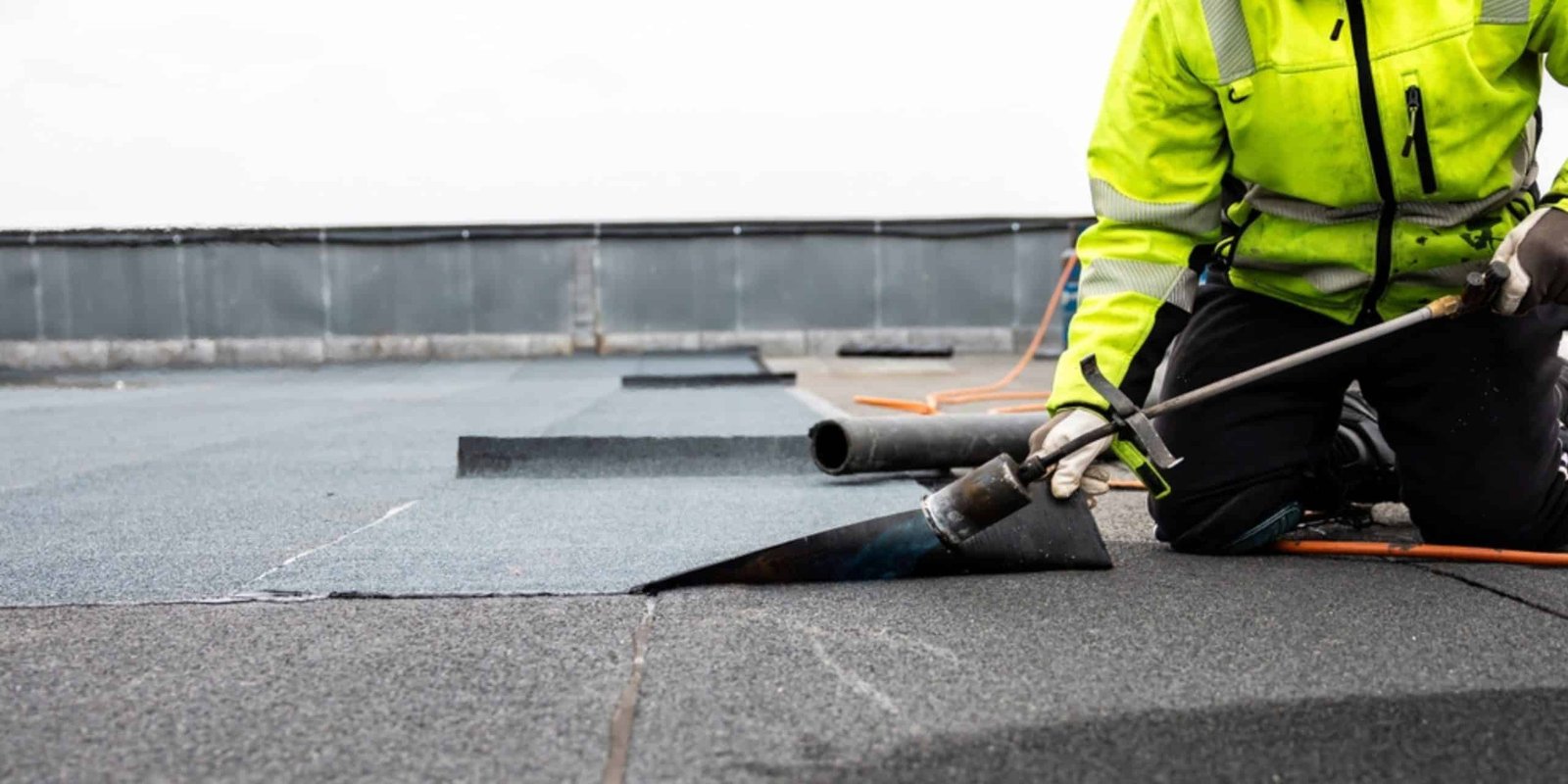
The installation of a flat roof requires careful planning and precise execution to ensure long-term durability. The process begins with preparation of the roof deck, ensuring it is clean, dry, and structurally sound. Any damage or irregularities in the surface must be repaired before installation begins.
Next, insulation boards are installed to improve thermal performance and energy efficiency. After insulation, a waterproof membrane is applied across the entire surface. This membrane is carefully sealed at seams and edges to prevent water penetration.
Additional layers such as protective coatings or gravel may be added depending on the roofing system used. Proper installation of drainage components is also critical to ensure water flows off the surface efficiently and does not accumulate in low areas.
Importance of Professional Flat Roofing Services
Because flat roofing systems require precise installation and sealing techniques, professional expertise is essential for ensuring long-term performance. Even minor installation errors can lead to leaks, ponding water, and structural damage over time.
Many property owners rely on expert services for flat roofing to ensure proper installation, high-quality materials, and long-lasting protection. Professional roofers understand how to properly install membranes, ensure correct drainage, and prevent common issues associated with flat roof systems.
Without professional installation, flat roofs are more likely to experience premature failure and recurring maintenance problems.
Common Problems in Flat Roofing Systems
Despite their advantages, flat roofs can develop certain issues if not properly maintained. One of the most common problems is ponding water, where water remains on the surface due to poor drainage or structural settling. This can weaken roofing materials over time.
Membrane damage is another common issue caused by UV exposure, weather conditions, or physical impact. Cracks or punctures in the membrane can lead to leaks and water infiltration.
Flashing failures around edges and roof penetrations can also cause leaks if not properly sealed. Regular inspection is necessary to detect and address these issues early.
Maintenance and Inspection Practices
Regular maintenance is essential for extending the lifespan of flat roofing systems. Routine inspections help identify early signs of damage such as cracks, bubbles, or standing water. Cleaning the roof surface and drainage systems ensures proper water flow and reduces the risk of moisture buildup.
Minor repairs should be addressed immediately to prevent small issues from becoming major structural problems. Preventive maintenance significantly improves durability and reduces long-term repair costs.
Weather Impact on Flat Roofing Systems
Weather conditions have a significant impact on flat roof performance. Heavy rainfall can lead to water accumulation if drainage systems are not functioning properly. Snow buildup adds weight to the structure and can create pressure points on the roof surface.
High temperatures and UV exposure can cause roofing materials to expand, contract, and degrade over time. Wind can also lift or damage membrane edges if they are not properly secured. These environmental factors highlight the importance of durable materials and proper installation techniques.
Energy Efficiency and Flat Roofing
Flat roofing systems contribute to energy efficiency by allowing the installation of insulation layers that regulate indoor temperature. Reflective roofing materials can also reduce heat absorption, lowering cooling costs during warmer months.
Additionally, flat roofs provide space for solar panel installation, which can further improve energy efficiency and reduce electricity expenses. Proper insulation and sealing help maintain stable indoor temperatures throughout the year.
Repair and Replacement Considerations
Flat roofs may require repairs over time due to wear and environmental exposure. Minor issues such as small leaks or membrane punctures can often be repaired without full replacement. However, extensive damage or aging materials may require complete roof replacement.
A professional inspection helps determine the most cost-effective solution based on the condition of the roof. Early detection of issues can significantly reduce repair costs and prevent structural damage.
Long-Term Value of Flat Roofing Systems
Flat roofing provides long-term value through its durability, functionality, and cost efficiency. When properly installed and maintained, flat roofs can last for decades while providing reliable protection and usable space.
Their adaptability makes them suitable for a wide range of building types, from residential homes to large commercial facilities. With proper care, flat roofing systems offer a strong return on investment by minimizing maintenance costs and maximizing functionality.
Conclusion
Flat roofing is a practical and efficient roofing solution that offers durability, cost savings, and versatile usage options. When properly installed and maintained, it provides long-term protection against weather conditions while improving energy efficiency and usable space.
Professional expertise plays a critical role in ensuring successful installation and long-lasting performance. With the right materials, design, and maintenance practices, flat roofing systems can deliver reliable protection and value for many years.