




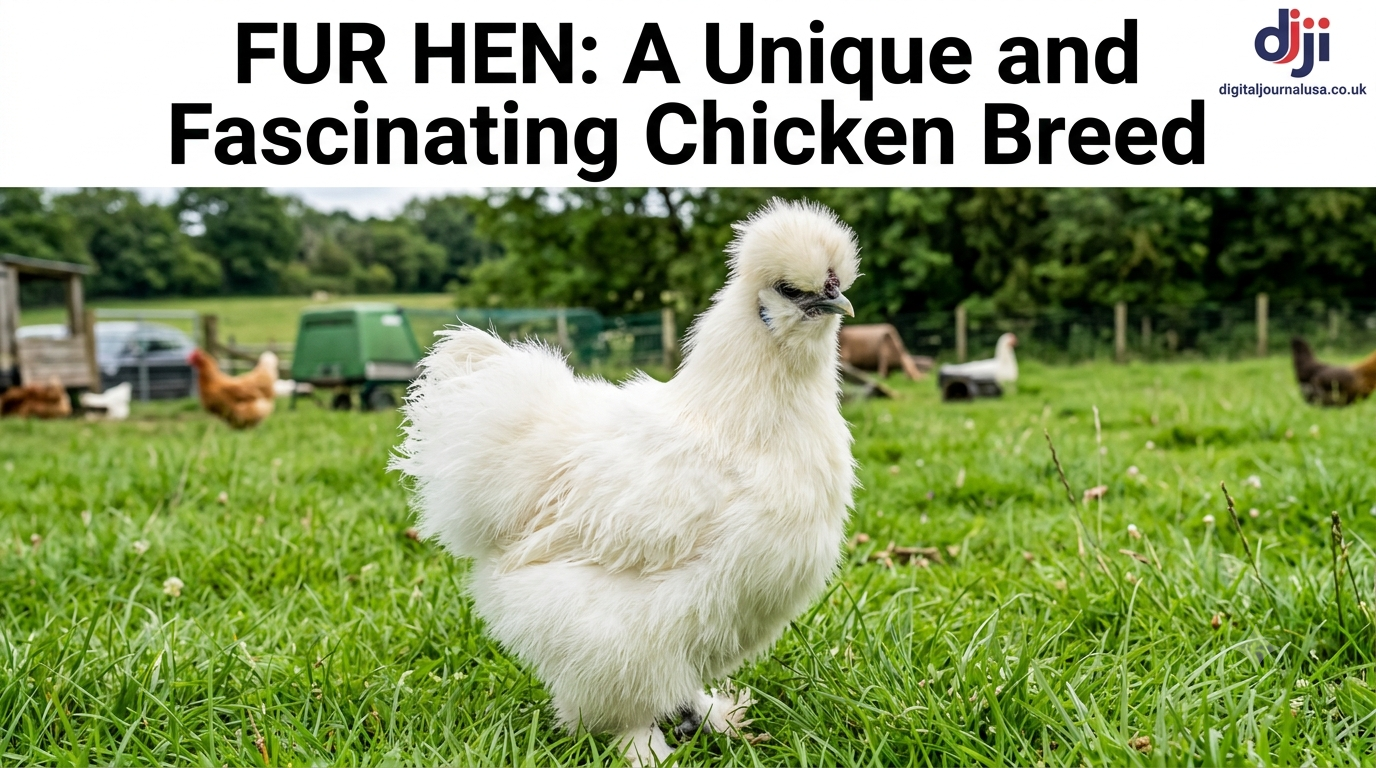
The term Fur Hen is commonly used to describe chickens with soft, fluffy feathers that resemble fur rather than traditional poultry feathers. While no official chicken breed is registered under the name Fur Hen, the nickname is most often associated with the Silkie chicken, a breed famous for its distinctive appearance and gentle personality. These birds have gained popularity among backyard chicken keepers, hobby farmers, and poultry enthusiasts because of their unusual look and friendly nature.
Unlike standard chickens, a Fur Hen stands out immediately. Its fluffy body, rounded shape, and soft plumage make it look more like a pet than a farm bird. For many people, the first encounter with a Fur Hen is enough to spark curiosity about what makes these chickens so special.
What Is a Fur Hen?
A Fur Hen is generally a chicken with exceptionally soft and fluffy feathers that create a fur-like appearance. Most people use the term when referring to Silkies because they are the best-known chickens with this unique feather structure. Their feathers lack the rigid texture found in ordinary chickens, giving them a soft and cloud-like look.
This distinctive appearance has helped Fur Hens become one of the most recognizable ornamental chicken types in the world. Their unusual feathers, combined with their calm temperament, make them popular among both beginner and experienced poultry keepers.
Why Fur Hens Look Different
The most noticeable feature of a Fur Hen is its feathering. Traditional chicken feathers have tiny hooks that hold each feather together and create a smooth surface. Fur Hens have feathers that lack these hooks, causing the feathers to remain loose and fluffy.
As a result, their bodies appear larger and rounder than they actually are. This fluffy coat gives them a unique appearance that many people compare to a small furry animal. Their feathers are soft to the touch and create the signature look that has made Fur Hens famous worldwide.
The History of Fur Hens
The origins of Fur Hens can be traced back hundreds of years. Historical records suggest that Silkie chickens originated in Asia, particularly in China. Traders and travelers introduced these unusual birds to other parts of the world, where they quickly attracted attention because of their appearance.
Over time, Fur Hens became popular in Europe and North America as ornamental poultry. Today they are commonly found in backyard flocks, poultry exhibitions, and breeding programs. Their long history has helped establish them as one of the most beloved specialty chicken breeds.
Personality and Temperament
One of the biggest reasons people choose Fur Hens is their friendly nature. These birds are known for being calm, gentle, and easy to handle. Unlike some active or aggressive chicken breeds, Fur Hens generally enjoy human interaction and adapt well to small backyard environments.
Their relaxed temperament makes them an excellent choice for families with children. Many owners describe them as affectionate birds that enjoy attention and become comfortable around people quickly. Because of this behavior, Fur Hens are often considered one of the best pet chicken options available.
Egg Production and Broodiness
Although Fur Hens are not known for high egg production, they still provide a steady supply of eggs throughout the year. Most hens lay small cream-colored eggs that are valued by backyard flock owners. Their egg production is lower than many commercial laying breeds, but that is rarely the primary reason people keep them.
What Fur Hens are famous for is their strong broody instinct. A broody hen naturally sits on eggs and cares for chicks after hatching. Fur Hens are excellent mothers and are frequently used to hatch eggs from other chicken breeds. Their nurturing behavior makes them valuable additions to breeding programs and small farms.
Housing Requirements for Fur Hens
Because of their unique feather structure, Fur Hens require special care compared to ordinary chickens. Their fluffy feathers do not provide the same level of weather resistance as traditional plumage. Wet conditions can cause discomfort and increase the risk of health problems.
A clean, dry, and well-ventilated coop is essential for maintaining healthy Fur Hens. They should have access to shelter during rain and harsh weather. Since they are poor fliers, low perches and secure housing help keep them safe and comfortable.
Feeding and Daily Care
Fur Hens thrive on the same balanced poultry feed used for most chicken breeds. A diet rich in protein, vitamins, and minerals supports healthy feather growth and overall well-being. Fresh water should always be available, and occasional treats can be provided in moderation.
Regular observation is important because their fluffy feathers can sometimes hide injuries or health concerns. Grooming around the face may also be necessary if feathers obstruct their vision. With proper care, Fur Hens can remain healthy and active for many years.
Why Fur Hens Are Popular as Pets
The popularity of Fur Hens continues to grow because they combine beauty, personality, and ease of care. Many people who are new to poultry keeping choose these birds because they are approachable and friendly. Their distinctive appearance also makes them a favorite attraction in backyard flocks.
Social media has contributed to their popularity as well. Photos and videos of Fur Hens often attract attention because of their unusual fluffy appearance. Their ability to stand out visually has introduced many new people to the hobby of raising chickens.
Are Fur Hens Right for You?
Choosing a Fur Hen depends on your goals as a poultry keeper. If your primary focus is maximum egg production, other breeds may be more suitable. However, if you value personality, appearance, and companionship, Fur Hens are difficult to match.
They fit well into family environments, educational settings, and small backyard flocks. Their calm behavior and unique look create an enjoyable experience for owners who appreciate ornamental poultry. With proper housing and routine care, Fur Hens can become cherished members of any flock.
Conclusion
The Fur Hen is one of the most fascinating chickens in the poultry world. Known for its soft, fluffy feathers and gentle personality, this unique bird continues to attract attention from chicken enthusiasts across the globe. While the term is commonly associated with Silkie chickens, it has become a popular way to describe birds with fur-like plumage.
Whether you are looking for a friendly backyard companion, an ornamental chicken, or a dependable broody hen, a Fur Hen offers qualities that few other breeds can match. Their charm, beauty, and easygoing nature ensure that they remain a favorite among poultry keepers for generations to come.
Frequently Asked Questions
What is a Fur Hen?
A Fur Hen is a nickname commonly used for fluffy chickens, especially Silkie chickens, that have soft feathers resembling fur.
Are Fur Hens good pets?
Yes, Fur Hens are known for their friendly and gentle temperament, making them excellent pets for families and beginners.
How many eggs does a Fur Hen lay?
Most Fur Hens lay a moderate number of small eggs each year, though they are not considered high-production layers.
Can Fur Hens fly?
No, Fur Hens are poor fliers because their fluffy feathers do not provide the lift needed for strong flight.
Do Fur Hens require special care?
They need dry housing and regular monitoring because their unique feathers can become wet easily and may hide minor health issues.
How long do Fur Hens live?
With proper care, Fur Hens can often live between 7 and 10 years, and some may live even longer.