




Afro Beats: Origin, Struggles and Global Dominance
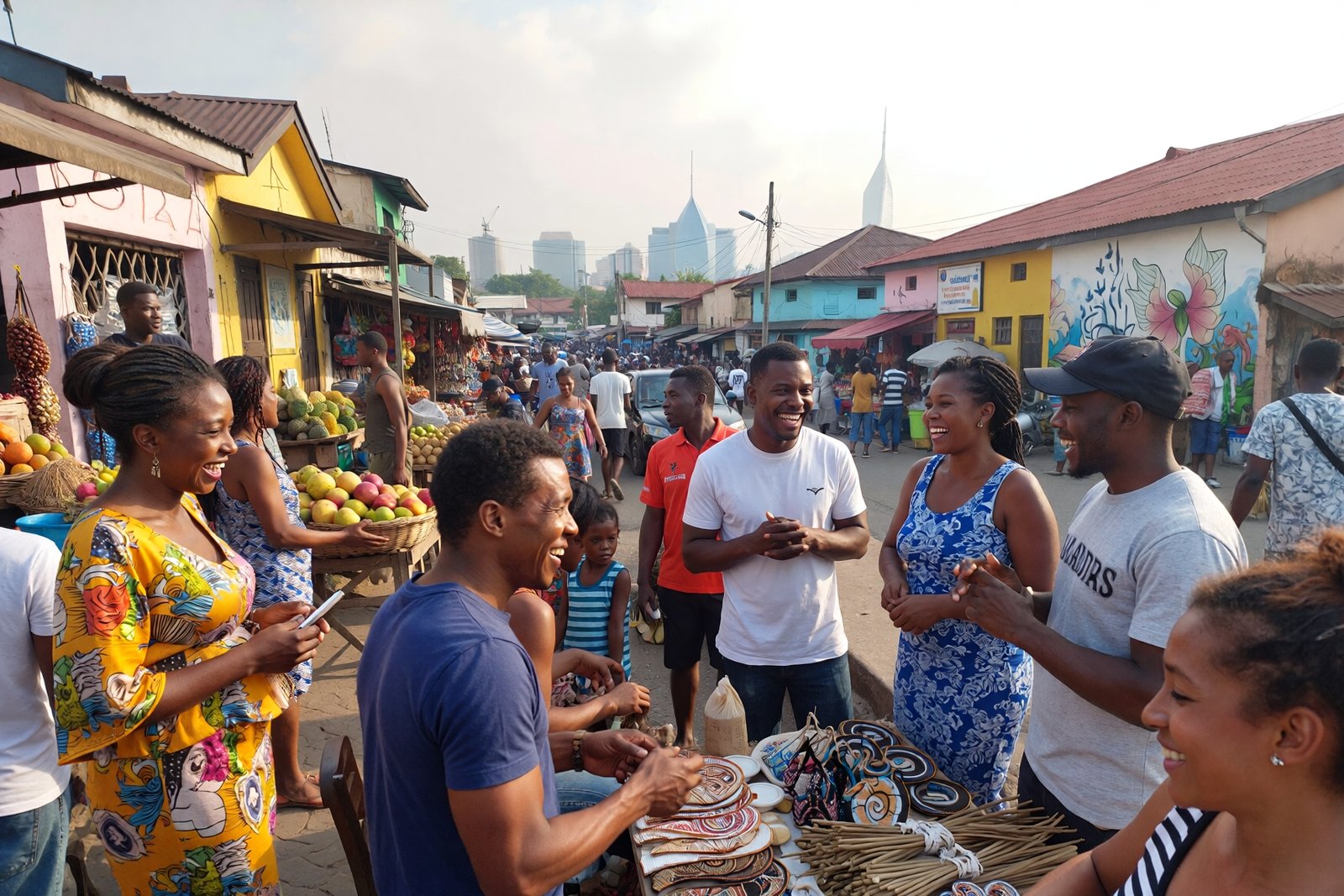
Long before Spotify playlists and Apple Music editorial picks discovered Afrobeats, the genre was being distributed through a far more human and resilient network: the Nigerian diaspora. In London’s Peckham and Hackney, in Houston’s southwest side, in Toronto’s Scarborough neighbourhood, and in the markets of Paris’ 18th arrondissement, Afrobeats records were being shared, played at parties, sold from market stalls, and blasted from cars, years before the international music industry paid any attention.
This organic, community-driven distribution model is one of the most underappreciated stories in contemporary music history. It explains why Afrobeats did not simply emerge suddenly as a ‘new’ sound to Western audiences around 2016 or 2017, it explains why it arrived fully formed, with a passionate and paying audience already in place.
London: The Crucible of Cross-Pollination
London holds a special place in the Afrobeats story. With one of the largest Nigerian communities outside Africa, estimated at well over 200,000 people, the city became a testing ground where Afrobeats met grime, UK garage, jungle, and later UK drill. Artists who moved between Lagos and London, or who grew up in Britain with Nigerian parents, became cultural translators, instinctively knowing how to make the music resonate across both contexts.
Wizkid’s residency status in London, Burna Boy’s formative years in the city, and the careers of artists like Skepta, whose Nigerian heritage is central to his identity, all point to the same truth: London did not discover Afrobeats. London shaped it, challenged it, and helped it mutate into something that could conquer the world.
Houston, Atlanta, and the American Chapter
The American Afrobeats story is slightly different but equally significant. Cities with large West African immigrant populations, Houston, Atlanta, Washington D.C., and Minneapolis, developed thriving communities where Nigerian and Ghanaian music was a constant presence at celebrations, churches, and social gatherings. When American hip-hop artists began incorporating Afrobeats elements, they were often drawing on a sonic vocabulary they had been hearing at block parties and cookouts for years, courtesy of immigrant neighbours.
Davido’s decision to pursue a university degree in Atlanta before launching his career was not simply an educational choice, it was a strategic immersion in a community that already loved what he was making. The cross-pollination that followed, including collaborations with Atlanta-based artists, accelerated Afrobeats’ penetration of the American market in ways that no amount of label marketing could have achieved alone.
The Digital Amplification of a Human Network
When streaming platforms did eventually catch up with what the diaspora already knew, the result was explosive. The diaspora communities had created the infrastructure, the playlists, the word of mouth, the cultural legitimacy, and the algorithms simply turbo-charged it. This is a crucial distinction: technology amplified a human network; it did not create it.
Understanding this sequence matters enormously for how we think about Afrobeats’ future. The genre’s global success is not fragile in the way that algorithmically manufactured trends can be. It is rooted in communities, in shared identity, in the deep human need to carry one’s culture across borders. That foundation will outlast any streaming trend.
Conclusion
The Nigerian diaspora did not just consume Afrobeats, it was the genre’s first and most important distribution network, its quality-control system, and its international marketing department, all rolled into one. Any serious account of Afrobeats’ global rise must begin not with a streaming milestone or a Western record deal, but with a party in Peckham, a church in Houston, and a market stall in Paris.