




Plumbing problems rarely happen at a convenient time. A pipe can burst in the middle of the night, a toilet can overflow before guests arrive, or a water heater can suddenly stop working on a cold morning. In such situations, waiting for a regular appointment is not an option because even a small delay can turn a minor issue into serious property damage. This is exactly where an emergency plumber becomes essential. These professionals are trained to respond quickly to urgent plumbing issues that require immediate attention, helping homeowners and businesses prevent water damage, health risks, and costly repairs.
An emergency plumber is a licensed plumbing professional who specializes in handling urgent and unexpected plumbing problems that cannot wait for normal working hours. Unlike regular plumbing services that operate on scheduled appointments, emergency plumbing services are available 24/7, including weekends and holidays. Their main role is to quickly diagnose the issue, control the damage, and restore the plumbing system to working condition as fast as possible.
Typical emergency situations include burst pipes, severe water leaks, blocked drainage systems, overflowing toilets, and sudden loss of water supply. These issues can escalate rapidly, causing flooding, structural damage, and even electrical hazards if water reaches wiring systems. Because of this, emergency plumbers are trained to act fast and prioritize safety while performing repairs under pressure conditions.
Common Plumbing Emergencies That Require Immediate Attention
Not every plumbing issue is an emergency, but some situations demand immediate professional help. One of the most serious problems is a burst pipe. When a pipe bursts, water can flood the property within minutes, damaging floors, walls, furniture, and electrical systems. Another major issue is sewage backup, which not only creates unpleasant conditions but also poses serious health risks due to bacteria exposure.
Other common emergencies include severe drain blockages that stop water from flowing, malfunctioning water heaters that leave a home without hot water, and overflowing toilets that cannot be controlled. Even persistent leaks that appear small at first can become emergencies if they continue unchecked for hours or days. In many cases, the key factor that defines an emergency is whether the issue is actively causing damage or creating a safety hazard.
Why Immediate Action Matters in Plumbing Emergencies
When a plumbing system fails, time becomes the most important factor. Water damage spreads quickly and can weaken building structures, damage electrical systems, and destroy personal belongings. For example, a burst pipe can release hundreds of liters of water in a very short time, turning a livable space into a flooded area if not controlled immediately.
Delaying repairs often increases the overall cost of fixing the problem. What might start as a simple pipe repair can turn into major restoration work involving flooring replacement, wall repairs, mold removal, and electrical rewiring. In addition to financial damage, water-related emergencies can also create health risks due to mold growth and contaminated water exposure. This is why emergency plumbers focus not only on fixing the issue but also on preventing further damage from occurring.
How Emergency Plumbers Work During a Callout
When you contact an emergency plumber, the process usually begins with a quick assessment over the phone. The plumber will ask questions about the issue to understand its severity and prepare the necessary tools and equipment before arriving. Once on-site, their first priority is to stop the source of the problem, such as shutting off the main water supply or isolating a damaged pipe section.
After controlling the immediate risk, they inspect the system to identify the root cause. Depending on the situation, repairs may be temporary or permanent. In some cases, emergency plumbers perform quick fixes to stabilize the system and schedule a follow-up visit for full repairs. Their goal is always to restore basic functionality as quickly as possible while minimizing property damage.
Emergency plumbers often work with specialized equipment such as leak detection tools, pipe cutters, drain cleaning machines, and high-pressure water jets. These tools allow them to handle complex issues efficiently even in urgent conditions.
Difference Between Emergency Plumbing and Regular Plumbing Services
It is important to understand that emergency plumbing services are different from standard plumbing services. Regular plumbers handle scheduled maintenance, installations, and non-urgent repairs during normal business hours. Emergency plumbers, on the other hand, respond to urgent situations that require immediate attention regardless of time or day.
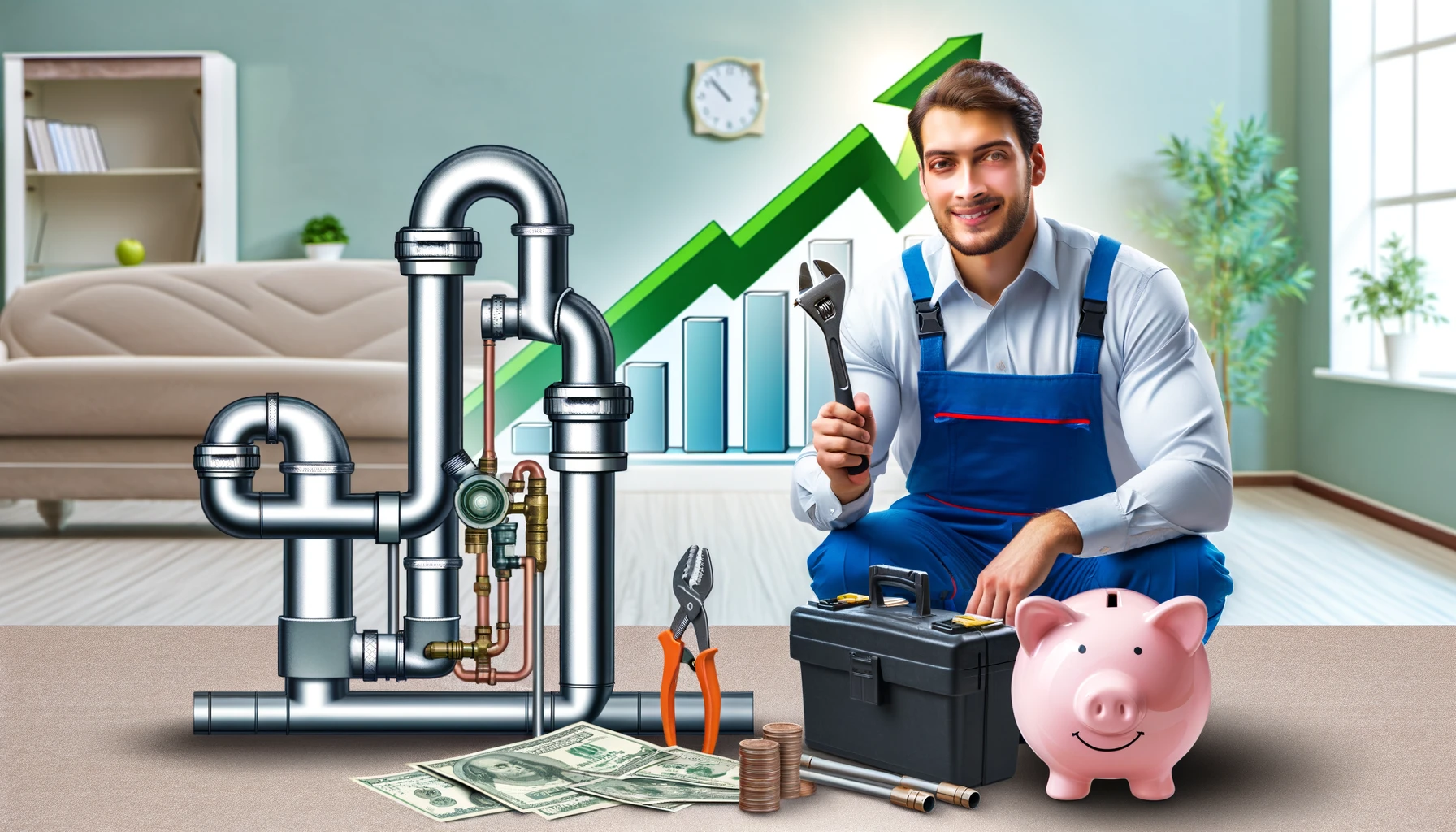
Because of the rapid response requirement, emergency services may cost more than standard plumbing appointments. However, the higher cost is justified by the availability, speed, and urgency of the service. In many cases, paying for emergency plumbing actually saves money in the long run by preventing major damage and expensive repairs.
When You Should Call an Emergency Plumber
Knowing when to call an emergency plumber can save you from unnecessary damage and expense. You should contact one immediately if you notice uncontrolled water leakage, flooding inside your home, or a burst pipe. A sudden loss of water supply across the entire property is also a strong indicator of a serious plumbing issue.
If sewage starts backing up into sinks, toilets, or drains, it should always be treated as an emergency due to the health risks involved. Similarly, if a water heater starts leaking heavily or stops functioning completely during extreme weather, immediate attention is required. Even if you are unsure whether the issue is serious, it is always safer to call a professional for advice rather than waiting for the problem to worsen.
Preventing Plumbing Emergencies Before They Happen
While not all plumbing emergencies can be avoided, regular maintenance can significantly reduce the risk. Checking pipes for leaks, cleaning drains periodically, and servicing water heaters can help detect problems early before they become serious. Installing pressure regulators and insulating pipes in colder regions can also prevent burst pipes.
It is also helpful for homeowners to know where the main water shut-off valve is located. In an emergency, turning off the water supply quickly can reduce damage before the plumber arrives. Small preventive steps like these can make a major difference in protecting your property.
When selecting an emergency plumber, reliability and response time are extremely important. A good emergency plumbing service should be available 24/7 and capable of reaching your location quickly. Experienced professionals with proper licensing and tools are better equipped to handle urgent repairs efficiently.
It is also beneficial to choose a plumber who has experience dealing with different types of emergencies. This ensures they can diagnose problems accurately and provide effective solutions under pressure. Customer reviews and service reputation can also help you identify trustworthy emergency plumbing providers.
Conclusion
Plumbing emergencies can happen without warning and often require immediate action to prevent serious damage. Whether it is a burst pipe, blocked drain, or overflowing toilet, quick response is essential to protect your property and reduce repair costs. An emergency plumber plays a crucial role in handling these situations efficiently by providing fast diagnosis, immediate repairs, and professional support at any time of the day or night.
By understanding when to call for help and taking preventive measures, homeowners can reduce risks and ensure their plumbing systems remain safe and reliable. Investing in quick access to emergency plumbing services is not just about convenience, it is about protecting your home, health, and long-term financial stability.