



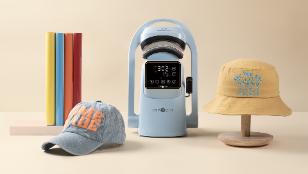
The custom apparel industry continues to shift toward smaller, faster, and more flexible production models. Independent creators, home studios, and small print shops are now looking for equipment that supports steady daily workflows without adding unnecessary maintenance stress.
That shift is one reason the D2 DTF Printer is gaining attention among creators searching for a more manageable production setup.Instead of focusing only on technical performance, many users are noticing something else about the D2 — the way its design choices support real-world printing situations.
From small order batches to weekend downtime, the printer is built around practical use rather than complicated operation.
Here are six design-focused details that make the D2 stand out in everyday production environments.
1. A Workflow Designed for Small Businesses, Not Large Factories
Many printing systems are designed around nonstop production. That sounds impressive, but it does not reflect how most small businesses actually work.
Small apparel shops often deal with:
- Uneven order flow
- Weekend breaks
- Limited workspace
- Solo production schedules
The D2 DTF Printer is built with this type of workflow in mind. It supports creators who print smaller daily volumes but still need reliable output when orders suddenly increase.
For home studios and startup brands, that kind of balance matters more than industrial-level complexity.
You can explore the HTVRONT DTF Printer Collection to see how these systems are positioned for growing apparel businesses.
2. Less Stress After Idle Time
One of the biggest frustrations in DTF printing happens after the printer sits unused. Many creators know the feeling of coming back after a weekend break only to spend the next hour troubleshooting.The D2 focuses heavily on reducing that type of interruption.
This matters in real-world situations:
- Etsy stores with inconsistent orders
- TikTok sellers handling seasonal demand
- Side businesses operating only a few days a week
Instead of turning maintenance into a daily routine, the setup is designed to help creators get back to production faster.
3. Stability Matters More Than Raw Speed
Speed sounds attractive in marketing, but small businesses usually care more about consistency.If a printer stops during production or creates repeated errors, even a fast machine becomes expensive. Lost film, wasted ink, and reprints quickly reduce profits.
The D2 is designed around smoother day-to-day operation. That stability becomes valuable during:
- Team shirt production
- Local event merchandise
- Small clothing drops
- Evening order fulfillment sessions
For small creators, fewer interruptions often matter more than maximum output numbers.
4. Built-In Safeguards Support Solo Workflows
Most small businesses are multitasking constantly. Printing rarely happens in isolation.
A creator may be:
- Printing transfers
- Packing orders
- Replying to customer messages
- Updating product listings
During busy periods, small issues can easily go unnoticed until materials are wasted.
The D2 includes workflow-focused safeguards designed to help users catch potential problems earlier. This becomes especially useful for creators managing production alone without a dedicated team watching every step.
5. Easier Learning for First-Time DTF Users
Many creators moving into DTF printing come from vinyl or sublimation backgrounds. They already understand design and customization, but industrial-style printing systems can still feel intimidating. The D2 aims to simplify that transition.
Instead of overwhelming users with a complicated learning curve, the system is designed to feel more approachable for beginners.
That makes it easier for:
- Small businesses training new helpers
- Family-run shops
- First-time DTF users
When equipment feels easier to understand, production becomes less stressful and more consistent.
6. Reliable Output Works Better with the Right Finishing Setup
Printing is only one part of the workflow. The final transfer stage matters just as much. Even a clean design can fail if the application process is inconsistent.
That is why many creators pair the D2 with a dependable heat press setup. Stable heat and pressure help maintain clean transfers and reduce the risk of wasted garments.
For small businesses handling custom apparel, consistency across every order matters more than flashy production numbers.
Why the “DTF Printer Game Changer: 6 Design Secrets of the D2 You Probably Didn’t Know” Discussion Is Growing
The phrase DTF Printer Game Changer: 6 Design Secrets of the D2 You Probably Didn’t Know is becoming popular because creators are paying more attention to workflow quality, not just print quality.
Small businesses want:
- Less downtime
- Easier learning
- Better reliability
- Smoother daily production
The D2 fits into that conversation because it focuses on realistic business needs instead of unnecessary complexity.
Final Thoughts
The D2 DTF Printer is designed for creators who want production to feel manageable. It supports smaller apparel businesses, home studios, and independent brands that need steady results without constant maintenance attention.
When paired with a reliable heat press, the workflow becomes easier to control from start to finish. That combination helps creators focus less on troubleshooting and more on growing their business.
And that is exactly why many small brands now see the D2 as a practical step forward in modern apparel printing.