



A roof is one of the most essential components of any structure, yet it is often overlooked until a serious issue arises. Many homeowners and property managers tend to focus on visible elements such as walls, interiors, or landscaping, while the roof quietly endures exposure to weather, temperature changes, and environmental stress. Over time, even the most durable roofing systems can develop issues that, if left undetected, may lead to costly repairs or structural damage. This is why regular roof inspections play a critical role in maintaining the integrity, safety, and value of a property.
Understanding the importance of evaluating your roof regularly can save significant time, money, and stress. It is not just about fixing problems after they appear; it is about preventing them from occurring in the first place. A proactive approach ensures that minor issues are identified early and addressed before they escalate into major complications.
Why Regular Roof Maintenance Matters
A roof is constantly exposed to external elements such as sunlight, rain, wind, and debris. Over time, these factors contribute to wear and tear. Even high-quality materials are not immune to gradual deterioration. Small cracks, loose shingles, or clogged drainage systems may seem insignificant initially, but they can quickly evolve into serious problems like leaks, mold growth, or structural weakening.
Regular maintenance is essential to extend the lifespan of a roof. By conducting periodic checks, property owners can identify potential vulnerabilities and take corrective action. This not only helps in preserving the structural integrity of the building but also enhances energy efficiency by preventing heat loss or moisture infiltration.Moreover, consistent upkeep ensures compliance with warranty requirements. Many roofing warranties become void if proper maintenance is not performed, making it even more crucial to stay vigilant.
Key Benefits of Conducting Roof Inspections
One of the primary advantages of scheduling routine roof inspections is early problem detection. Identifying issues at an early stage allows for quick and cost-effective solutions. For instance, repairing a minor leak is far less expensive than replacing an entire section of the roof due to water damage.
Another significant benefit is improved safety. A compromised roof can pose serious risks, including potential collapse or falling debris. Regular assessments help ensure that the structure remains secure for occupants and visitors.Energy efficiency is another important factor. A well-maintained roof contributes to proper insulation, reducing the need for excessive heating or cooling. This results in lower energy bills and a more comfortable indoor environment.Additionally, regular evaluations can increase property value. A well-maintained roof is a strong selling point for potential buyers, as it reflects responsible ownership and reduces the likelihood of future expenses.
Common Issues Identified During Roof Evaluations
During roof inspections, professionals often encounter a range of common problems. One of the most frequent issues is damaged or missing shingles. Shingles can become loose or break due to strong winds, heavy rain, or aging materials.
Another common problem is water leakage. Leaks may occur due to cracks, poor sealing, or damaged flashing around vents and chimneys. If not addressed promptly, water infiltration can lead to mold growth and structural damage.
Clogged gutters and drainage systems are also frequently observed. When debris accumulates, it prevents proper water flow, causing water to pool on the roof. This can accelerate deterioration and increase the risk of leaks.Structural sagging is a more serious issue that may indicate underlying damage. This could be caused by prolonged water exposure, weakened support structures, or excessive weight from debris or snow.Additionally, issues with ventilation can impact the overall health of the roof. Poor ventilation can trap heat and moisture, leading to faster material degradation and reduced energy efficiency.
When Should Roof Inspections Be Conducted
Timing plays a crucial role in maintaining a roof effectively. Ideally, inspections should be conducted at least twice a year, typically during transitional seasons such as spring and autumn. These periods allow property owners to assess any damage caused by extreme weather conditions and prepare for upcoming seasonal changes.
In addition to routine checks, it is important to schedule inspections after major weather events. Storms, heavy rainfall, or strong winds can cause sudden damage that may not be immediately visible. Prompt evaluation ensures that any issues are identified and addressed before they worsen.New property owners should also consider conducting an inspection before finalizing a purchase. This helps in identifying existing problems and negotiating repairs or pricing accordingly.
Professional vs. DIY Roof Evaluation
While some property owners may choose to inspect their roofs themselves, it is important to understand the limitations of a DIY approach. Basic visual checks can help identify obvious issues such as missing shingles or debris accumulation. However, many problems require a trained eye and specialized equipment to detect.
Professional inspectors bring expertise and experience to the process. They are trained to identify subtle signs of damage that may go unnoticed by an untrained individual. Additionally, they can provide detailed reports and recommendations for necessary repairs or maintenance.Safety is another important consideration. Climbing onto a roof can be hazardous, especially without proper equipment or experience. Hiring a professional reduces the risk of accidents and ensures a thorough evaluation.
The Process of a Thorough Roof Inspection
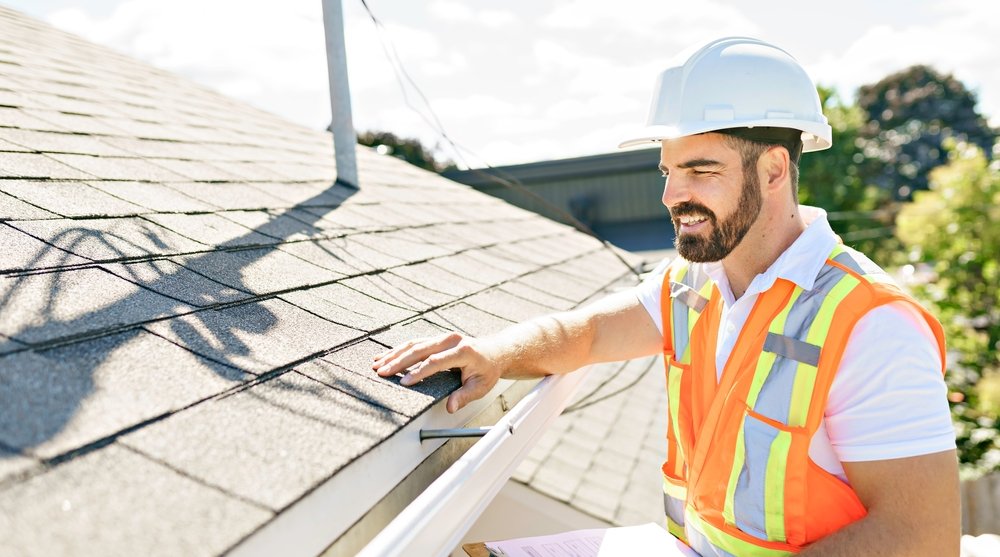
A comprehensive inspection typically involves several steps. The process begins with an exterior assessment, where the inspector examines the overall condition of the roof surface. This includes checking for damaged shingles, cracks, and signs of wear.
The next step involves evaluating structural components. Inspectors look for signs of sagging, uneven surfaces, or weakened support systems. They also assess the condition of flashing, vents, and chimneys to ensure proper sealing and functionality.Interior inspection is equally important. Inspectors check the attic or ceiling for signs of water damage, mold, or poor ventilation. This helps in identifying issues that may not be visible from the outside.Finally, a detailed report is prepared, outlining the findings and recommended actions. This report serves as a valuable reference for property owners, helping them prioritize repairs and plan maintenance effectively.
Long-Term Cost Savings Through Preventive Care
Investing in regular roof inspections may seem like an additional expense, but it actually leads to significant cost savings in the long run. Preventive maintenance helps avoid major repairs that can be financially burdensome.
For example, addressing minor issues such as small leaks or loose shingles can prevent extensive water damage that may require costly structural repairs. Similarly, maintaining proper ventilation and insulation can reduce energy consumption, resulting in lower utility bills.Insurance benefits are another factor to consider. Many insurance providers require proof of regular maintenance to process claims. Having documented inspections can streamline the claims process and ensure coverage in case of damage.
Extending the Lifespan of Your Roof
Every roof has a finite lifespan, but proper care can significantly extend its durability. Regular maintenance, timely repairs, and consistent monitoring contribute to long-term performance.
Different roofing materials have varying lifespans, but all benefit from proactive care. Whether it is asphalt shingles, metal roofing, or tiles, routine inspections help ensure that the materials remain in optimal condition.By addressing issues early and maintaining the roof consistently, property owners can delay the need for a complete replacement. This not only saves money but also reduces environmental impact by minimizing waste.
Final Thoughts on Maintaining a Strong and Reliable Roof
A well-maintained roof is essential for the safety, comfort, and value of any property. Ignoring its condition can lead to serious consequences, including structural damage, health risks, and financial strain.
By prioritizing regular roof inspections, property owners can take a proactive approach to maintenance and ensure long-term reliability. From identifying minor issues to preventing major repairs, inspections serve as a vital tool in preserving the integrity of a building.
Ultimately, the key to a durable and efficient roof lies in consistent care and attention. Whether through professional services or routine checks, staying vigilant ensures that your roof continues to provide protection and peace of mind for years to come.