




Water intrusion in a basement is one of the most frustrating and potentially damaging problems a property owner can face. Whether it arrives suddenly after a heavy storm or gradually seeps in through unnoticed cracks, water in a basement can compromise structural integrity, ruin belongings, and create an environment for mold growth. Understanding how to handle the situation effectively is essential, not just for immediate recovery but also for long-term protection.
This comprehensive guide explores the causes, consequences, and solutions related to basement water issues. It also explains how proper basement water cleanup plays a critical role in maintaining a safe, dry, and healthy living environment.
Understanding Why Basements Are Vulnerable to Water
Basements are naturally more susceptible to water intrusion than other parts of a building. Being located below ground level means they are constantly exposed to surrounding soil, which can retain moisture. When that moisture accumulates or pressure builds up, water finds its way into the basement through the path of least resistance.Several factors contribute to this vulnerability. Poor drainage systems, clogged gutters, or improper grading around a property can direct water toward the foundation rather than away from it. Cracks in walls or floors, aging waterproofing materials, and hydrostatic pressure from saturated soil further increase the risk.In many cases, water problems begin subtly. A faint musty odor, slight discoloration on walls, or damp spots on the floor may not seem alarming at first. However, these are often early warning signs that should not be ignored.
The Immediate Impact of Water Intrusion
When water enters a basement, the damage can escalate quickly. Porous materials like wood, drywall, and insulation absorb moisture, weakening their structure. Electrical systems may become hazardous, and valuable items stored in the basement can be permanently damaged.
One of the most serious consequences is mold growth. Mold thrives in damp, dark environments and can begin developing within 24 to 48 hours after water exposure. Once it spreads, it can affect air quality throughout the entire property, potentially causing health issues such as allergies and respiratory problems.This is why timely and efficient basement water cleanup is essential. Acting quickly not only minimizes structural damage but also reduces the risk of long-term complications.
Step-by-Step Process for Effective Cleanup
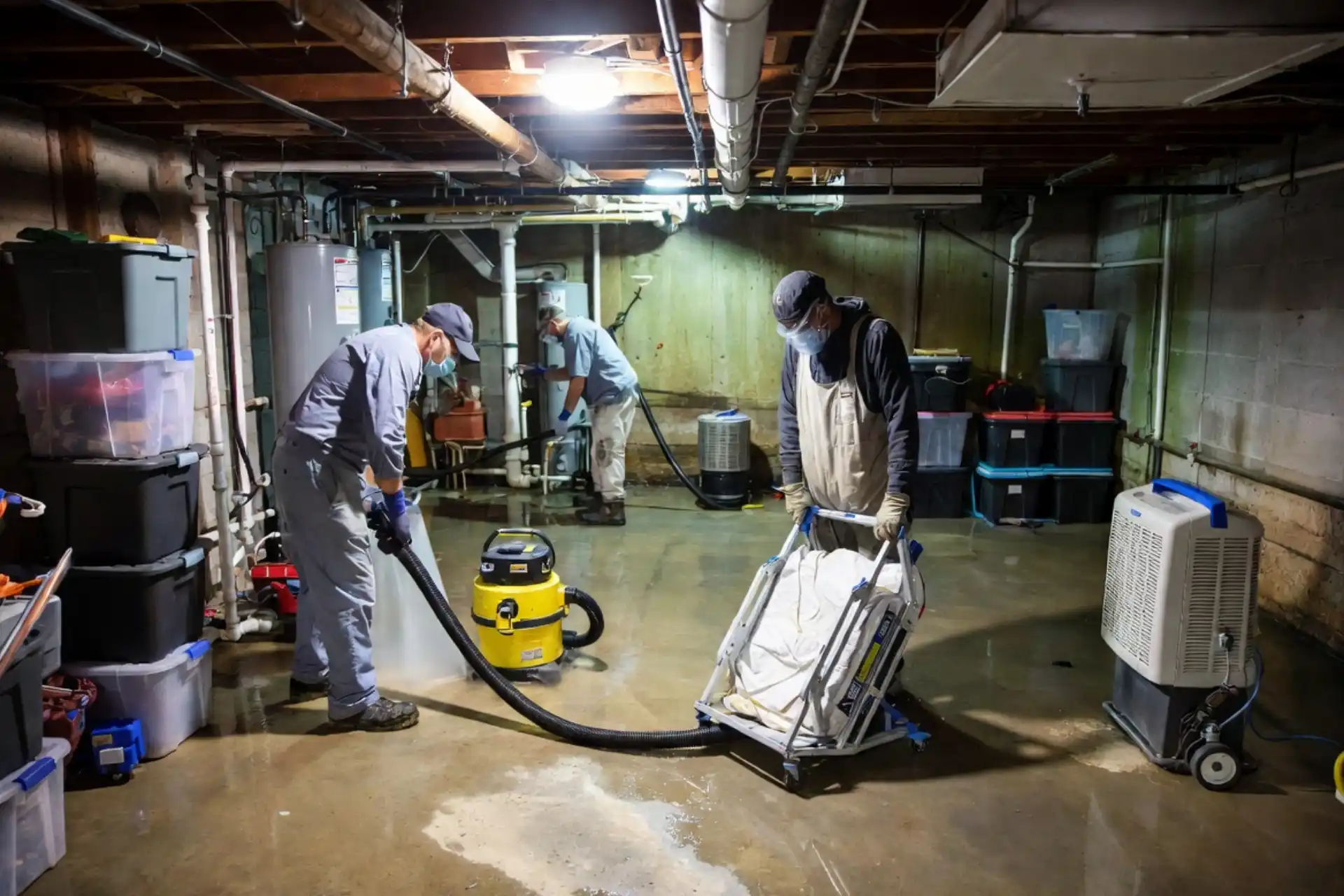
Handling basement water issues requires a systematic approach. Skipping steps or rushing the process can lead to incomplete restoration and recurring problems.Ensuring Safety First. Before addressing any water damage, safety must be the top priority. If there is standing water, it is important to turn off electricity to the affected area to prevent the risk of shock. Protective gear such as gloves, boots, and masks should be worn to avoid exposure to contaminants.Identifying the Source.Understanding where the water is coming from is crucial. It could be due to surface runoff, plumbing leaks, or groundwater seepage. Without addressing the root cause, cleanup efforts may only provide temporary relief.Removing Standing Water.Water extraction is the next step. Depending on the severity, this may involve pumps, wet vacuums, or professional-grade equipment. The goal is to remove as much water as possible in the shortest amount of time.Drying and DehumidifyingAfter water removal, the affected area must be thoroughly dried. This includes walls, floors, and any items that have absorbed moisture. High-powered fans and dehumidifiers are often used to accelerate the process and prevent mold growth.Cleaning and Disinfecting.Water intrusion can introduce bacteria, especially if it originates from outside or from sewage backups. Cleaning and disinfecting all affected surfaces is essential to ensure a safe environment.Repair and RestorationOnce the area is clean and dry, damaged materials may need to be repaired or replaced. This could include drywall, flooring, insulation, or even structural components.
A well-executed basement water cleanup process ensures that the space is not only restored but also protected against future issues.
Common Mistakes to Avoid
While dealing with basement water problems, certain mistakes can make the situation worse. One common error is underestimating the extent of the damage. Water can seep into hidden areas, and failing to address these can lead to mold growth later.
Another mistake is delaying action. Waiting too long to begin cleanup allows moisture to spread and increases repair costs. Additionally, relying solely on surface drying methods without addressing humidity levels can leave residual moisture behind.Improper disposal of damaged materials is also a concern. Items that cannot be salvaged should be removed promptly to prevent contamination.
Preventive Measures for Long-Term Protection
Prevention is always more effective than repair. Taking proactive steps can significantly reduce the likelihood of basement water problems.Ensuring that water flows away from the foundation is essential. This can be achieved by maintaining clean gutters, extending downspouts, and grading the soil properly.Inspecting the foundation regularly and sealing any cracks helps prevent water from entering. Waterproof sealants and coatings can add an extra layer of protection.A sump pump is a valuable tool for managing groundwater. It collects excess water and pumps it away from the basement, reducing the risk of flooding.
Maintaining proper humidity levels helps prevent condensation and mold growth. A dehumidifier can be particularly useful in areas prone to dampness.Routine inspections of plumbing systems, drainage systems, and the foundation can help identify potential issues before they become serious problems.By combining these measures with proper basement water cleanup practices, property owners can maintain a dry and secure basement environment.
The Role of Professional Services
While minor water issues can sometimes be handled independently, more severe cases often require professional assistance. Experts have access to advanced equipment and techniques that ensure thorough water removal, drying, and restoration.
Professional services also provide a more accurate assessment of damage. They can identify hidden moisture, assess structural integrity, and recommend appropriate repairs. Additionally, they follow industry standards for cleaning and sanitization, ensuring a safe and healthy environment.Hiring professionals can save time and reduce stress, especially in situations involving extensive damage or contamination.
Protecting Your Belongings
Basements are often used for storage, making them particularly vulnerable during water incidents. Protecting belongings requires both preventive measures and careful handling during cleanup.Storing items in waterproof containers, elevating them off the floor, and avoiding direct contact with walls can reduce the risk of damage. In the event of water intrusion, items should be removed, cleaned, and dried as quickly as possible.
Certain materials, such as paper, fabric, and untreated wood, may be difficult to salvage once saturated. Prioritizing valuable and irreplaceable items during cleanup can help minimize losses.Water damage is not just a structural issue; it also has significant health implications. Mold spores, bacteria, and other contaminants can spread through the air, affecting indoor air quality.Symptoms such as coughing, sneezing, skin irritation, and headaches may indicate exposure to mold or contaminated environments. Individuals with allergies, asthma, or weakened immune systems are particularly vulnerable.
Ensuring proper cleaning, drying, and ventilation is essential to maintaining a healthy living space. In cases of severe contamination, professional remediation may be necessary.
Resilience Against Future Incidents
Dealing with basement water cleanup issues can be overwhelming, but it also provides an opportunity to build resilience. Learning from past incidents and implementing improvements can prevent similar problems in the future.
Upgrading waterproofing systems, improving drainage infrastructure, and investing in quality materials can make a significant difference. Additionally, creating an emergency plan ensures that you are prepared to respond quickly if water intrusion occurs again.Preparedness not only reduces damage but also provides peace of mind.
Conclusion
Water in the basement is a problem that demands immediate attention and careful handling. From understanding the causes to implementing effective solutions, every step plays a role in protecting your property and health.
A thorough and timely approach to basement water cleanup is essential for minimizing damage and preventing long-term issues. By combining proper cleanup techniques with preventive measures, property owners can maintain a safe, dry, and durable basement environment.
Ultimately, the key lies in vigilance, preparation, and informed action. Addressing water problems promptly and effectively ensures that your basement remains a functional and secure part of your property for years to come.