




A building’s plumbing system is one of its most critical infrastructures, yet it is often overlooked until serious problems begin to appear. Water supply lines age over time, and as they deteriorate, they can cause leaks, reduced water pressure, discoloration, and even structural damage to a property. When these issues become frequent or severe, a long-term solution is often required rather than repeated temporary repairs. This is where repiping becomes essential. It involves replacing old or damaged pipes with new, durable materials to restore the efficiency, safety, and reliability of the entire plumbing system.
Repiping is not just a repair job; it is a comprehensive upgrade of a building’s water distribution network. It ensures that clean water flows efficiently throughout the property while eliminating the risks associated with aging or corroded pipes. Although it may seem like a major undertaking, it is often the most cost-effective solution in the long run because it prevents continuous leaks, water damage, and recurring maintenance expenses.
Understanding the Need for Repiping
Over time, plumbing systems naturally deteriorate due to constant exposure to water pressure, temperature changes, and mineral buildup. Older buildings often contain pipes made from materials such as galvanized steel or copper, which can corrode or develop internal scaling after years of use. As corrosion builds up, it restricts water flow, leading to reduced pressure and inconsistent water supply.
One of the most common signs that a plumbing system needs attention is frequent leaks. Small leaks may initially seem manageable, but they often indicate deeper structural issues within the piping system. Discolored water is another warning sign, often caused by rust or sediment breaking off from the interior of aging pipes. In some cases, homeowners may also notice unusual tastes or odors in their water supply.
Repiping becomes necessary when these issues become persistent and widespread. Instead of continuously repairing individual sections of pipe, replacing the entire system ensures long-term reliability and eliminates the root cause of the problem.
Materials Used in Modern Repiping Projects
Modern repiping projects typically use advanced materials designed for durability, safety, and efficiency. The most common options include PEX (cross-linked polyethylene), copper, and CPVC (chlorinated polyvinyl chloride).
PEX piping has become increasingly popular due to its flexibility, resistance to corrosion, and ease of installation. It can withstand temperature fluctuations and is less likely to burst under pressure compared to older materials. Copper piping, on the other hand, is known for its long lifespan and strong resistance to bacteria, making it a reliable but more expensive option. CPVC is another cost-effective choice that offers good resistance to heat and chemical degradation.
The selection of material depends on factors such as budget, building structure, water quality, and long-term maintenance expectations. Professional plumbers evaluate these conditions before recommending the most suitable option for a specific property.
The Repiping Process Explained
Repiping is a detailed and systematic process that requires careful planning and execution. It begins with a thorough inspection of the existing plumbing system. This helps identify problem areas, assess the extent of damage, and determine the most efficient replacement strategy.
Once the assessment is complete, a detailed plan is created outlining which sections of piping need replacement and how the new system will be installed. In many cases, walls or ceilings may need to be accessed to reach hidden pipes. However, modern techniques have significantly reduced the level of disruption compared to older methods.
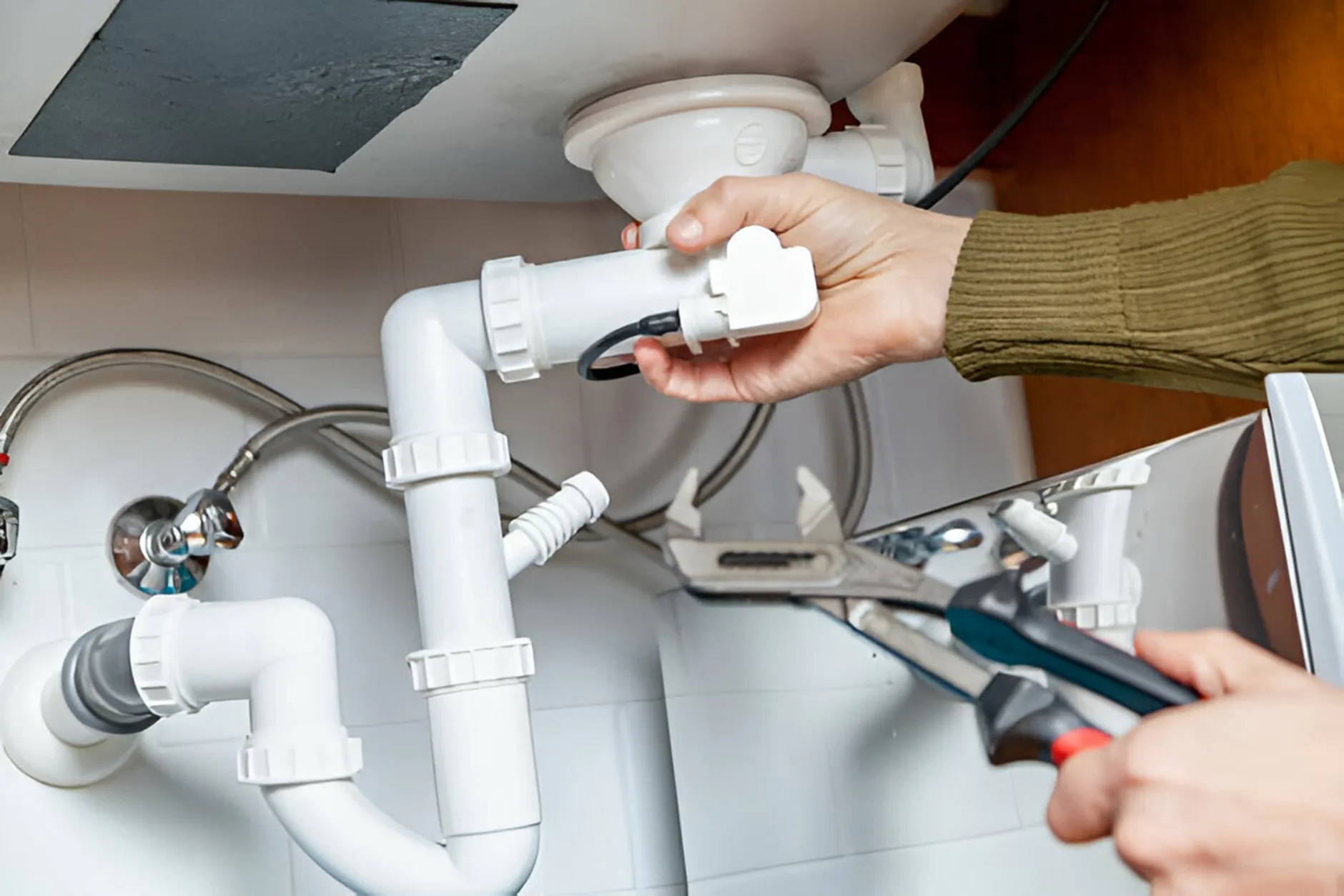
During installation, old pipes are carefully removed and replaced with new ones, ensuring proper alignment and secure connections. Once the new system is installed, it undergoes pressure testing to ensure there are no leaks and that water flows efficiently throughout the building.
After testing, any openings made during the process are repaired, restoring the property to its original condition. The final step involves flushing the system to remove any debris and ensure clean water circulation.
Benefits of Repiping for Long-Term Property Health
One of the most significant benefits of repiping is improved water quality. Old pipes often release rust, sediment, and other contaminants into the water supply. By replacing them with new materials, homeowners can enjoy cleaner, safer water.
Another major advantage is consistent water pressure. Aging pipes often develop blockages or internal narrowing that restricts flow. New piping systems restore full pressure, improving the performance of showers, faucets, and appliances.
Repiping also reduces the risk of water damage. Leaks from old pipes can lead to mold growth, structural deterioration, and costly repairs. By eliminating weak points in the plumbing system, repiping protects the overall integrity of the building.
Energy and water efficiency also improve after repiping. Modern piping systems are designed to minimize waste and ensure smooth flow, reducing unnecessary water consumption and utility costs over time.
Common Problems That Indicate the Need for Repiping
Several warning signs indicate that a plumbing system may require full replacement rather than minor repairs. Frequent leaks are one of the most obvious indicators. If leaks continue to occur in different areas of the property, it often suggests that the entire system is deteriorating.
Low water pressure is another common issue. This can result from mineral buildup inside pipes or internal corrosion restricting flow. Discolored water, particularly with a brown or reddish tint, is a clear sign of rusting pipes.
Unusual noises in the plumbing system, such as banging or rattling, may also indicate structural issues within the pipes. Additionally, if a building is over several decades old and still has its original plumbing system, repiping is often recommended as a preventive measure.
The Role of Professional Expertise in Repiping
Repiping is a complex task that requires technical expertise and careful execution. Professional plumbers bring the necessary experience to assess the condition of the plumbing system, choose appropriate materials, and carry out installation safely and efficiently.
Improper installation can lead to long-term issues such as leaks, pressure imbalance, or premature pipe failure. This is why relying on skilled professionals is essential for ensuring a successful outcome.
In many ways, the importance of professional support in plumbing is similar to other technical systems that require precision and maintenance. For example, just as hvac services use specialized knowledge to maintain indoor climate systems, repiping requires trained professionals to ensure water systems function efficiently and safely.
Modern Techniques and Advancements in Repiping
Advancements in plumbing technology have significantly improved the efficiency and quality of repiping projects. Modern tools allow for minimally invasive installation techniques, reducing the need for extensive demolition.
Trenchless methods, for example, allow pipes to be replaced with minimal disruption to walls and flooring. Flexible piping materials like PEX have also simplified installation, reducing labor time and overall project costs.
Digital inspection tools such as pipe cameras help technicians identify issues with precision, allowing for more accurate planning and execution. These innovations have made repiping faster, more efficient, and less disruptive than traditional methods.
Cost Considerations and Long-Term Value
While repiping may seem like a significant investment, it offers substantial long-term value. Continuous repairs to an aging plumbing system can quickly become more expensive than a full replacement. Additionally, water damage from leaks can lead to costly structural repairs and mold remediation.
A newly repiped system reduces maintenance costs, improves efficiency, and increases property value. For homeowners planning to sell their property in the future, a modern plumbing system is a strong selling point.
Proper planning and material selection also help control costs. Professional plumbers can provide detailed estimates and recommend solutions that balance affordability with long-term durability.
Maintenance After Repiping
Even after a successful repiping project, regular maintenance remains important for ensuring long-term performance. Routine inspections help identify potential issues early, while periodic cleaning prevents buildup inside pipes.
Homeowners should also monitor water quality and pressure to ensure the system continues to function properly. Any sudden changes should be addressed promptly to avoid larger problems.Preventive care extends the lifespan of the new plumbing system and ensures consistent performance over time. Just like other essential systems in a building that require ongoing attention, such as hvac services used for climate control, plumbing systems also benefit from regular maintenance and professional inspections.
Conclusion
Repiping is a critical investment in the long-term health, safety, and efficiency of a building’s plumbing system. By replacing old, deteriorating pipes with modern materials, property owners can eliminate leaks, improve water quality, and enhance overall system performance.
Although the process requires careful planning and professional execution, the benefits far outweigh the initial costs. Improved water flow, reduced maintenance expenses, and increased property value make repiping a highly valuable upgrade.
With advancements in technology and professional expertise, modern repiping projects are more efficient and less disruptive than ever before. When handled correctly, repiping ensures a reliable water supply system that supports comfort, safety, and long-term sustainability for years to come.